Travel doesn’t have to drain your wallet to be meaningful. With a few simple adjustments, there are small travel habits that save you hundreds every year without cutting back on the experience itself. From smarter booking choices to how you pack, eat, and move around, these practical changes can make a big financial difference over time. The secret isn’t in skipping what you love—it’s about knowing where small decisions quietly add up to major savings.
With these easy-to-follow habits, traveling becomes both budget-friendly and rewarding. Whether planning short getaways or long adventures, these mindful strategies help stretch every dollar further. So, rethink how you plan, spend, and explore—and discover how smart habits can make every trip more affordable and stress-free.

Book Flights on the Right Day and Time

Airfare prices move a lot during the week, so timing your search matters. Check fares on multiple days, especially midweek, and compare early morning versus late night departures. Turn on fare alerts for your routes so you catch drops without constant checking. Be flexible with airports too. A nearby secondary airport can be cheaper once you factor in ground transport. Clear your cookies or use incognito to avoid price bumps tied to repeated searches. If your calendar allows, look at flying one day earlier or later to unlock lower brackets.
Use a Refillable Water Bottle

Buying water at airports, train stations, and tourist spots can drain your budget quickly. Pack an empty reusable bottle in your personal bag and refill it after security at fountains or hydration stations. Many cities also have public taps, hotel lobbies, and museums where staff will happily help with a refill. On the plane, ask for water during service and top up your bottle for later. If you like flavored drinks, carry electrolyte tablets or powdered mixes to add taste without paying kiosk prices. This simple habit keeps you hydrated, reduces plastic waste, and saves a few dollars every single day you travel.
Pack Snacks Instead of Buying Airport Food

Airport and attraction food is marked up heavily, and lines are long during peak hours. Packing snacks at home or from a local supermarket controls cost and ingredients. Choose items that travel well, like nuts, granola bars, dried fruit, hard pretzels, or sandwiches wrapped tightly in foil. If you need something fresh, pack apple slices or firm cheese in a small container. Keep snacks in an easy-to-reach pocket so you do not dig through your bag at the gate. During delays, you avoid overpriced meals and keep your energy steady. Repeat this on every leg of your trip and the savings add up fast.
Join Loyalty Programs Early

Airline, hotel, and car rental programs are free to join and can quietly stack value over time. Even if you travel a few times a year, points and small perks like late checkout or bonus Wi-Fi vouchers can reduce costs. Sign up before booking so your reservations earn credit from day one. Save member numbers in your phone and autofill profiles to avoid missing earnings. Watch promo emails for multiplier periods or partner deals with dining and shopping portals. If you prefer one brand, concentrate your stays or flights there to reach entry-level status sooner.
Use Public Transportation Over Taxis

Taxis and rideshares are convenient but can eat a big part of your budget, especially from airports. Before you go, check the city’s official transit site for airport trains, express buses, and day passes. Many routes run frequently, take similar time during rush hour, and cost a fraction of a cab. Download offline maps and note the stop near your hotel so transfers are simple. If you arrive late, look for fixed-rate shuttles. For groups, compare two transit passes versus one rideshare to see the real savings.
Book Stays with Free Breakfast or Kitchen Access

Meals can quietly become one of the biggest travel expenses, so where you stay matters. Choosing accommodation that includes breakfast or has a kitchenette saves money without extra effort. A small morning buffet can cover both breakfast and a snack for later, while having a kitchen lets you prepare light dinners with groceries instead of eating out every night. Even basic setups with a microwave or mini-fridge help you store leftovers or drinks. When comparing hotels or rentals, check the fine print to see what’s included.
Want to save this?
Travel with a Carry-On Only

Checked baggage fees can add up quickly, and waiting at baggage claim wastes time. Learning to pack efficiently in a carry-on helps you avoid both costs and delays. Use packing cubes or compression bags to organize clothes and save space. Choose versatile outfits that mix and match, and wear heavier items like jackets on the plane. A compact toiletry kit with travel-size liquids keeps security smooth. Traveling light also means you can switch transport easily, move through crowds faster, and keep an eye on all your belongings. Once you get used to this routine, you’ll find trips less stressful and noticeably cheaper.
Avoid Currency Exchange Counters at Airports

Airport exchange booths often have poor rates and hidden commissions that eat into your budget. Instead, withdraw cash from local ATMs, which usually give fairer rates. Use a debit or travel card that has low or no foreign transaction fees for an even better deal. Check your bank’s network before leaving so you can locate partner ATMs with minimal fees. Withdraw a modest amount of local cash for small vendors and use cards for larger purchases. Avoid exchanging large sums at once; it’s safer to take out smaller amounts as needed. Over time, skipping exchange counters can save you the equivalent of a nice meal or attraction ticket.
Download Maps and Translation Apps Offline

Roaming charges pile up fast when traveling abroad. Downloading offline maps and translation tools before departure saves data and stress. Apps like Google Maps let you select specific regions for offline use, so you can still navigate streets and find restaurants without an internet connection. Pair that with a translation app that stores key phrases offline, helping you communicate even if your signal drops. Store hotel directions, bus routes, and local emergency numbers in the same folder. Doing this prep while you still have Wi-Fi avoids costly roaming fees and keeps you confident when moving around unfamiliar areas.
Walk or Rent Bikes When Possible
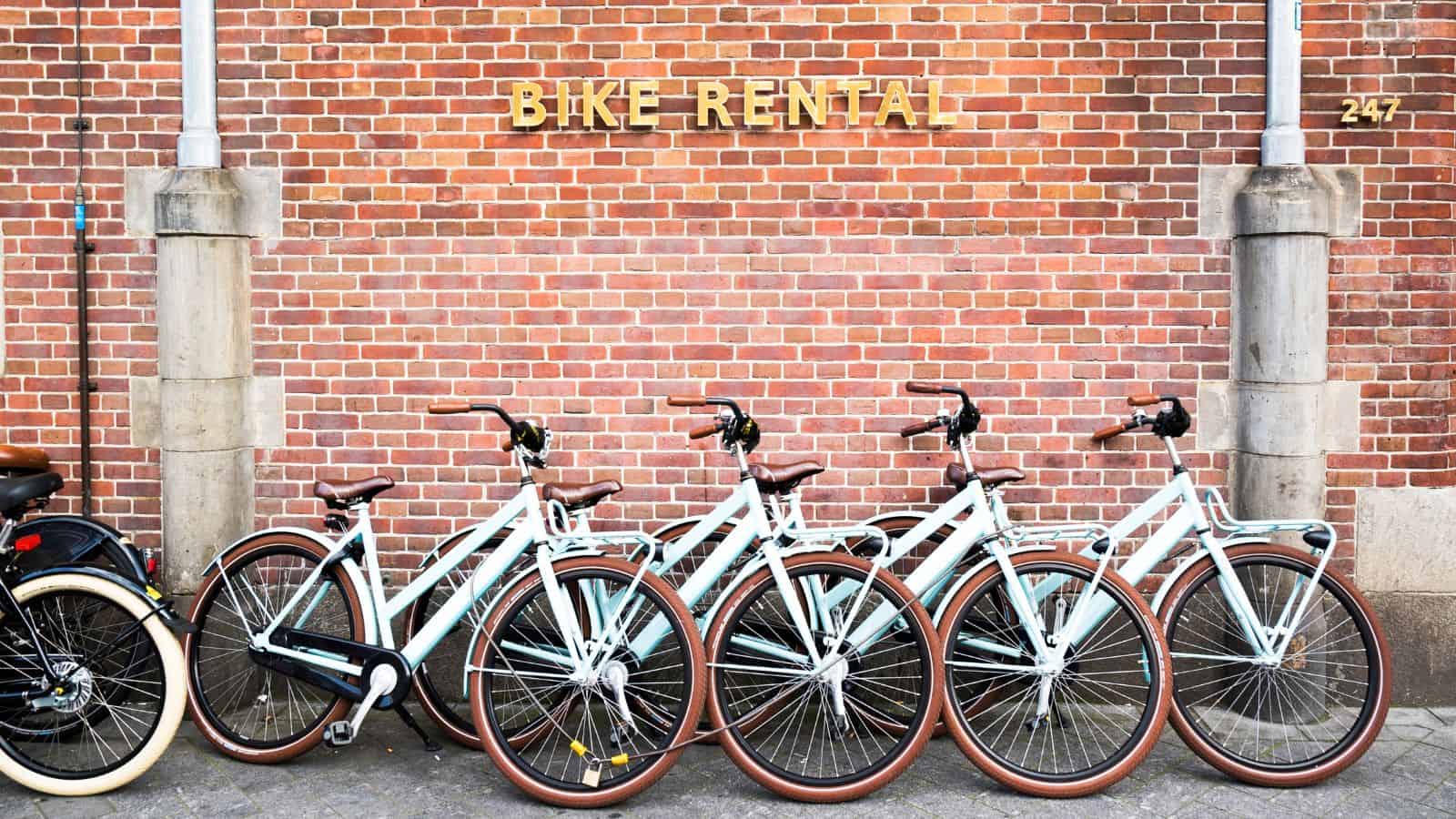
Many cities are built for exploring on foot or by bike, yet travelers still default to short taxis or public transport. Walking or cycling helps you see more of the local scenery while keeping your budget intact. Rent a city bike or electric scooter for a few hours instead of paying for multiple short rides. Many towns have affordable daily passes or app-based rentals that let you unlock and go anytime. Walking tours also reveal spots you might miss when zipping by in a car. Beyond the savings, it helps you adjust to new time zones and adds a little movement between long travel days.
Set a Daily Spending Limit
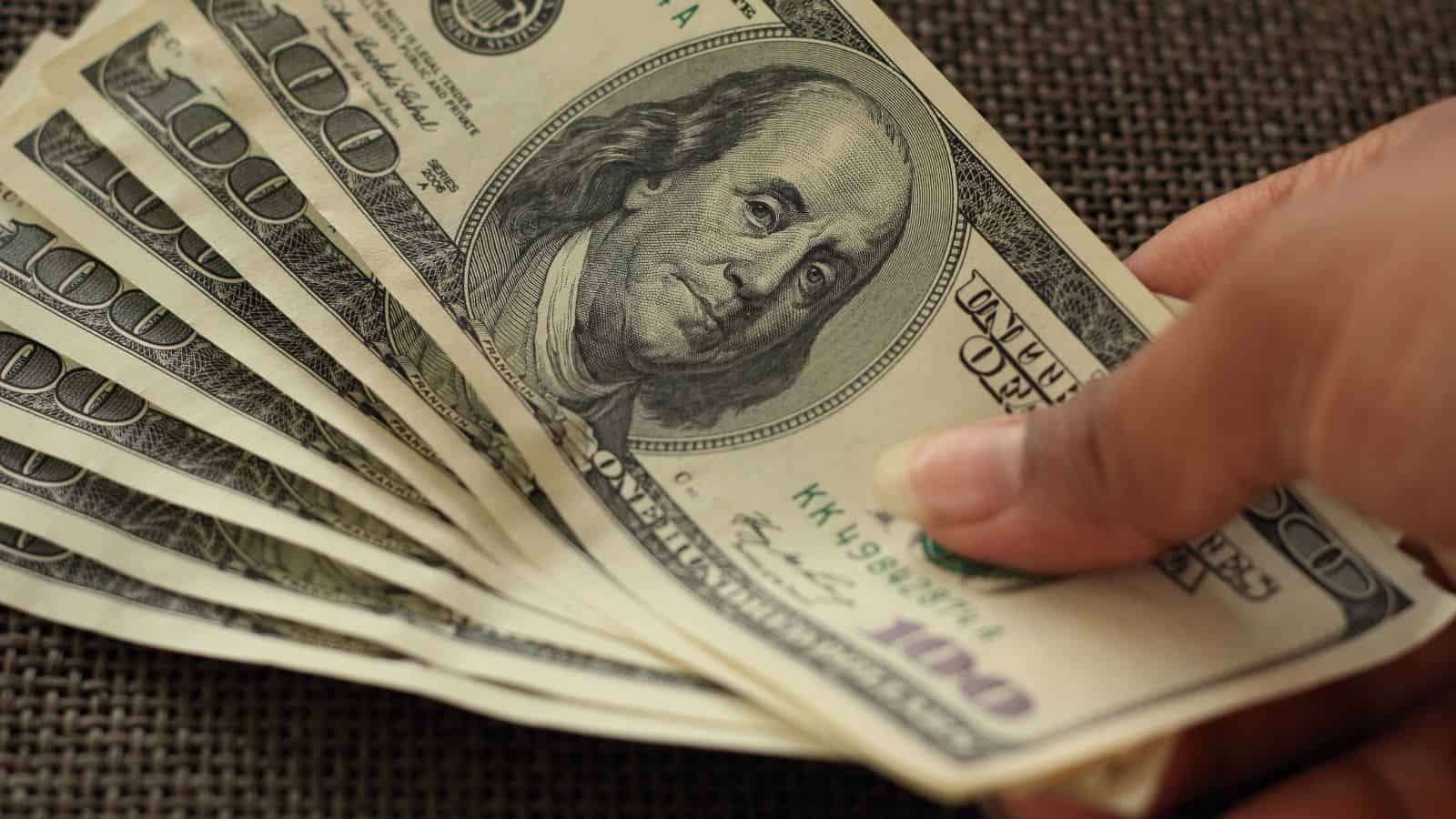
Without a plan, small purchases quickly snowball during a trip. Setting a daily spending limit helps you stay mindful of where your money goes. Use a notes app, spreadsheet, or budget tracker to record every expense—meals, transport, souvenirs, and entry fees. Start each day knowing your target amount and adjust for higher-cost days like tours or transfers. If you underspend one day, you can use the extra for treats later without guilt. Tracking costs also helps you spot habits like overpaying for snacks or transport. Staying aware keeps your trip enjoyable and your finances steady once you’re back home.
9 Extravagant Cruise Experiences That'll Make You Swear Off Airports

Have you heard about these cruises? Cruising has become a popular alternative to traditional travel, and there are 9 extravagant cruise experiences that'll make you swear off airports. These remarkable trips offer a blend of luxury, adventure, and relaxation that can transform the way travelers think about vacations. From lavish accommodations to unique onboard activities, cruises provide an all-inclusive experience that often surpasses the hustle and bustle of flying.
Read More Here: 9 Extravagant Cruise Experiences That'll Make You Swear Off Airports
15 Surprise Expenses That Make Your Cruise Cost Twice as Much as Expected

Take note of these stuff if you're planning to go on a cruise! Planning a cruise can be exciting, but there are 15 surprise expenses that make your cruise cost twice as much as expected. Many travelers focus on the initial cost of the trip, often overlooking the additional fees that can quickly add up. From dining options to onboard activities, these unexpected costs can turn a budget-friendly vacation into a financial headache.
Read More Here: 15 Surprise Expenses That Make Your Cruise Cost Twice as Much as Expected