Travel plans can feel overwhelming, especially when timing plays a big role in cost, crowds, and weather. Here are 11 destinations that line up well with seasonal conditions, festivals, and better travel value. These spots are picked to help travelers avoid peak chaos while still enjoying what each place is known for.
Early 2026 is a smart window to explore somewhere new without the stress of packed airports and inflated prices. With these places, planning feels simpler and more focused. Take a look, note what fits your schedule, and start planning a trip that feels well-timed and worth the effort.

Kyoto, Japan

Early 2026 places Kyoto in its quiet winter rhythm. January and February bring fewer visitors, which makes it easier to move through historic districts, temple grounds, and residential neighborhoods without congestion. Seasonal conditions highlight architecture, gardens, and stone pathways in a more reflective setting. Transit continues to run efficiently, and shops, rail lines, and cultural sites remain active year-round. Winter festivals and limited-time exhibitions appear across the city, adding cultural context without crowd pressure. Travel costs often sit lower than peak spring periods, especially for lodging. This timing works well for travelers who value pacing, observation, and structured days rather than packed schedules.
Cape Town, South Africa

Early 2026 aligns with Cape Town’s late summer season, when daylight stretches longer and outdoor plans remain reliable. Coastal areas, mountain routes, and nearby wine regions stay accessible, making it easy to build a varied itinerary without rushing. Beaches, city viewpoints, and surrounding nature reserves operate at full capacity, while infrastructure supports tourism smoothly. Seasonal produce markets, art spaces, and waterfront districts stay active without the holiday surge seen in December. Flights from Europe and the Americas remain frequent during this period. This window fits travelers looking to balance urban exploration with natural scenery while keeping weather-related disruptions low.
Patagonia (Chile & Argentina)
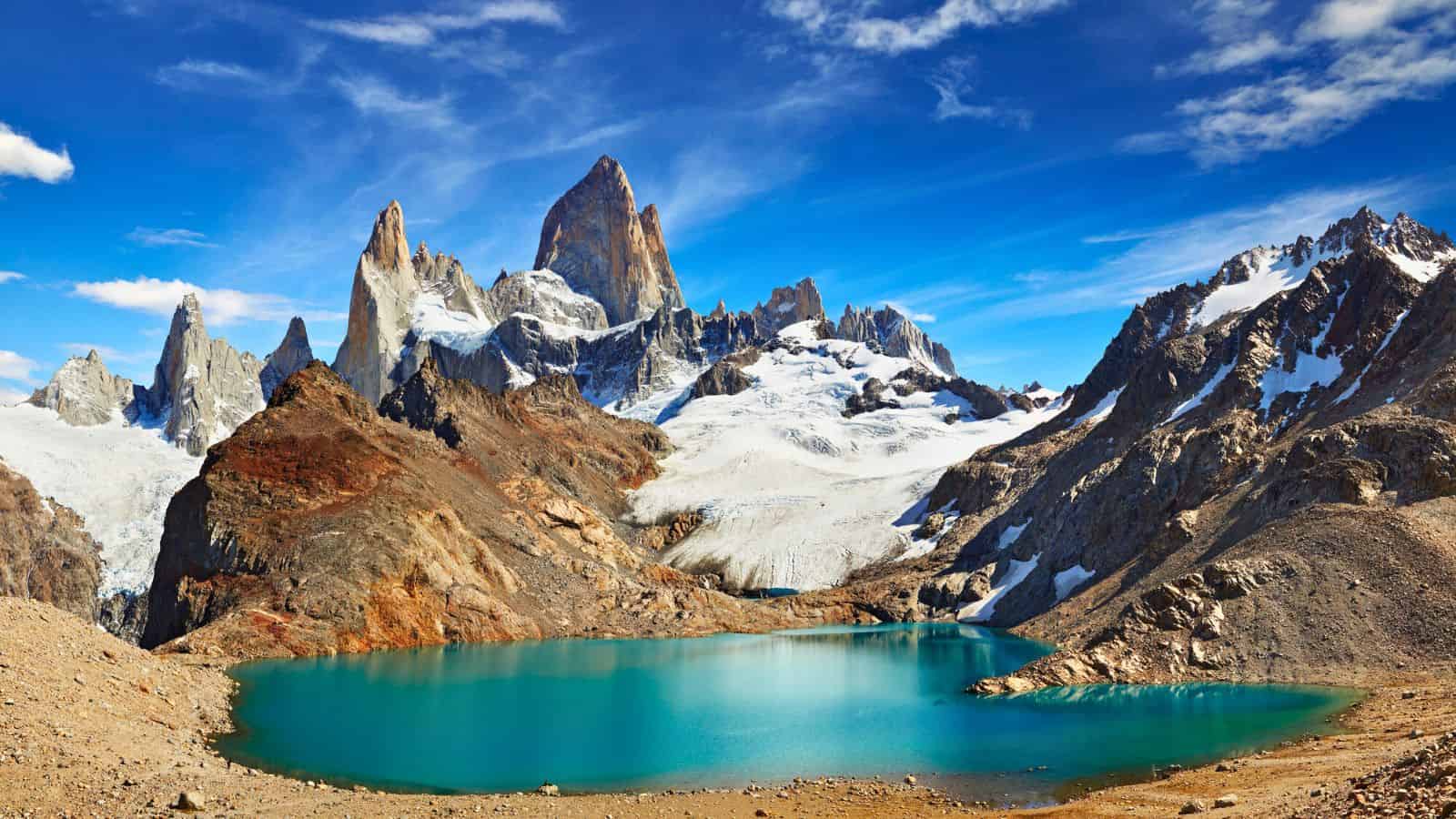
January through early March marks Patagonia’s most practical travel window. Trails in Torres del Paine and Los Glaciares stay open, ferry crossings operate consistently, and daylight hours extend far into the evening. Weather remains comparatively stable, which is critical in a region known for rapid shifts. Early 2026 supports multi-day hikes, scenic drives, and glacier viewpoints without winter closures. Lodges, camps, and transport networks run at full scale, making logistics manageable even for first-time visitors. While demand is higher than off-season months, planning ahead keeps costs and availability predictable. This period works best for travelers prioritizing landscapes and long-distance movement.
Lisbon, Portugal

Lisbon in early 2026 benefits from mild winter conditions that support walking-heavy days across hills, viewpoints, and historic quarters. Public transport remains efficient, and ferry routes across the Tagus continue without interruption. Compared with spring and summer, visitor density drops noticeably, especially in Alfama, Baixa, and Belém. Cultural venues, museums, and music spaces maintain full schedules, making the city feel active without pressure. Seasonal pricing on accommodations stays more manageable, and restaurant access becomes easier without reservations far in advance. This timing suits travelers who want extended time exploring neighborhoods, architecture, and daily routines rather than fast-paced sightseeing.
Morocco (Marrakech & the Sahara)
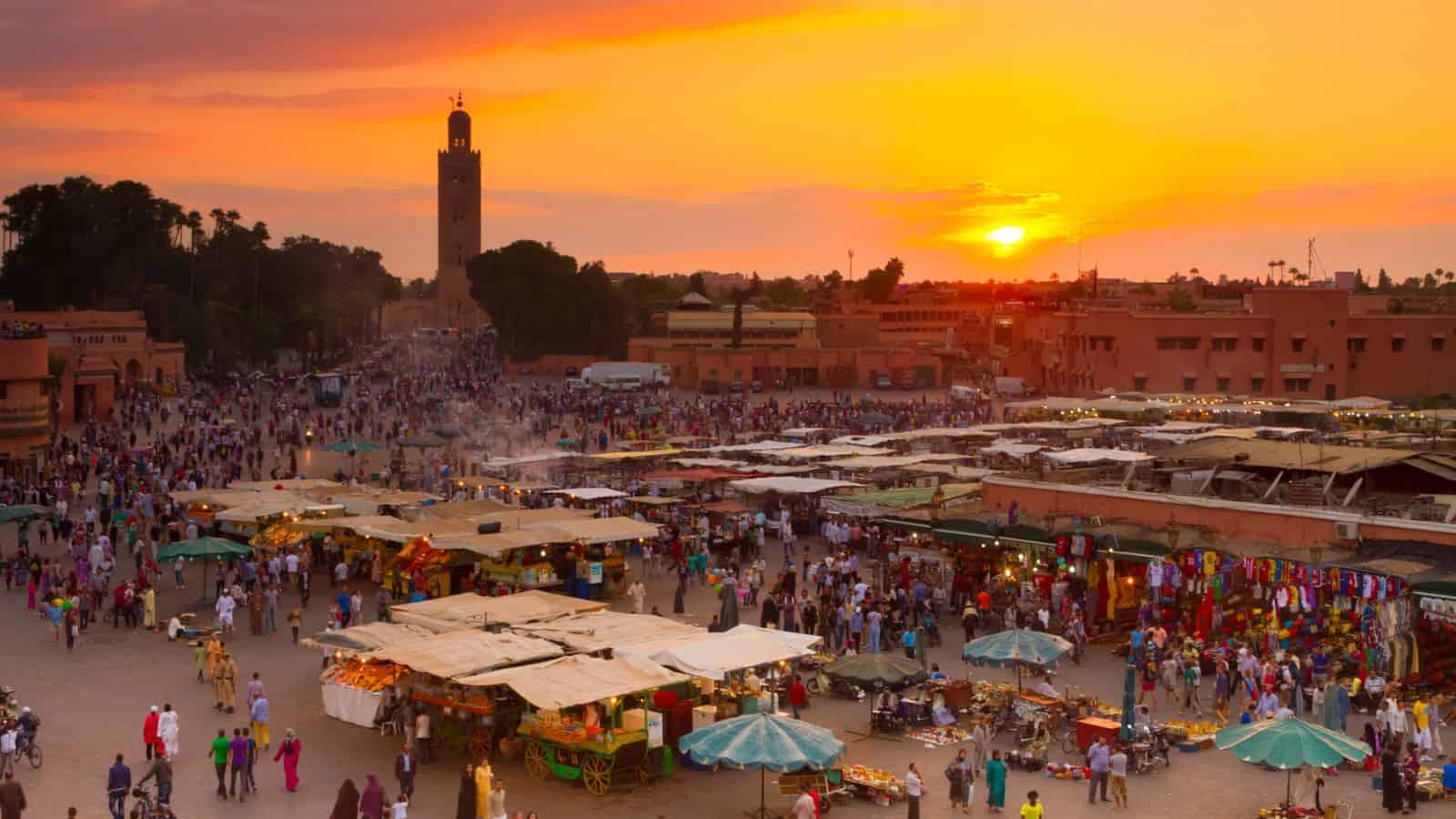
Early 2026 aligns with Morocco’s most workable travel season, particularly for inland cities and desert routes. Daytime temperatures allow movement through medinas, souks, and historical sites without heat-related strain. Desert excursions from Marrakech or Ouarzazate become realistic, as nights remain cool but manageable with standard gear. Road conditions stay reliable, and guided routes operate at full capacity during this period. Cultural calendars include markets, music events, and regional gatherings that add context to travel days. Early-year timing also reduces weather risks seen later in spring. This window fits travelers planning both city stays and extended journeys beyond major hubs.
South Island, New Zealand
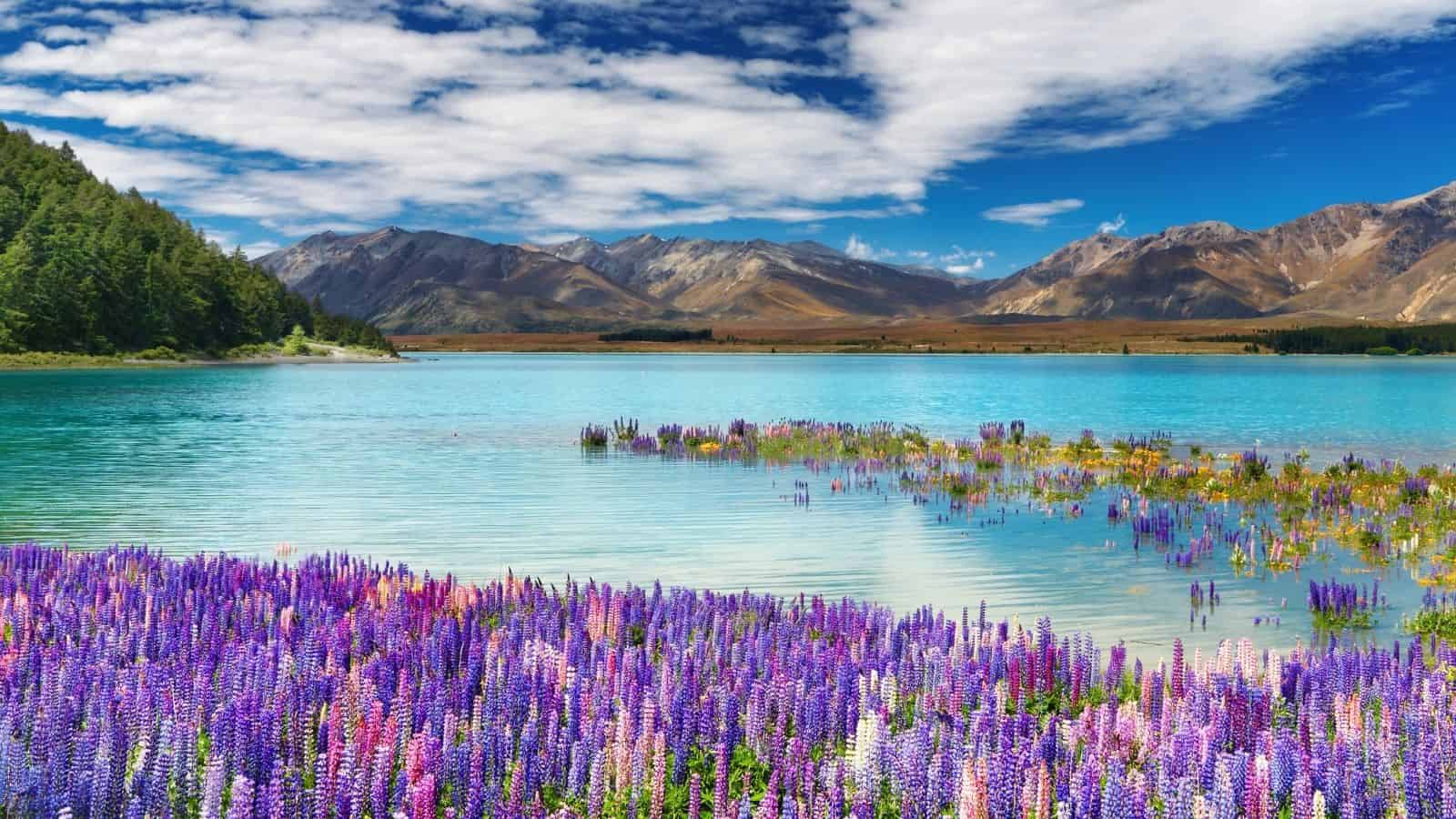
Early 2026 falls during late summer on New Zealand’s South Island, a period known for stable access across mountain passes, lakes, and rural highways. Hiking routes, scenic drives, and alpine towns remain fully open, making it easier to connect distant regions without weather-related detours. Daylight hours stay long, supporting flexible schedules and extended outdoor plans. Popular areas like Queenstown, Wanaka, and Aoraki/Mount Cook function smoothly with seasonal services still running. While visitor numbers remain steady, they taper slightly after peak holiday weeks. This timing works well for travelers focused on landscapes, self-driven itineraries, and structured exploration without winter road closures or reduced transport links.
Want to save this?
Iceland
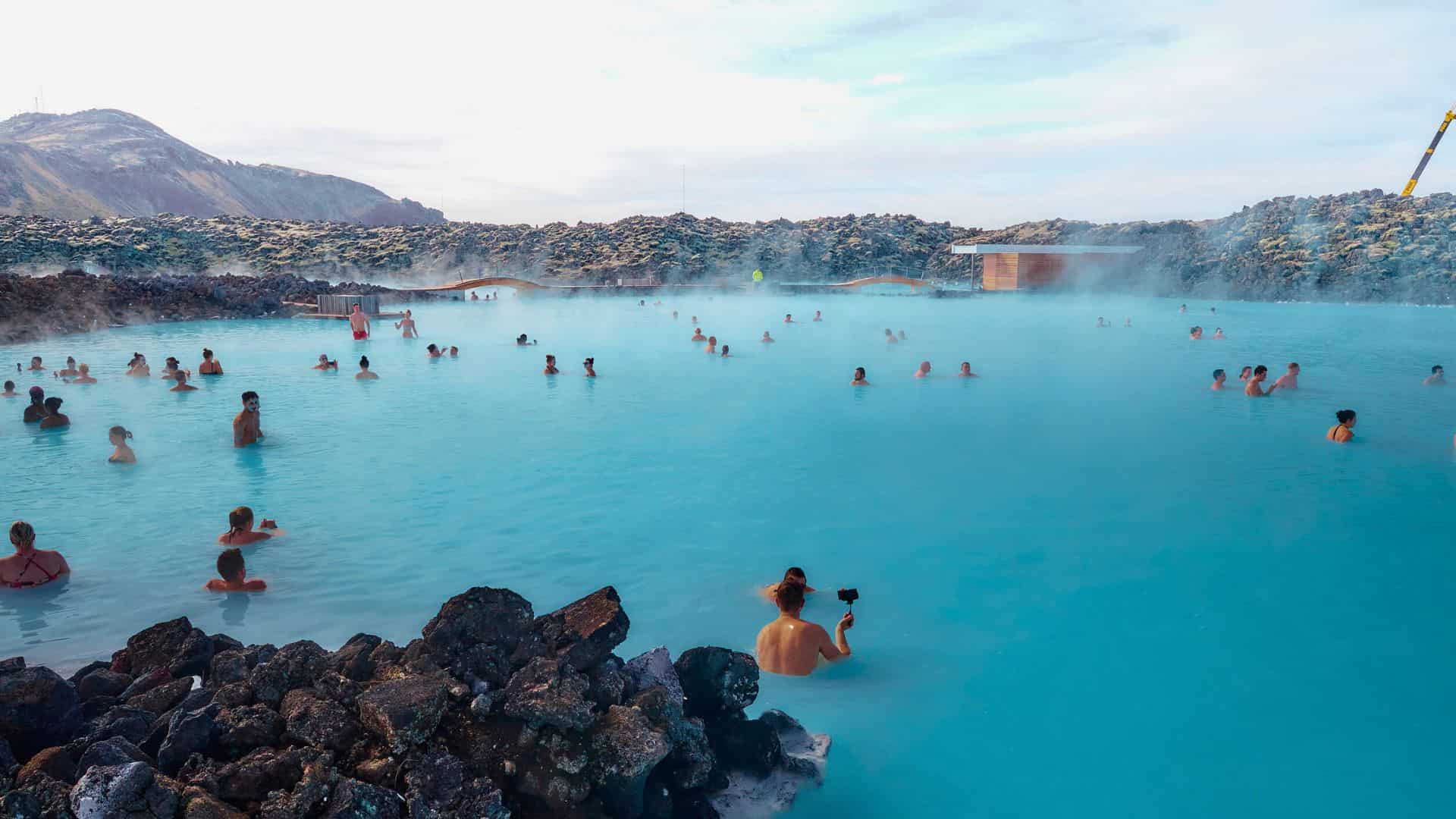
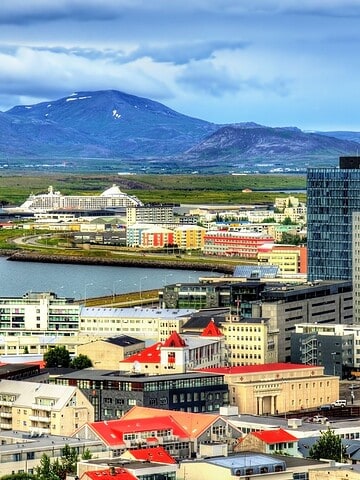
January through early March places Iceland firmly in winter mode, which shapes travel priorities clearly. Snow-covered terrain, frozen waterfalls, and limited daylight define daily planning, but roads and towns remain accessible with preparation. Early 2026 continues northern lights visibility, especially outside Reykjavik, while geothermal pools and cultural venues operate year-round. Tour operators adjust schedules to winter conditions, keeping excursions realistic rather than rushed. Visitor numbers drop compared with summer, allowing quieter access to major landmarks like the Golden Circle. This period suits travelers comfortable with weather awareness and shorter days, especially those drawn to seasonal landscapes and night-sky viewing rather than long-distance driving.
Mexico City, Mexico
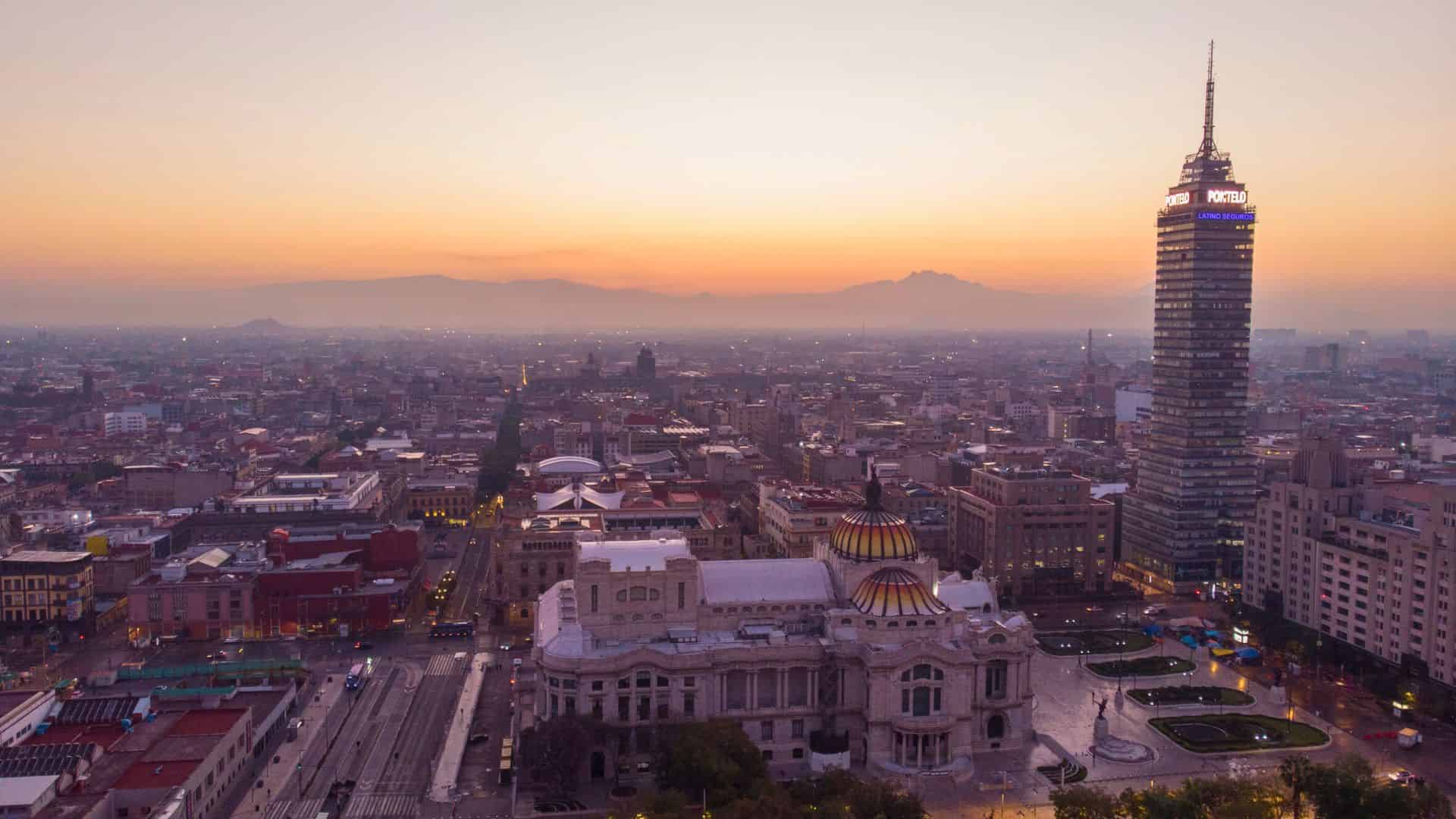
Early 2026 aligns with Mexico City’s dry season, which supports consistent daily movement across neighborhoods, parks, and historic areas. Daytime temperatures stay moderate, making walking and public transport practical for extended hours. Museums, galleries, and cultural institutions follow full schedules after the holiday period, while local routines return to a steady pace. Air quality typically improves compared with later spring months, and rainfall remains low. Flights and accommodations stay more accessible than peak travel periods tied to major festivals. This timing works well for travelers interested in layered history, architecture, and daily urban life without navigating heavy seasonal congestion.
Oaxaca, Mexico

January and February create a calm travel window in Oaxaca following the end of major holiday events. Streets, markets, and surrounding villages return to regular rhythms, which makes movement simpler and interactions more grounded. Weather stays dry and mild, supporting day trips to archaeological sites, mountain towns, and craft regions without transport delays. Cultural institutions and workshops continue operating, while accommodations become easier to secure on shorter notice. Early 2026 allows time to explore both the city and rural surroundings without pressure from peak tourism cycles. This period fits travelers looking for cultural depth, slower pacing, and reliable logistics across varied terrain.
Sri Lanka

Early 2026 brings favorable conditions to Sri Lanka’s southwest coast and central highlands. Beach regions, tea-growing areas, and inland cities remain accessible, allowing diverse routes within a single trip. Roads, rail lines, and domestic flights operate consistently, making cross-country movement manageable. National parks and nature reserves stay open, with visibility conditions generally steady during this period. January and February sit outside the heaviest monsoon patterns for much of the island, reducing schedule disruptions. Visitor numbers remain balanced rather than extreme. This timing supports travelers planning layered itineraries that combine coastal stays, cultural sites, and inland landscapes without frequent weather adjustments.
Buenos Aires, Argentina
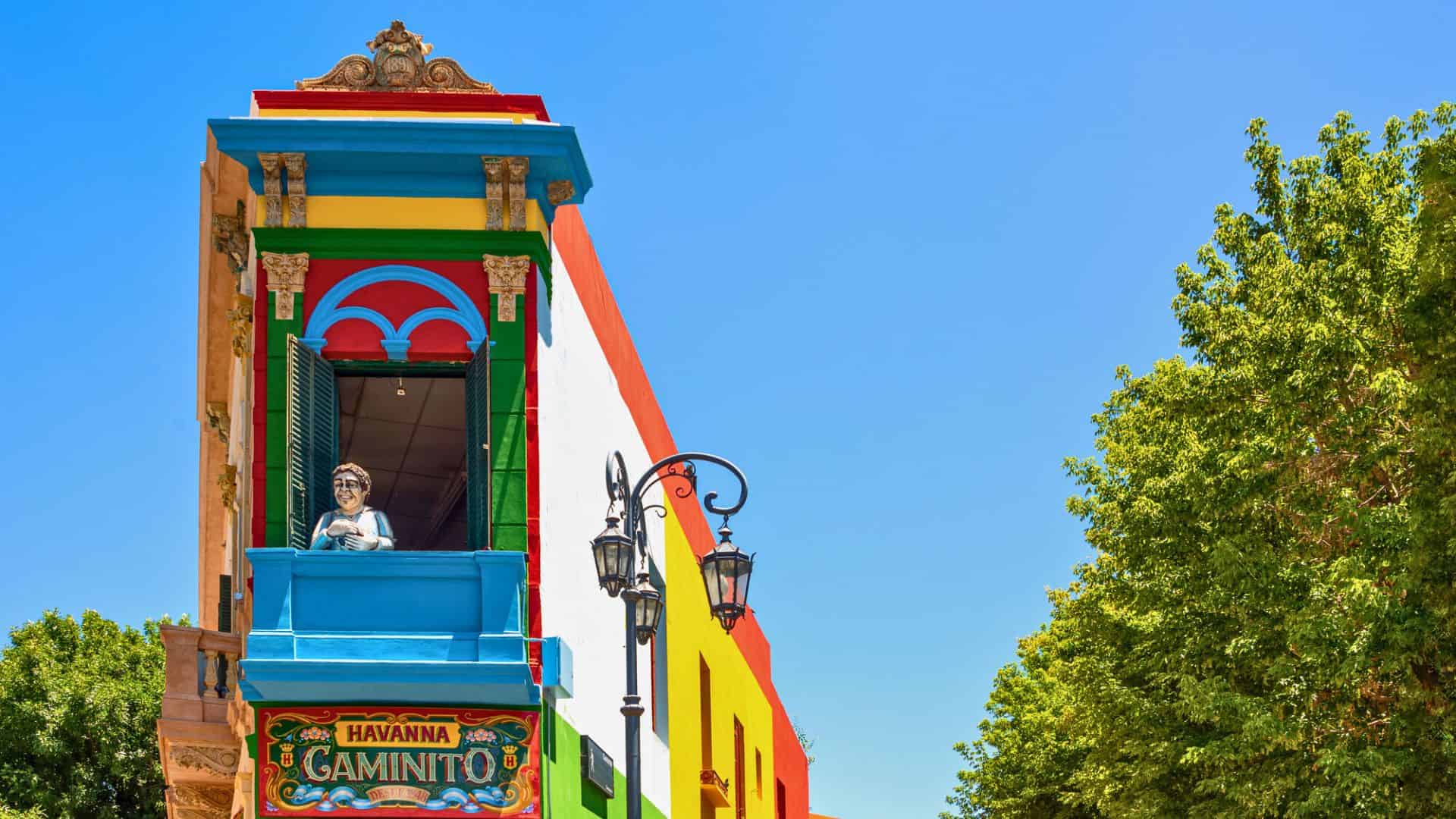
Early 2026 places Buenos Aires in midsummer, when city life extends later into the evening and public spaces stay active. Parks, pedestrian streets, and neighborhood centers become central gathering points, shaping daily routines around outdoor movement. Cultural programming, including music, theater, and exhibitions, continues throughout the season. Transport links within the city and to nearby destinations like the Río de la Plata remain fully operational. While daytime heat requires pacing, schedules adapt easily with earlier mornings and later nights. This period works well for travelers focused on urban exploration, social settings, and regional connections rather than tightly structured daytime agendas.
10 Fall Road Trip Mistakes That Can Ruin Your Getaway

Crisp air, scenic drives, and golden leaves make autumn the perfect time for a getaway. But even with all the excitement, there are fall road trip mistakes that can easily derail the adventure. From poor planning to overlooking seasonal conditions, small missteps can add stress, waste time, and leave travelers unprepared for the challenges that come with the season. Being mindful of what not to do is just as important as knowing what to bring.
Read More Here: 10 Fall Road Trip Mistakes That Can Ruin Your Getaway
11 Scenic U.S. Road Trips That Are Even Better in the Fall
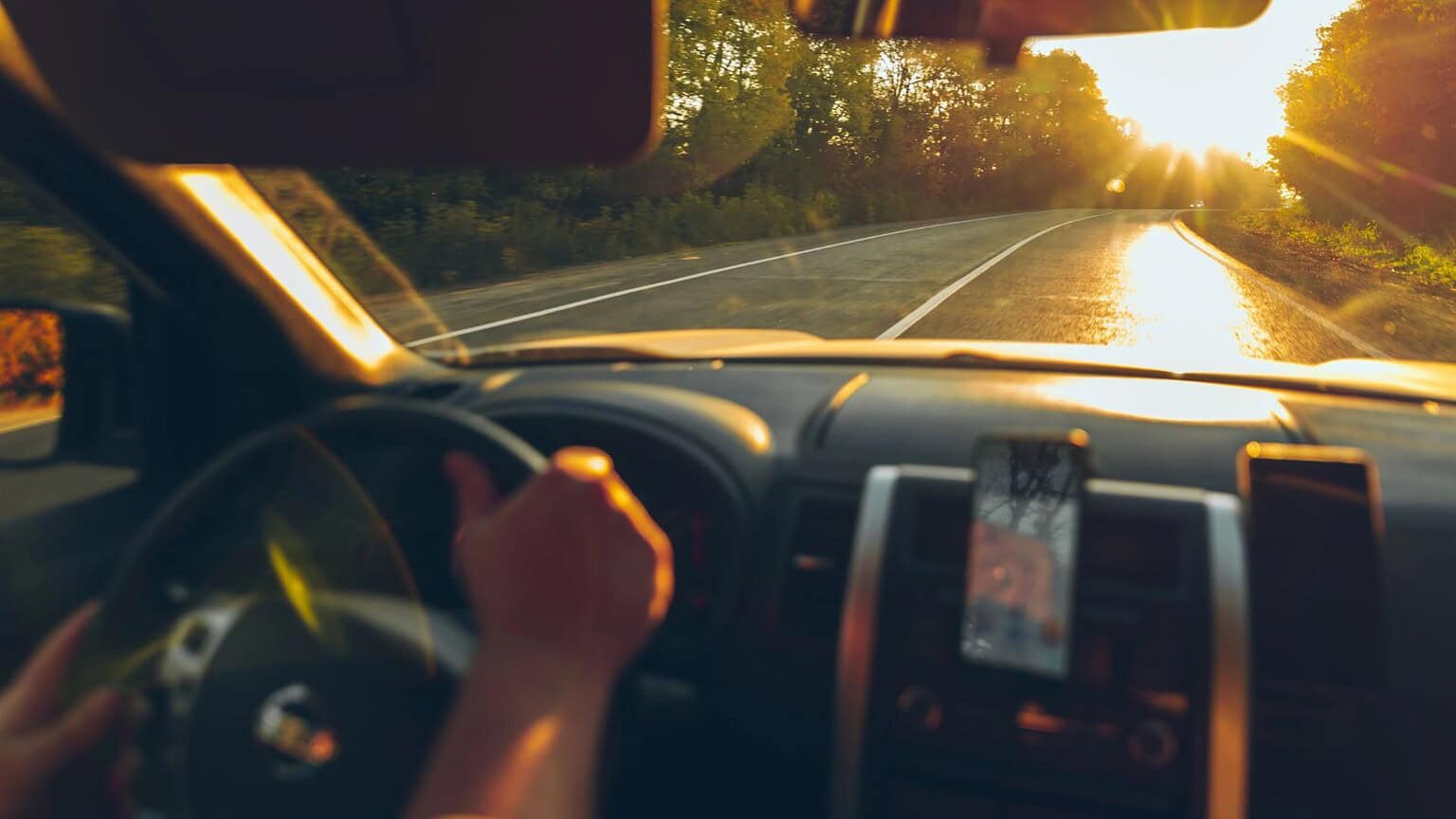
There’s something about autumn that makes hitting the road even more memorable. The crisp air, golden leaves, and quiet charm of the season bring out the best in scenic U.S. road trips. Highways lined with blazing red maples, mountain routes wrapped in fog, and coastal stretches lit by soft autumn light all feel different once the season changes. Beyond the views, fall means lighter traffic, fewer crowds, and a slower pace that lets travelers appreciate every mile.
Read More Here: 11 Scenic U.S. Road Trips That Are Even Better in the Fall