Some popular destinations that are adored year-round can feel overwhelming during the winter months. From crowded tourist spots to cold, unwelcoming weather, certain places simply aren't ideal when the temperatures drop. Travelers seeking a more relaxed and enjoyable experience may want to consider alternatives for their winter vacations.
While these locations may offer charm and beauty at other times of the year, they can feel overrated during the colder months. The crowds, prices, and weather conditions can all detract from what should be an enjoyable getaway. With these insights, it’s easy to make better choices and enjoy a more peaceful and fulfilling vacation.

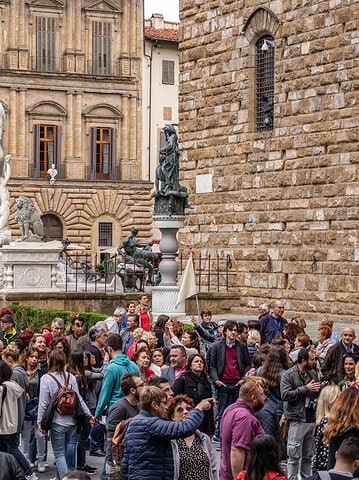
Venice, Italy

Venice may look calm in winter photos, but the actual experience often disappoints travelers. Cold winds move through narrow alleys, while fog hides the canals and softens the scenery that many people look forward to seeing. Acqua alta frequently floods walkways, forcing visitors to navigate raised platforms that slow movement and disrupt plans. Some shops and restaurants shut down for the season, reducing options for food and shopping. Short daylight hours limit wandering and photography. Although Venice always carries historic charm, the winter atmosphere feels heavy and damp. Late spring or autumn gives visitors a far better experience.
Santorini, Greece

Santorini is known for vivid sunsets and bright views, but winter removes much of that magic. Many hotels, cafés, and cliffside restaurants close for the season, leaving limited choices for lodging or dining. The sea becomes too cold and rough for swimming or boating, which cuts out many activities that define the island. Cloudy skies often mute the famous white and blue scenery. The quiet streets can feel empty rather than peaceful, especially in Oia. While the island is pleasant during warmer months, winter leaves many travelers wishing they had visited when the energy and coastal beauty return.
Dubai, UAE

Dubai promotes winter as its prime season, but many travelers feel the trip is overpriced and crowded. Hotel and restaurant rates increase significantly because visitors from colder countries arrive in large numbers. Traffic becomes slow, and popular attractions like the Burj Khalifa, Global Village, and Miracle Garden often have long lines. The weather is cooler, but the air can feel hazy, reducing skyline visibility. Public beaches fill quickly, and weekend crowds at malls create busy indoor spaces. Travelers who want a calmer experience often prefer late spring or early autumn, when prices drop and movement around the city feels easier.
Reykjavik, Iceland
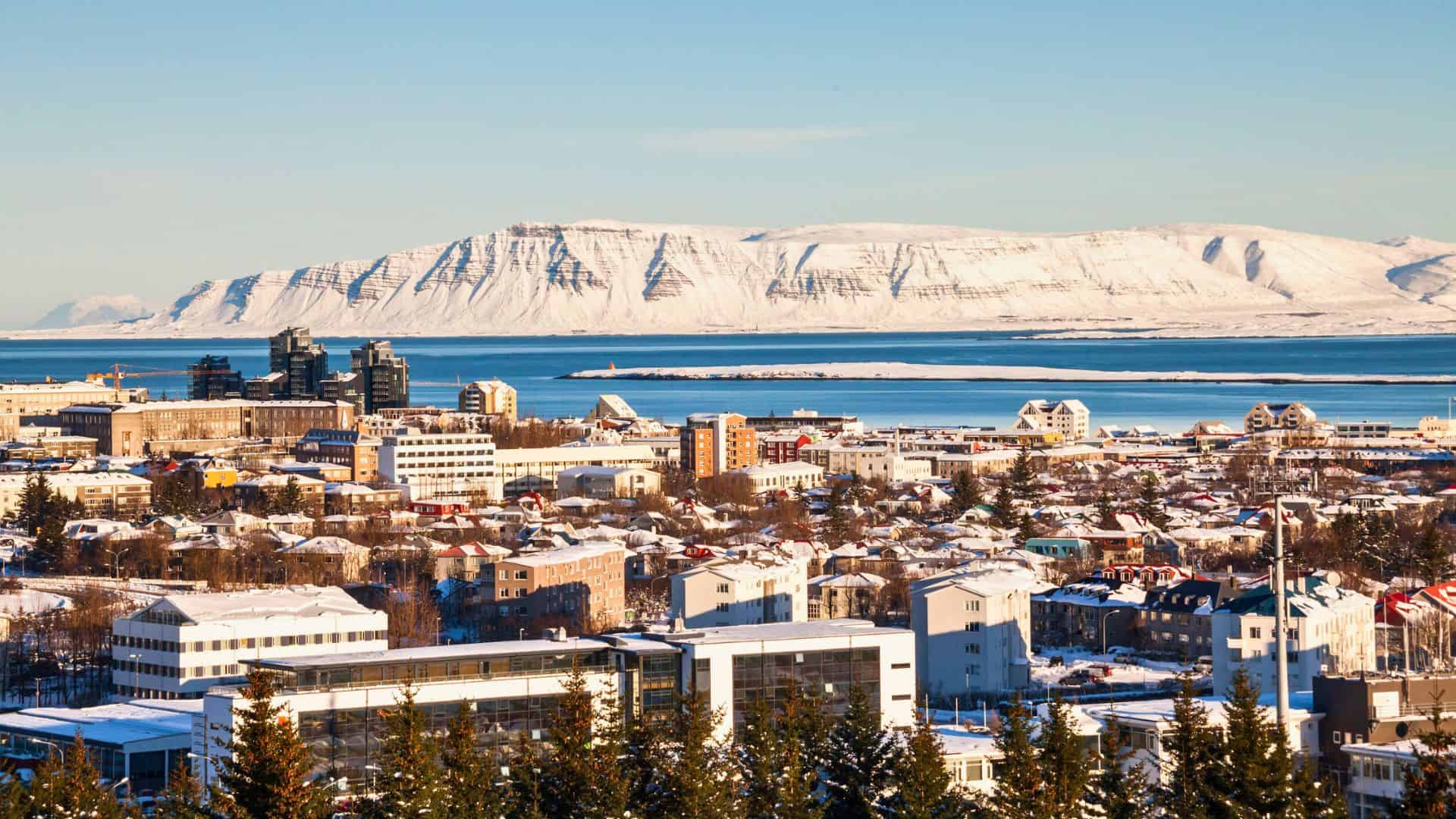
Reykjavik attracts winter travelers hoping to see northern lights or snowy views, yet conditions are unpredictable. Storms frequently shut down roads, cancel scheduled tours, and delay flights. Daylight lasts only a few hours, making it hard to fit in outdoor plans. Cloudy skies often block northern lights entirely, leaving travelers disappointed after arranging costly tours. Ice and strong winds make walking difficult, especially near the waterfront. Many outdoor sites become harder to visit until spring. Reykjavik is beautiful, but winter brings many limitations that affect sightseeing. Late spring or early autumn gives longer days, safer roads, and clearer weather for exploring.
Prague, Czech Republic
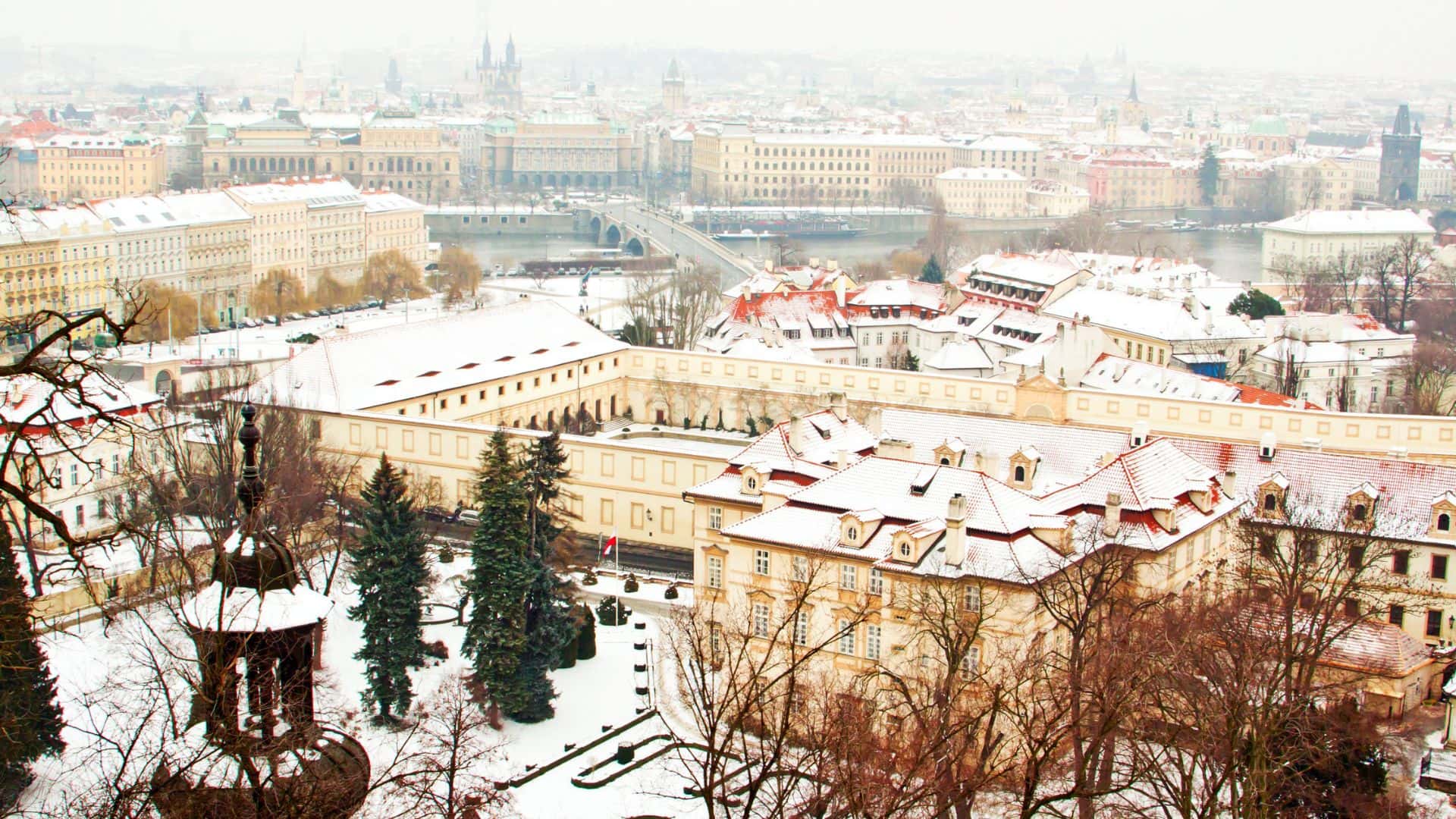
Prague remains visually impressive, but winter reduces much of its charm. The weather often stays gray and damp, with snow turning into slush rather than forming picturesque scenes. Crowds still gather at major landmarks, which creates a mix of cold temperatures and packed viewing points. Outdoor viewpoints lose appeal when the sky stays dull for days. After Christmas markets end, January and February feel quieter but also less lively. Cold winds along the river make walking long distances tiring. Spring and autumn show Prague’s architecture and bridges in brighter light, giving travelers a more uplifting introduction to the city.
Seoul, South Korea
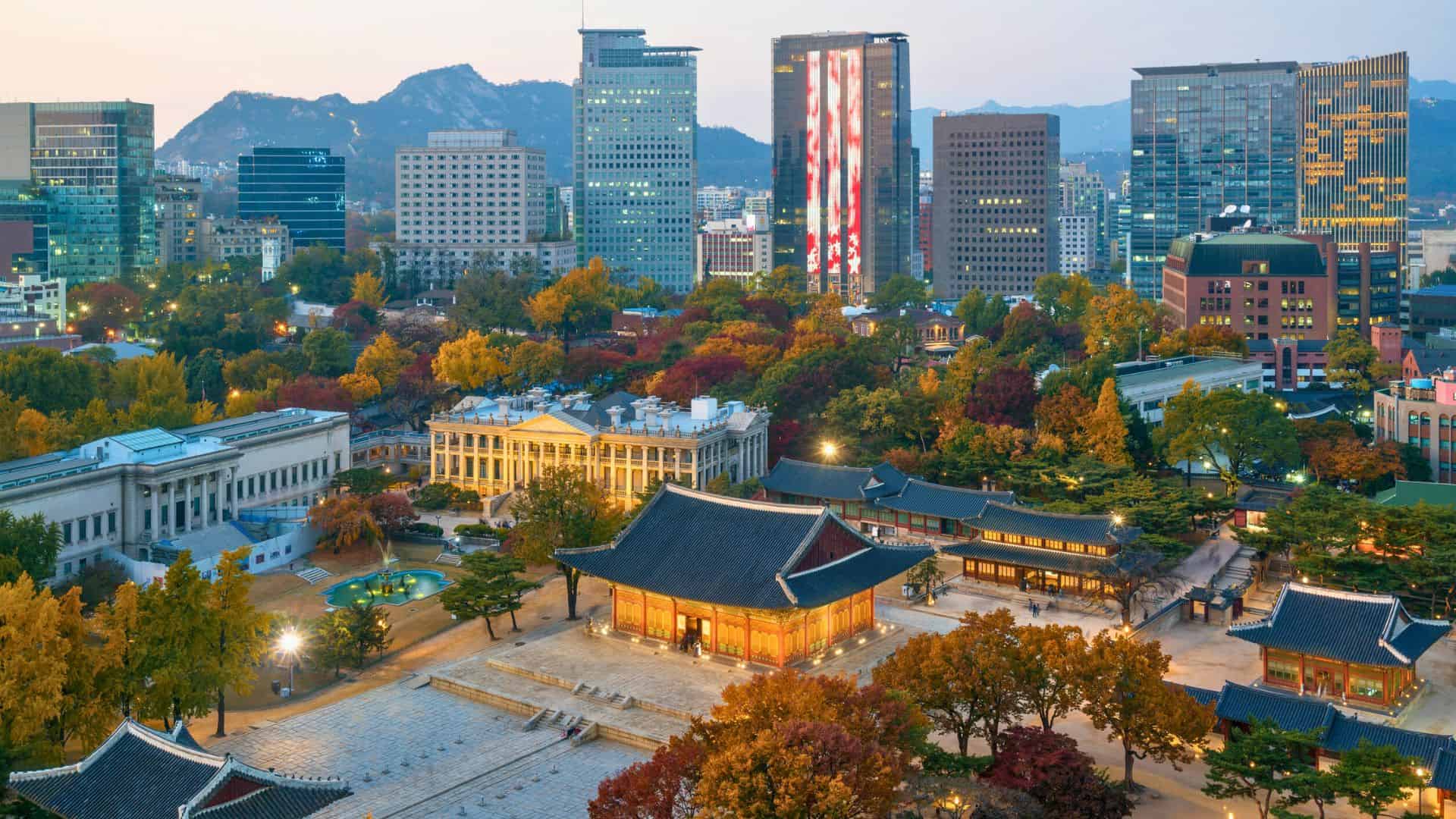
Seoul’s winter temperatures often drop sharply, making sightseeing difficult. Long walks through palace grounds or outdoor markets become tiring in freezing winds. Air quality can worsen, creating haze that softens views from high points like N Seoul Tower or Lotte Tower. Seasonal events slow down after New Year, leaving fewer cultural activities for visitors. While indoor attractions help, many travelers end up moving quickly between heated spaces. The cold can also affect flexibility with outdoor plans. Spring and autumn reveal the city’s best side, with blooming parks, colorful foliage, lively festivals, and comfortable weather for exploring every district.
Want to save this?
Banff, Canada

Banff is a winter dream for skiers, but many travelers who do not ski find the season challenging. Temperatures drop extremely low, making outdoor strolls along the lakes or town streets uncomfortable. Iconic turquoise lakes freeze over, removing the famous scenery that draws visitors in warmer seasons. Roads to scenic viewpoints sometimes close due to ice or heavy snow. Hotel prices increase because of ski demand, raising trip costs for travelers with no interest in winter sports. Banff’s beauty shines strongest in summer and early autumn, when hiking trails, lake views, and mountain scenery are fully accessible.
Hong Kong

Hong Kong’s winter stays mild but often appears gray and hazy, hiding the skyline’s brightness. Views from Victoria Peak become flat, and harbor photos look less sharp. Beaches and outlying islands lose energy, and many travelers expecting a tropical environment feel surprised by the chilly breezes. Outdoor markets still operate but feel less vibrant due to cooler weather and thinner crowds. Some cultural events wind down after the holiday season. Spring and autumn reveal clearer skies, blooming parks, and more active neighborhoods, giving visitors a better sense of Hong Kong’s rhythm and city life.
Vienna, Austria
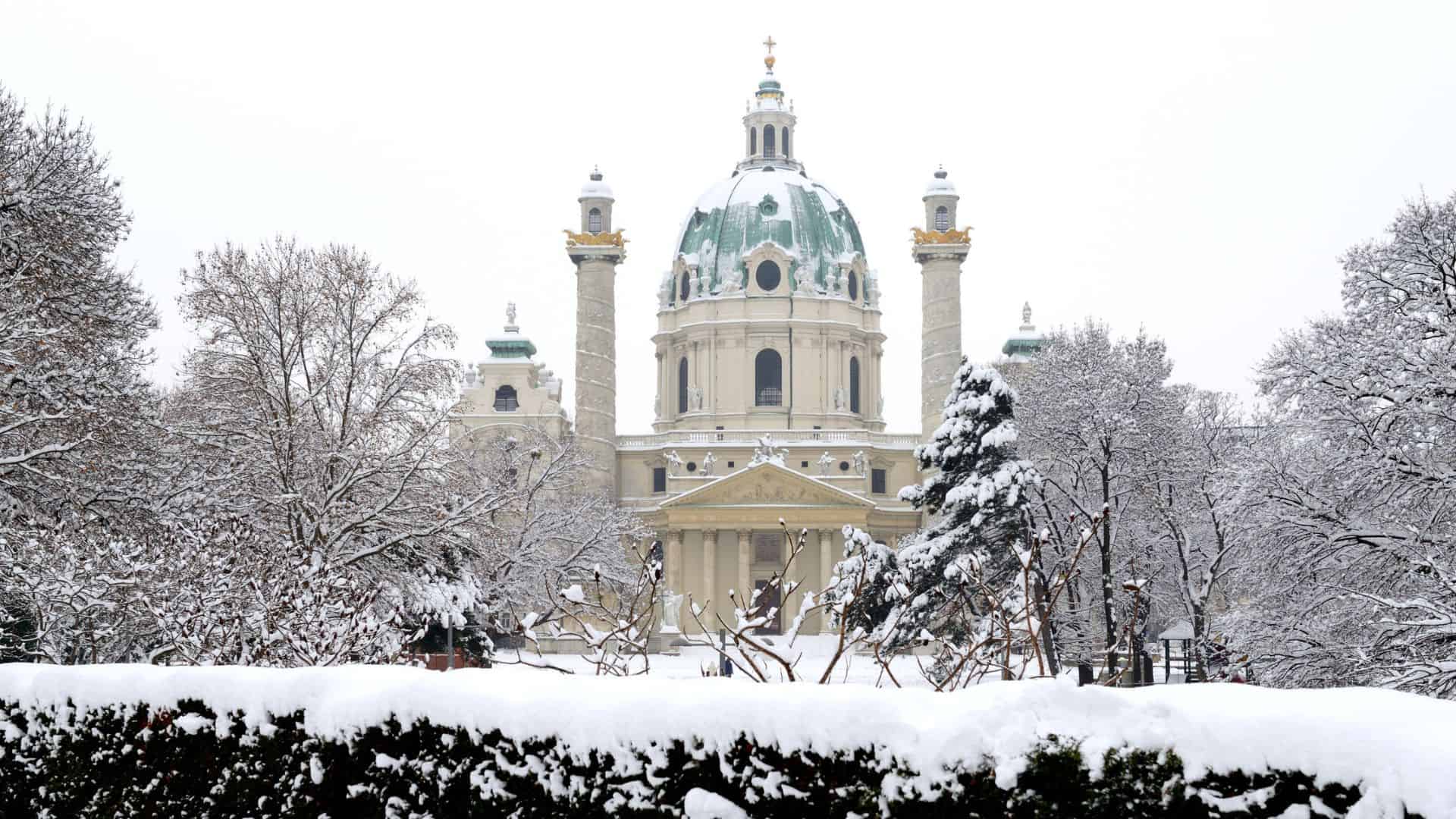
Vienna sparkles during December’s holiday markets, yet after the season ends, the city becomes much less lively. January and February bring cold, gray weather that limits enjoyment of Vienna’s elegant streets and outdoor cafés. Once decorations disappear, the quieter atmosphere feels less magical. While museums and concert halls remain impressive, freezing temperatures make exploring historic streets tiring. Many travelers prefer to visit when gardens, palaces, and riverside paths can be enjoyed comfortably. Spring and early autumn reveal brighter colors, longer days, and a more upbeat rhythm that suits the city’s artistic and historical charm.
Cappadocia, Turkey

Cappadocia’s winter landscapes look dreamy in photos, but conditions often create frustration for travelers. Balloon rides, the most popular activity, get canceled frequently because of wind, fog, or snow. Valley trails become icy and unsafe, limiting hiking opportunities. Thick fog can hide the region’s famous rock formations for long stretches. Cave hotels stay warm, but some feel drafty during very cold nights. Small cafés and local shops reduce hours or close for the season. Cappadocia shows its best side from April to October, when weather stays clear and activities run reliably.
Budapest, Hungary
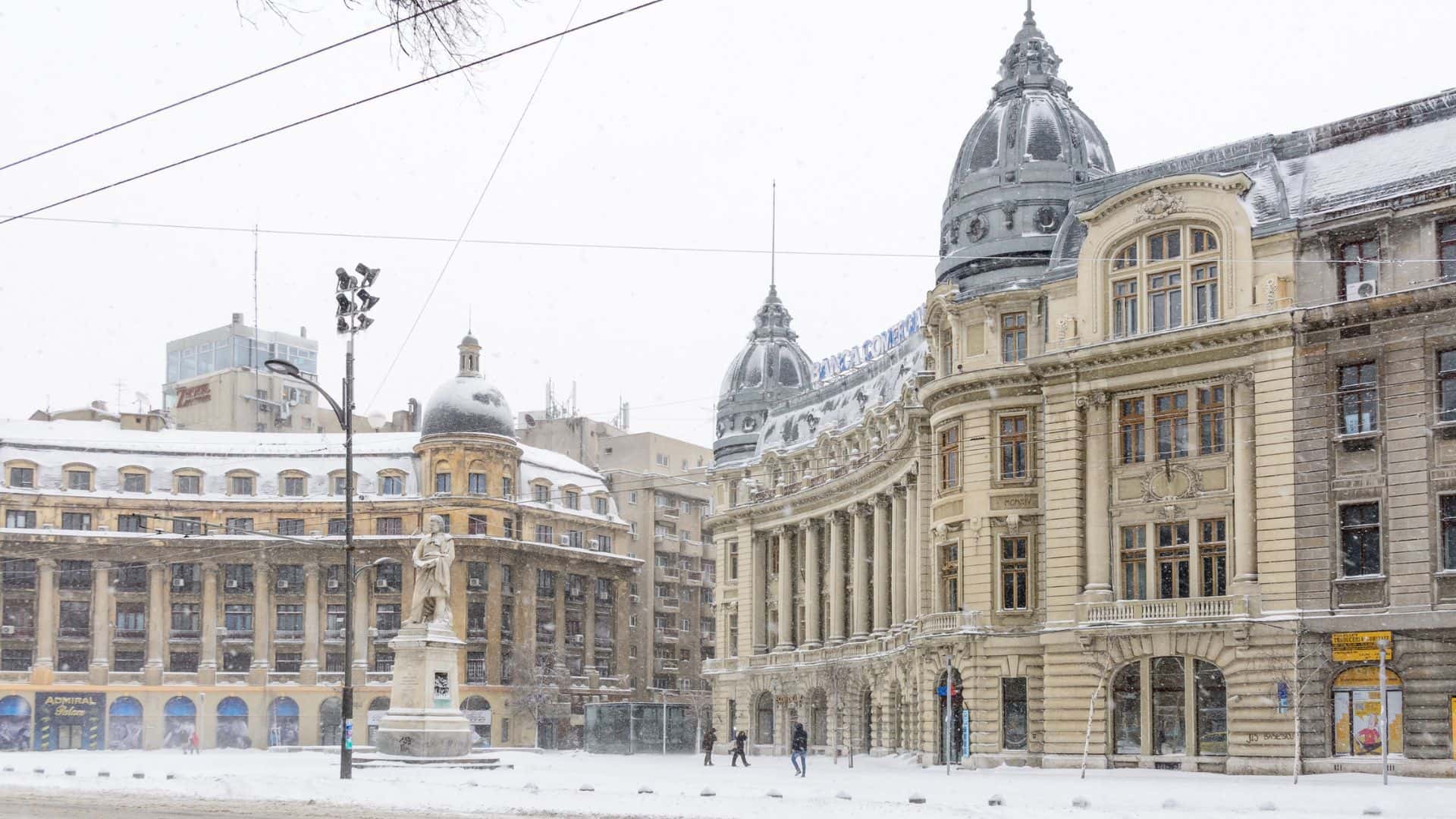
Budapest’s thermal baths attract winter visitors, but the rest of the city feels subdued. Chilly winds move along the Danube, and outdoor viewpoints become uncomfortable. Once Christmas markets shut down, many squares feel quiet and less festive. Fog often settles in, softening views from Gellért Hill or Fisherman’s Bastion. While indoor attractions remain strong, travelers lose some of the pleasure of exploring on foot. Spring and early autumn create a far better experience, with bright skies, pleasant temperatures, active riverside paths, and lively street cafés that bring the city to life.
13 Tourist Towns Travelers Say Aren’t All That Friendly

Not every destination lives up to its reputation, and there are tourist towns travelers say aren’t all that friendly. While some places welcome visitors with open arms, others leave a very different impression, where interactions feel rushed, transactional, or even unwelcoming. These towns may still be beautiful or historically significant, but the atmosphere can take away from the experience and leave travelers rethinking their plans.
Read More Here: 13 Tourist Towns Travelers Say Aren’t All That Friendly
13 Countries Where Good Manners Make or Break Your Trip

Planning to travel outside the country? Good manners can greatly impact travel experiences, and there are 13 countries where good manners make or break your trip. Understanding local customs and etiquette is essential for making a positive impression and ensuring a smooth visit. In some cultures, small gestures like saying "please" and "thank you" can go a long way, while in others, specific behaviors may be expected or even required.
Read More Here: 13 Countries Where Good Manners Make or Break Your Trip