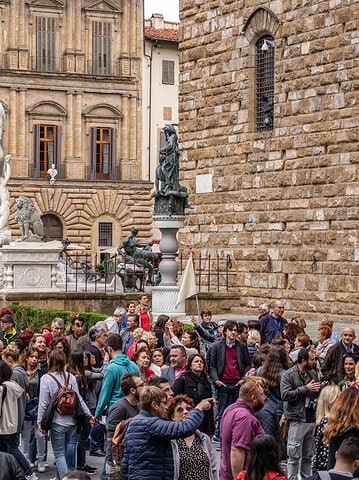
Traveling abroad can bring cultural surprises, and American visitors sometimes find attitudes or policies that leave them uneasy. With these 11 countries where Americans might feel unwanted as tourists, expectations can be better managed by understanding potential sources of tension. Factors such as historical disputes, political disagreements, economic conditions, or brief media coverage can shape local perceptions and influence how hospitality is extended.
Understanding where caution is warranted helps travelers tailor itineraries to more welcoming regions and focus on positive cultural exchanges. Consulting local sources and traveler reports offers clarity on community attitudes, while exploring alternative destinations can reveal hidden gems with friendlier vibes. Ready to plan a trip that respects both personal needs and local sentiment? Dive into the list below and choose places where the welcome mat is genuinely laid out for every visitor experience with ease.

France

Many American tourists in France notice a reserved or distant attitude, especially in large cities like Paris. Locals can seem impatient with visitors who do not make an effort to speak French or understand French customs. This sometimes leads to perceptions of coldness or unfriendliness. Tourist-heavy areas, including museums and cafes, may have staff less inclined to offer warm service. Americans are encouraged to learn basic phrases and show respect for local etiquette to improve interactions. While many French people are welcoming, the cultural differences can sometimes create a feeling of being unwelcome for some American travelers.
Italy

In Italy, Americans may face skepticism or frustration if they only speak English or show little interest in Italian culture and traditions. Locals appreciate when visitors try to speak the language or adapt to social norms, such as dress codes and dining customs. Tourists who appear unaware of local behaviors might be seen as disrespectful or careless. In some cases, impatience with unfamiliarity or loud behavior can create a sense of tension. Understanding and respecting Italy’s rich heritage and daily rhythms can help American visitors feel more accepted and enjoy a richer travel experience.
Russia

American tourists in Russia sometimes encounter suspicion or political tension, especially in places tied to government or military interests. Language barriers and historical differences contribute to cautious interactions. Security protocols and regulations can be stricter for Americans, resulting in closer scrutiny during travel. Public displays of friendliness may be less common, and conversations can feel formal or reserved. While many Russians welcome visitors, the geopolitical climate can influence how Americans are perceived, making it important for travelers to be aware of local attitudes and to approach interactions with respect and caution.
Brazil

In Brazil, tourists who are loud, flashy, or display behaviors associated with being outsiders may attract negative attention. In urban centers and some rural areas, locals sometimes view foreign visitors as unaware of local social norms. This can lead to feelings of exclusion or unwelcome reactions. Safety concerns in certain neighborhoods also contribute to a cautious atmosphere for tourists. Brazilians appreciate respectful and discreet behavior from visitors. Americans, in particular, might be advised to avoid drawing unnecessary attention and to familiarize themselves with local customs to foster positive experiences during their travels.
Argentina

Argentina’s culture is known for direct communication, which can sometimes feel confrontational to American visitors. Differences in social interaction styles and expectations may cause misunderstandings. Some locals may appear impatient or critical of tourists unfamiliar with regional customs or language. This can create a perception that Americans are unwelcome or out of place. However, many Argentines are friendly and hospitable once initial cultural barriers are overcome. Learning about local traditions, showing openness, and adapting to communication styles can help American tourists connect better and enjoy their time in Argentina.
China

In China, American tourists often face language barriers and cultural differences that can make interactions challenging. Political sensitivities may also affect perceptions, with some locals cautious or reserved when dealing with foreigners. Tourist areas can be crowded, and differing social customs might lead to misunderstandings. Americans unfamiliar with local etiquette, such as queuing or bargaining, may feel out of place. However, many Chinese people are hospitable and curious about visitors. Being patient, respectful, and making an effort to understand local customs can help American tourists have a more positive experience in China.
Want to save this?
United Kingdom

While the United Kingdom generally welcomes tourists, some Americans report feeling unwelcome in certain social settings or at sporting events. Cultural differences, such as humor and social etiquette, may create awkward moments. In places with strong local identities, like certain football stadiums or communities, American visitors can stand out and face subtle exclusion. Public interactions may be more reserved than what some Americans expect, leading to feelings of isolation. Learning about British customs, respecting local traditions, and avoiding behaviors seen as loud or intrusive can help American tourists feel more comfortable during their visits.
Australia

Australia is known for its laid-back culture, but some locals perceive Americans as loud or overly casual. Differences in communication styles and social norms can lead to misunderstandings or annoyance. In informal settings like bars or beaches, American tourists may unintentionally disrupt local customs by being boisterous or overly familiar. Australians value friendliness but also appreciate respectful boundaries. Visitors who adapt to the local tone and pace of interaction tend to have more positive experiences. Understanding these social nuances can help Americans avoid standing out negatively and enjoy their time in Australia.
Mexico

Mexico’s diverse regions vary widely in attitudes toward tourists, but safety concerns and cultural misunderstandings can affect American visitors’ experiences. In some areas, heightened awareness about crime leads to cautious or wary attitudes toward foreigners. Language differences and unfamiliar social customs might cause Americans to feel excluded or misunderstood. However, many Mexican communities are welcoming and value respectful visitors. Tourists who learn basic Spanish phrases, follow local advice on safety, and show appreciation for Mexican culture generally find more positive interactions and a richer travel experience throughout the country.
Japan

Japan places strong emphasis on social etiquette and order, which can make American tourists feel out of place if unfamiliar with local customs. Expectations around quiet behavior, punctuality, and respect in public spaces are strictly observed. Cultural norms related to personal space, bowing, and removing shoes may initially confuse visitors. Americans who do not adapt to these practices may encounter subtle social friction. However, Japanese people are typically polite and helpful, and efforts to follow customs are appreciated. Understanding and respecting these cultural expectations can help Americans feel more welcomed and enjoy smoother interactions in Japan.
South Korea

South Korea has distinct social norms and language barriers that can create challenges for American tourists. Group-oriented behaviors, formal greetings, and respect for hierarchy are important in daily interactions. Americans unfamiliar with these customs might unintentionally offend or appear distant. Public conduct, including noise levels and personal space, follows different standards than in the U.S. While many South Koreans are hospitable, cultural differences may sometimes lead to feelings of exclusion. Learning basic phrases, observing social cues, and showing respect for local traditions can improve Americans’ experiences and help them feel more accepted during their visit.
13 Countries Where Good Manners Make or Break Your Trip

Planning to travel outside the country? Good manners can greatly impact travel experiences, and there are 13 countries where good manners make or break your trip. Understanding local customs and etiquette is essential for making a positive impression and ensuring a smooth visit. In some cultures, small gestures like saying "please" and "thank you" can go a long way, while in others, specific behaviors may be expected or even required.
Read More Here: 13 Countries Where Good Manners Make or Break Your Trip
15 Most Chaotic Cities That Tourists Should Think Twice About

Which chaotic cities do you know about? Traveling to vibrant cities can be exciting, but there are 15 most chaotic cities that tourists should think twice about. These destinations are known for their overwhelming crowds, intense traffic, and a pace of life that can be disorienting for visitors. While they may offer unique experiences and attractions, the chaos can also lead to stress and frustration, making them less appealing for some travelers.
Read More Here: 15 Most Chaotic Cities That Tourists Should Think Twice About