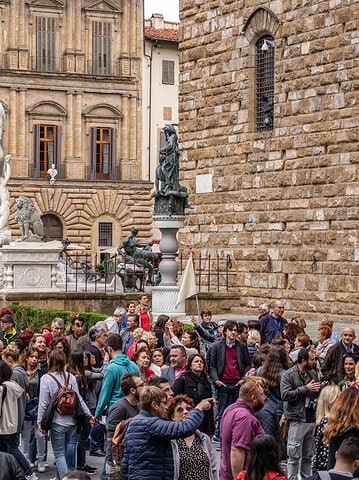
Some places are just better when they stay low-key. These 11 countries that locals want to keep a secret have a way of life that they protect from the rush of tourists and the changes that come with it. They have quiet streets, natural beauty, and traditions that don’t need to be shouted about. When too many visitors arrive, it can disrupt the balance and make it harder for people to live as they always have.
Traveling to these places means seeing something different without turning it into a tourist hotspot. It’s about respecting the local culture and the environment while enjoying the calm that comes with fewer crowds. For those who want a more genuine experience, these countries are perfect. They remind us that sometimes, the best adventures happen away from the usual paths, where the locals still feel at home.
Bhutan

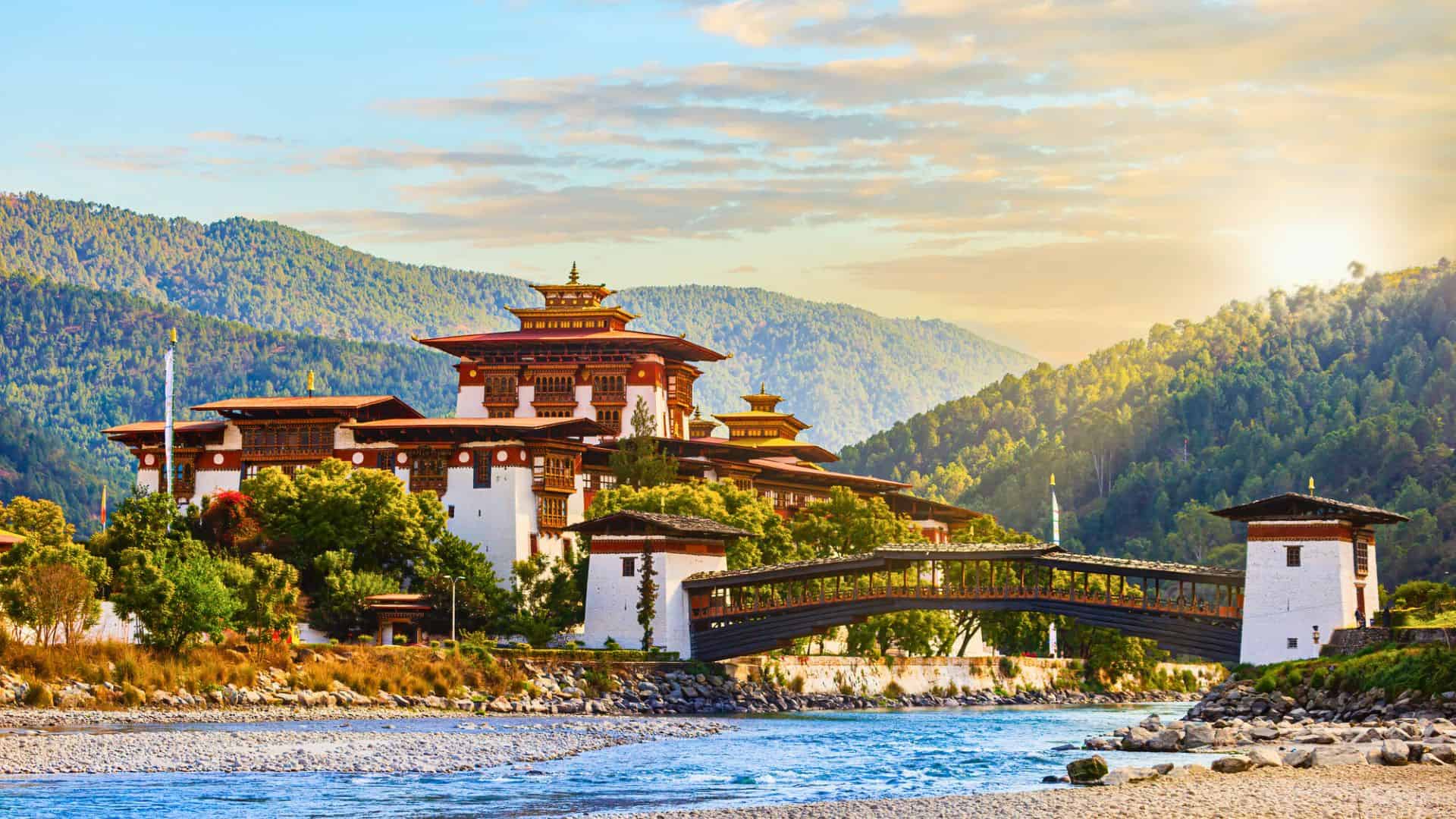
Bhutan is a Himalayan kingdom deeply committed to preserving its cultural heritage and natural environment. The government controls tourism through strict regulations, aiming to protect the country’s traditions and landscapes from the impacts of mass travel. Visitors often find themselves immersed in ancient monasteries, vibrant festivals, and breathtaking mountain scenery. The Bhutanese people take pride in maintaining their spiritual and environmental values, which contribute to a peaceful atmosphere rarely found elsewhere. This cautious approach helps keep the country’s tranquility intact, allowing residents to live in harmony with their surroundings without overwhelming crowds.
São Tomé and Príncipe
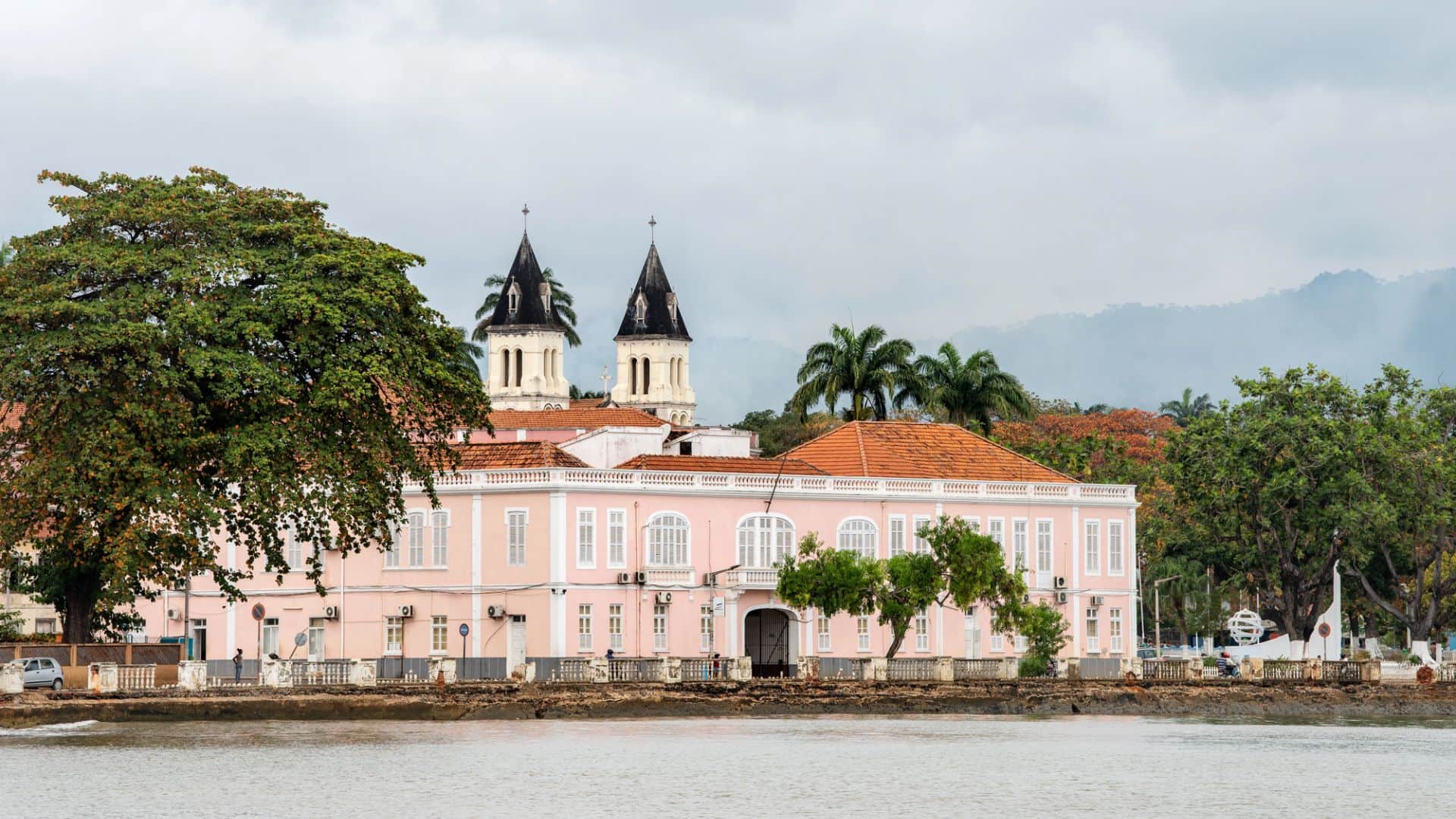
Nestled in the Gulf of Guinea, this small island nation is celebrated for its lush rainforests, volcanic landscapes, and rich biodiversity. The population values the preservation of its natural habitats and traditional ways of life, which could be disrupted by large numbers of visitors. Agriculture and fishing remain central to the local economy, and the islands’ calm atmosphere reflects a slower pace of life. Remote beaches and dense forests provide a refuge from busier tourist spots, allowing residents to maintain a close relationship with nature and their heritage without the pressures of commercialization.
Lesotho
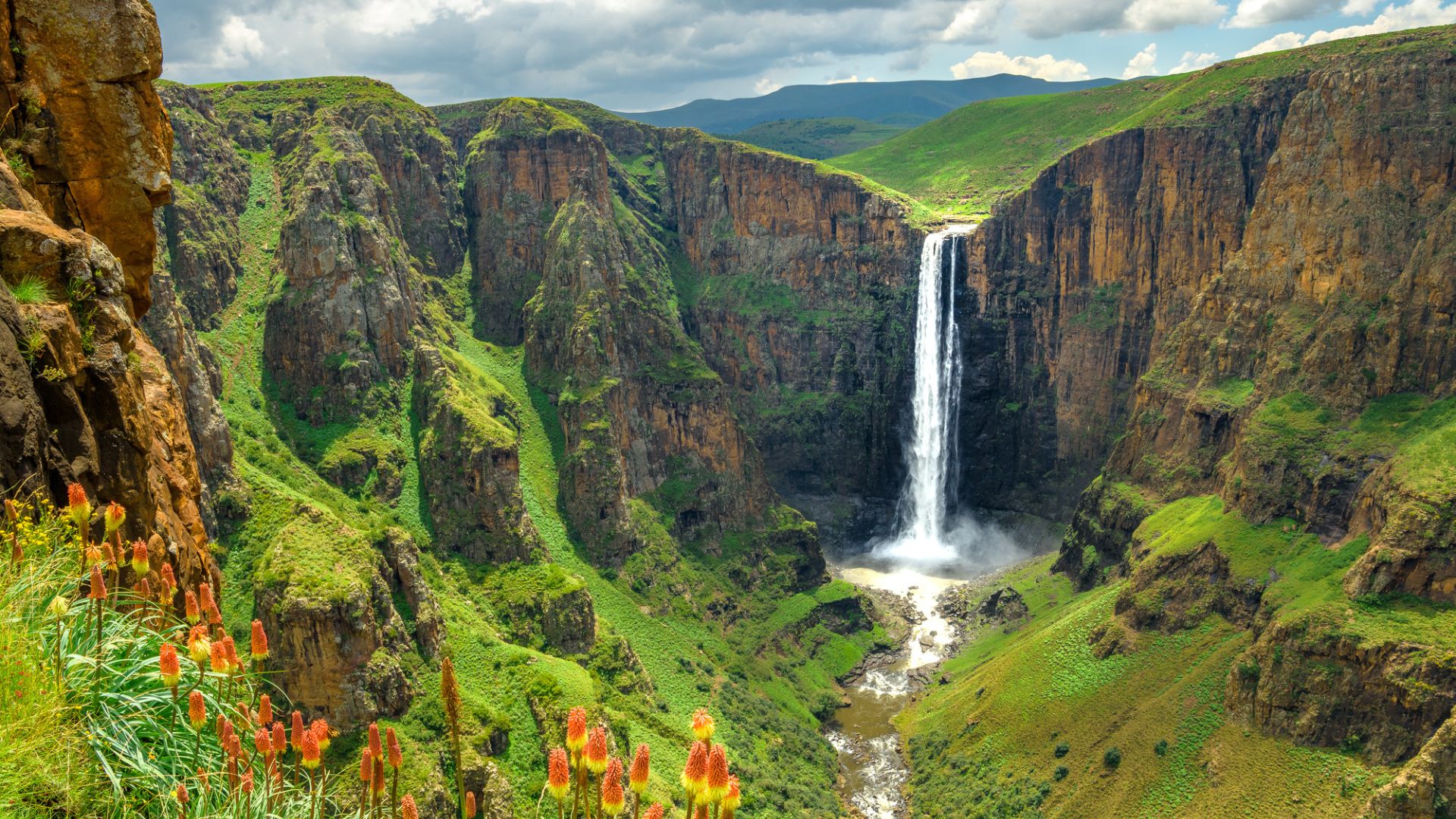
Surrounded entirely by South Africa, this mountainous kingdom is known for its dramatic highland scenery and strong cultural identity. Many residents take pride in maintaining their customs, including traditional dress and music, which might be diluted by excessive tourism. The rugged terrain and cooler climate create an environment distinct from much of the region, offering a peaceful retreat. Local communities emphasize respect for the land and each other, fostering a way of life that is deeply rooted in heritage and natural surroundings, away from the hustle of more frequented destinations.
Moldova

Located in Eastern Europe, this landlocked country is often overlooked despite its rich history and charming rural landscapes. Small villages and rolling hills characterize much of the area, where people continue to uphold age-old traditions. Vineyards and orchards form an important part of daily life, reflecting a connection to the land that locals are eager to protect. The relatively low number of tourists helps preserve the quiet, unspoiled character of the country, allowing residents to maintain their cultural practices and peaceful environment without disruption.
Suriname

Located on the northeastern coast of South America, this country is known for its vast rainforests and diverse cultural heritage. The population is a blend of indigenous peoples, descendants of African, Asian, and European settlers, each contributing to a rich social fabric. Many locals appreciate the relative quietness and natural beauty of the region, preferring to keep it away from large-scale tourism. The economy relies heavily on mining and agriculture, while the untouched wilderness areas remain a sanctuary for wildlife and a place where traditional ways of life continue without interruption.
Comoros

The Comoros archipelago lies off the eastern coast of Africa, with a rich mix of cultures influenced by African, Arab, and French traditions. The islands are prized for their biodiversity and pristine beaches, but locals often prefer to limit exposure to mass tourism to protect these assets. The communities rely on fishing and agriculture, and the slower pace of life is a core part of their identity. Visitors who do come are usually respectful of the environment and local customs. This cautious approach helps maintain the islands’ natural beauty and cultural integrity, which residents hold dear.
Kiribati
Want to save this?
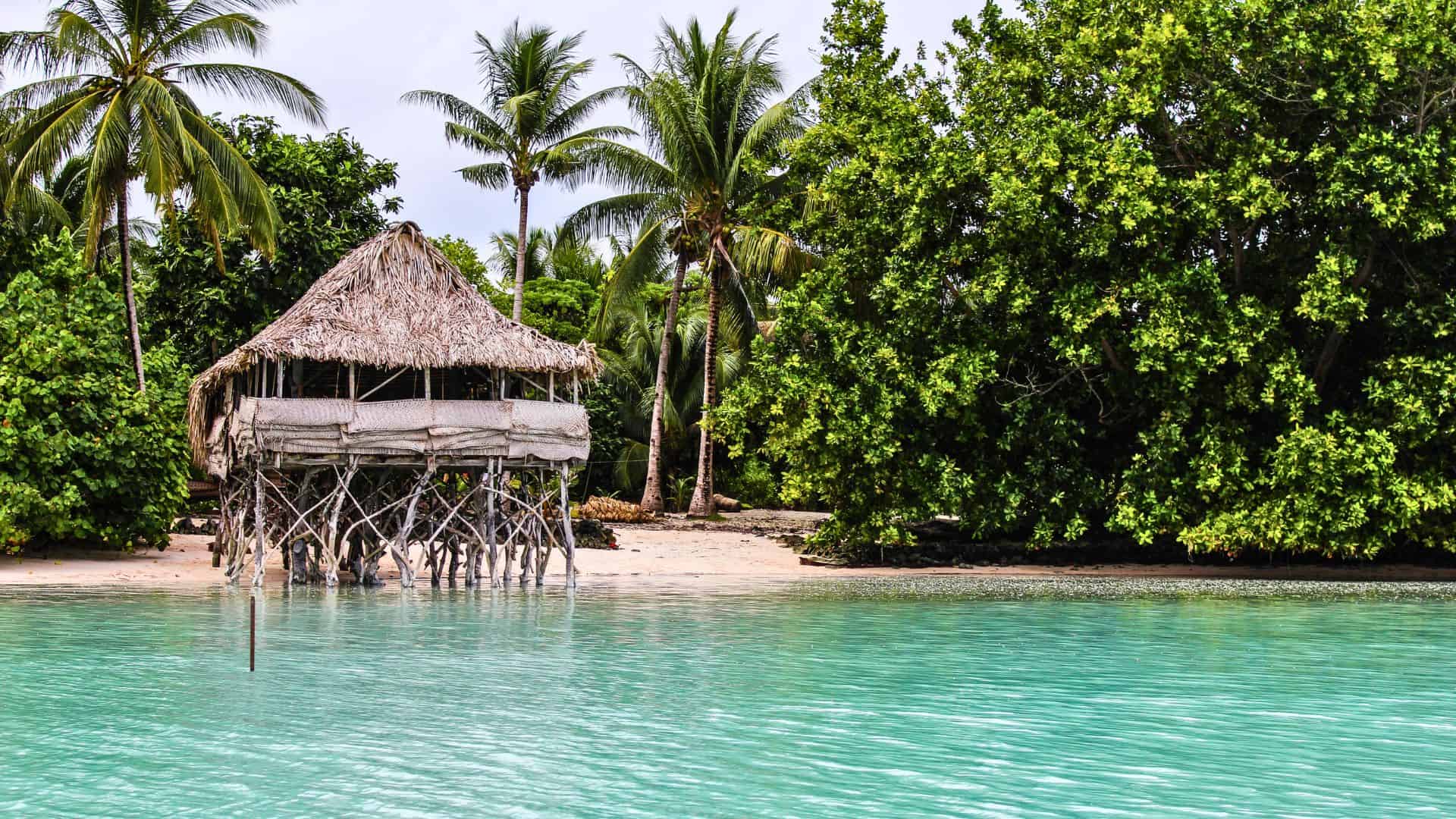
Situated in the central Pacific, this nation consists of numerous atolls and reef islands spread across a vast ocean area. The community places great importance on protecting the fragile marine environment and cultural traditions, which face risks from climate change and external influences. Life here revolves around family and community activities, with a strong connection to the sea and land. Limited infrastructure and geographic isolation contribute to a quiet existence, helping locals keep their islands off the typical tourist path and preserve the delicate balance between nature and human life.
Tajikistan
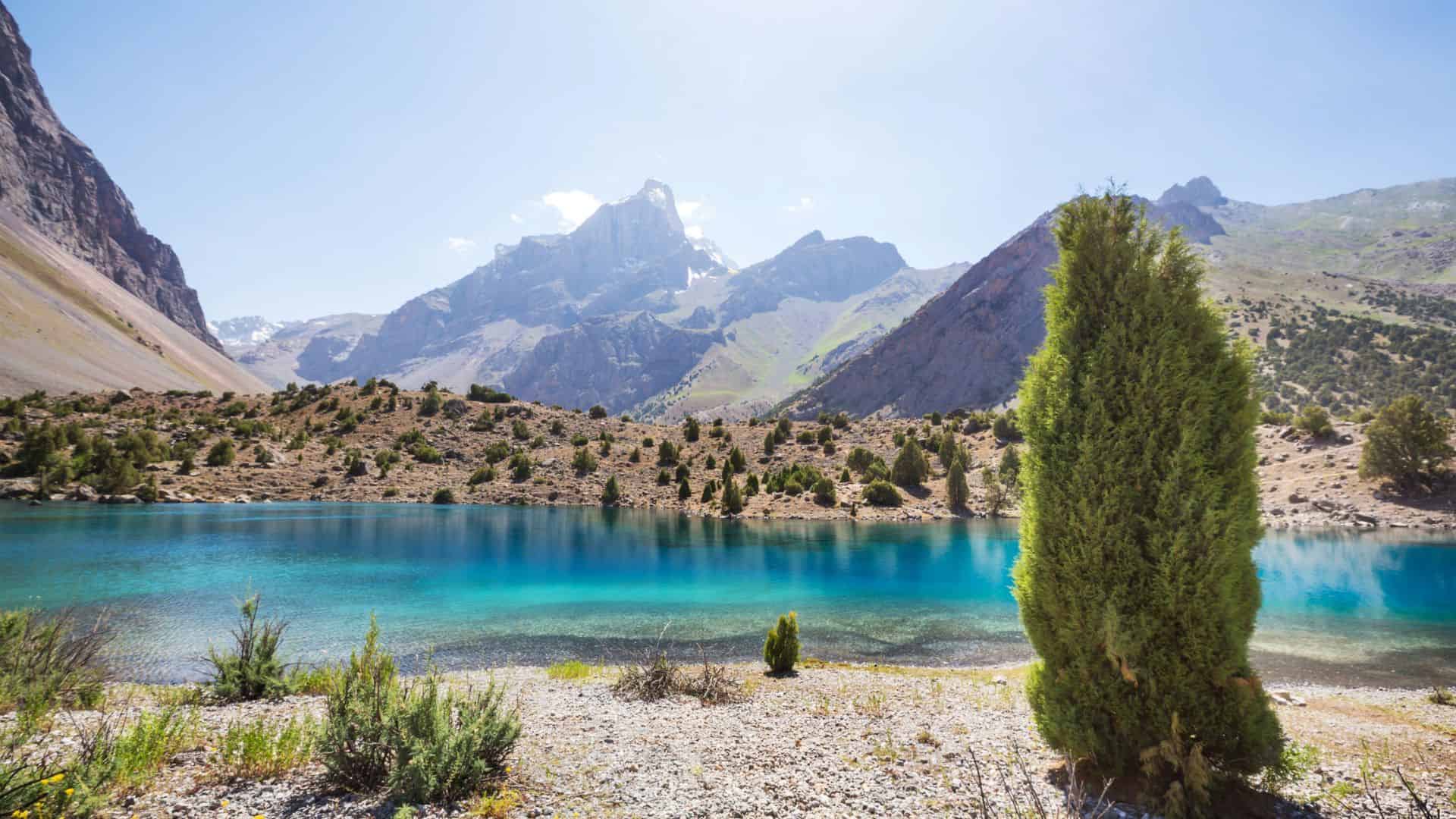
Situated in Central Asia, this mountainous country boasts stunning landscapes shaped by towering peaks and deep valleys. The population holds a strong sense of pride in their history, including ancient Silk Road connections and traditional practices. Many communities live in rural areas where agriculture and animal husbandry remain key parts of daily life. Visitors are relatively few, which helps preserve the quiet and authentic character of the region. The rugged terrain and cultural richness create a setting where residents can maintain their heritage and natural surroundings without the disruptions from mass travel.
Nauru

Nauru is one of the smallest countries on Earth, located in Micronesia. Its residents often prefer to keep the island’s presence low-key due to its isolated nature and limited resources. The island’s history includes phosphate mining, which has left environmental scars, but locals are focused on recovery and sustainable development. Tourism is minimal, partly because of the lack of facilities and accessibility challenges. This helps preserve a sense of calm and community among the population. Nauru’s quiet beaches and natural surroundings offer a retreat from busier destinations, something the locals cherish deeply.
Tuvalu
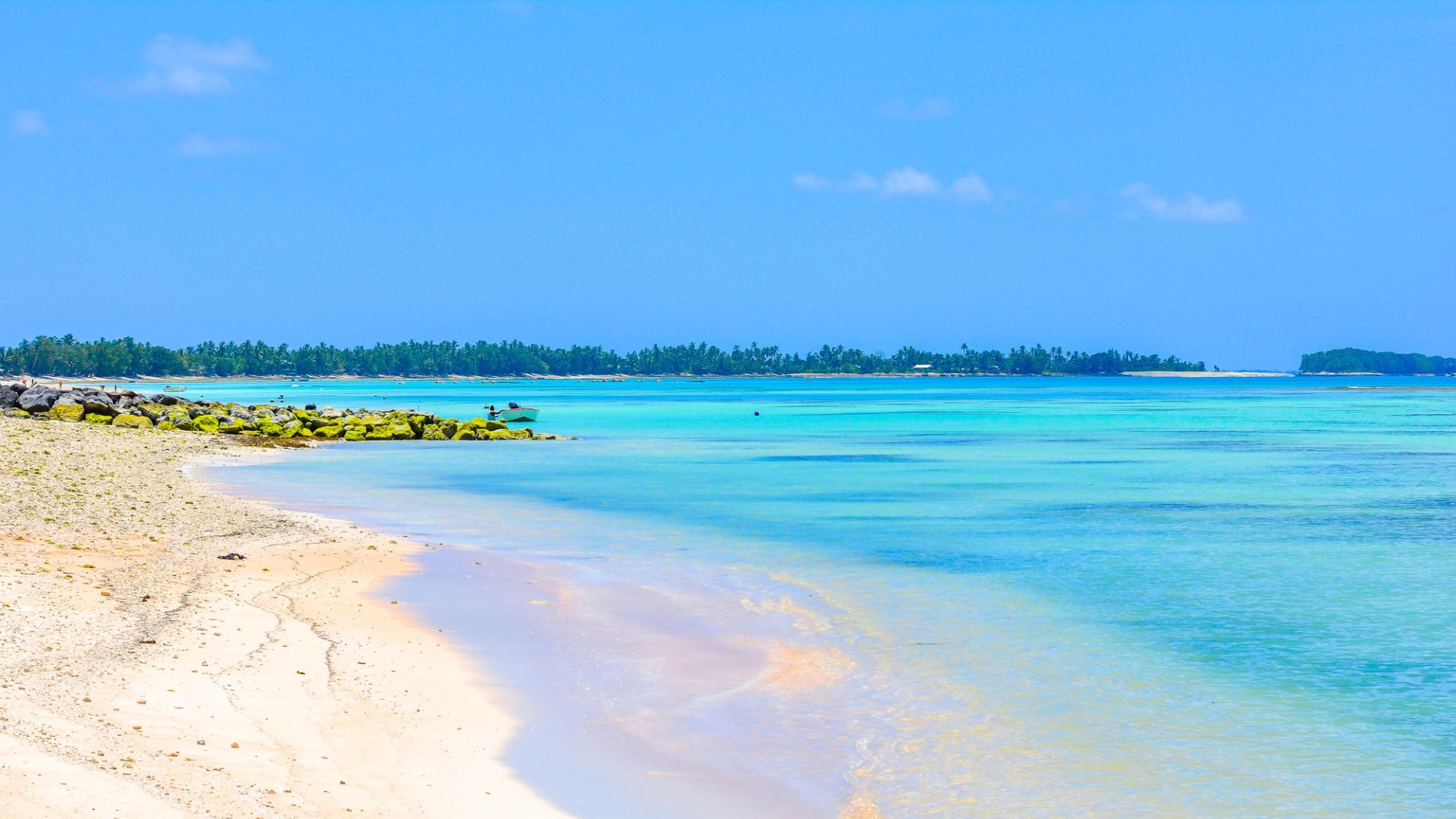
Tuvalu is a small island nation in the Pacific Ocean, known for its low-lying atolls and serene waters. The local population tends to keep the country off the typical tourist radar to preserve its fragile ecosystem and traditional lifestyle. Rising sea levels pose a significant threat, making the islands especially vulnerable. The community values simplicity and close-knit social bonds, which might be disrupted by a sudden influx of visitors. Tuvalu’s remoteness and limited infrastructure also contribute to its quiet character, allowing residents to maintain their customs and peaceful way of living without outside pressures.
Solomon Islands
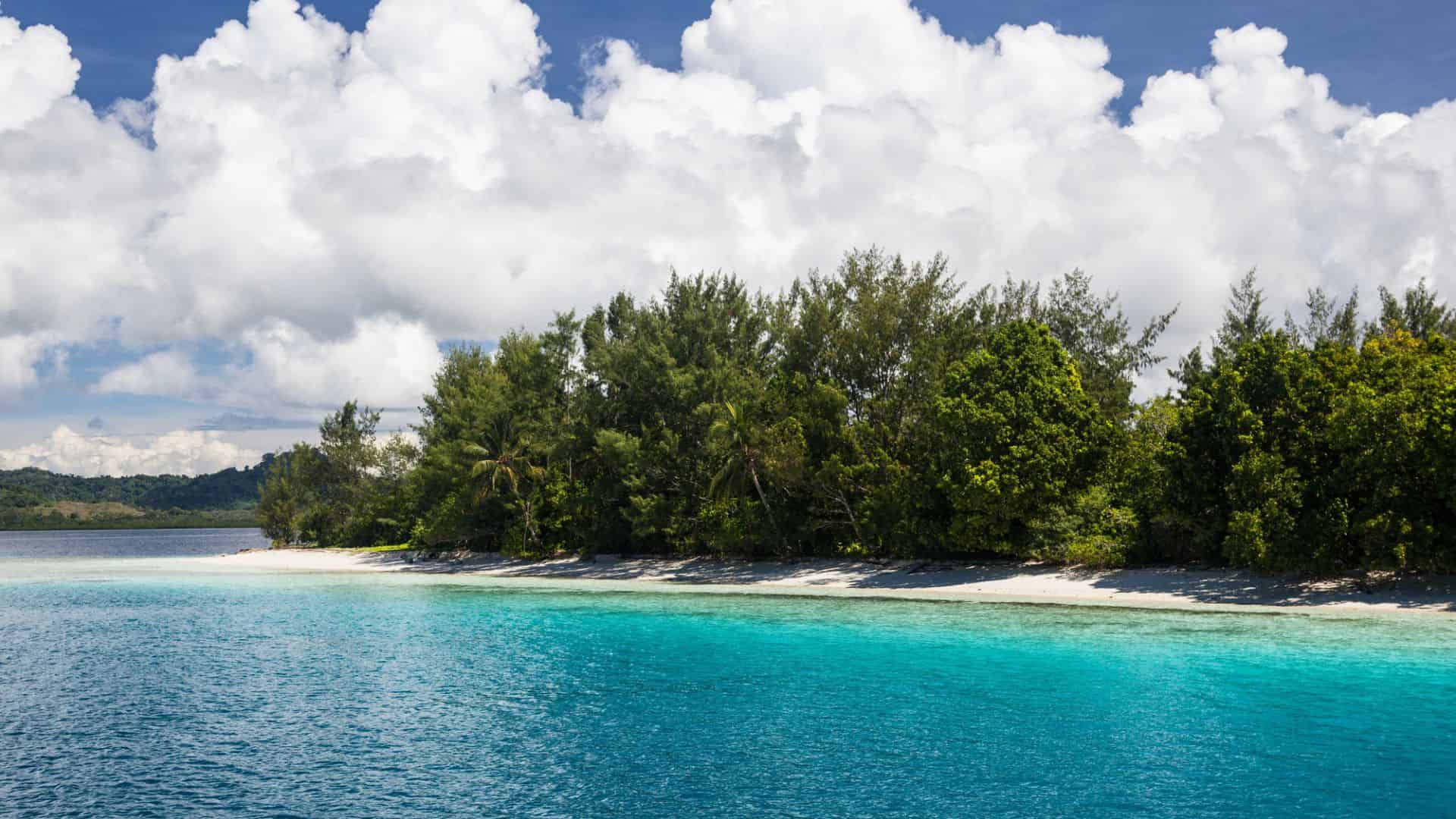
Scattered across the South Pacific, these islands are home to vibrant communities deeply connected to their environment and customs. The residents often prefer to avoid the spotlight to safeguard their cultural heritage and the pristine condition of their coral reefs and tropical forests. Life here is shaped by fishing, farming, and strong community ties, with ceremonies and traditions playing a central role. The islands’ remoteness and limited infrastructure help maintain a peaceful atmosphere, allowing locals to live according to longstanding customs without the pressures that come with heavy tourism.
Explore Quietly, Thank the Locals
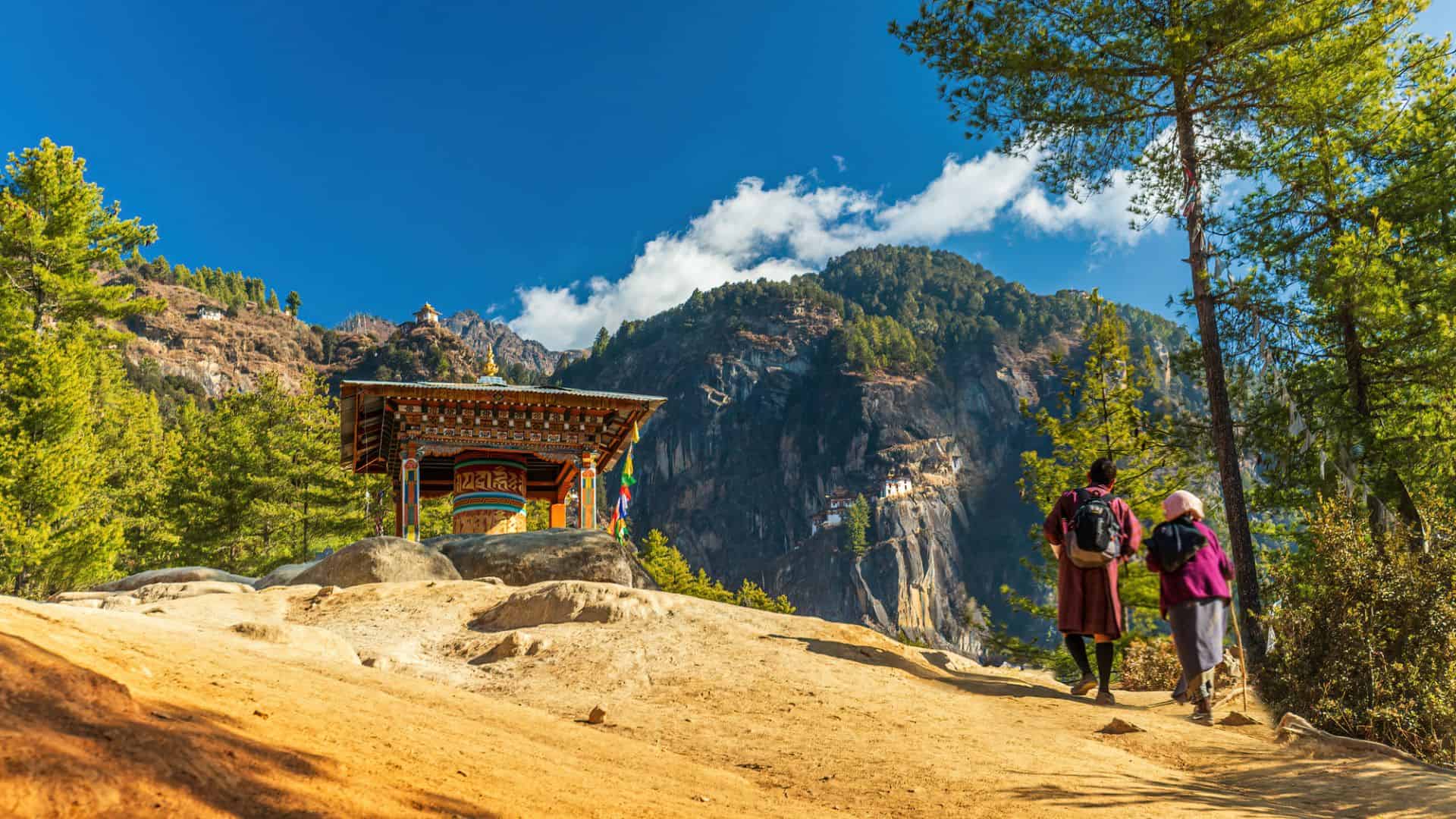
When you think about travel, it’s easy to get caught up in the popular destinations everyone talks about. But sometimes, the best experiences come from places that keep a low profile. These countries remind us that not every spot needs to be flooded with visitors to be worth seeing. Respecting the wishes of locals to keep their homes peaceful helps preserve the culture and environment that make these places special.
Choosing to visit less crowded destinations means you get to enjoy something real and calm. It’s a chance to connect with places on a deeper level without the noise and hassle that often come with tourism. So next time you plan a trip, consider looking beyond the usual spots. Sometimes, the hidden gems are the ones that leave the biggest impression, and the locals will appreciate it too.
13 Tourist Spots Everyone Used to Love But Locals Now Avoid
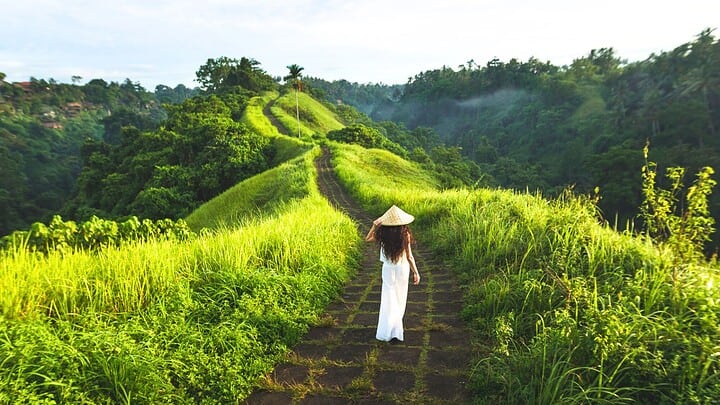
Tourist spots don’t always stay as charming as they once were. A place that used to feel relaxed and welcoming can slowly turn into a crowded maze of tour groups, souvenir stalls, and inflated prices. Locals who grew up enjoying those streets, beaches, or landmarks often find themselves avoiding them altogether. In fact, there are 13 tourist spots that locals avoid now.
Read More Here: 13 Tourist Spots Everyone Used to Love But Locals Now Avoid
12 Places in Korea That Only Locals Tend to Visit
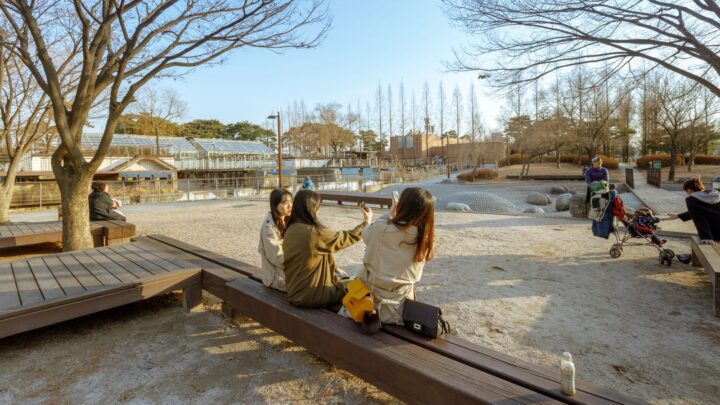
Beyond Korea’s famous palaces, bustling markets, and trendy neighborhoods, there are places in Korea that only locals tend to visit. These 12 hidden spots reflect everyday life and traditions often overlooked by tourists, from quiet mountain temples and seaside villages to small-town festivals and tucked-away street markets. Visiting them gives travelers a chance to see another side of the country—one that feels more authentic and closely tied to local culture.
Read More Here: 12 Places in Korea That Only Locals Tend to Visit