The 2026 total solar eclipse is one of those moments that pulls people out of their routine and points their eyes straight up. For anyone planning ahead, these 11 places to catch the 2026 total solar eclipse in Spain and Iceland can help narrow down where that moment might feel just right. This eclipse won’t last long, but the memory sticks. Spain and Iceland sit in a great spot for this event, each with its own pace, views, and travel style.
This is about being in the right place at the right time, without overthinking it. You want clear skies, open views, and a setting that feels natural when the sun fades out. Some people prefer lively streets and easy access. Others want space, calm, and big landscapes. Both work. What matters is standing somewhere that feels perfect when the sky steals the show for a few unforgettable minutes.
Látrabjarg Cliffs
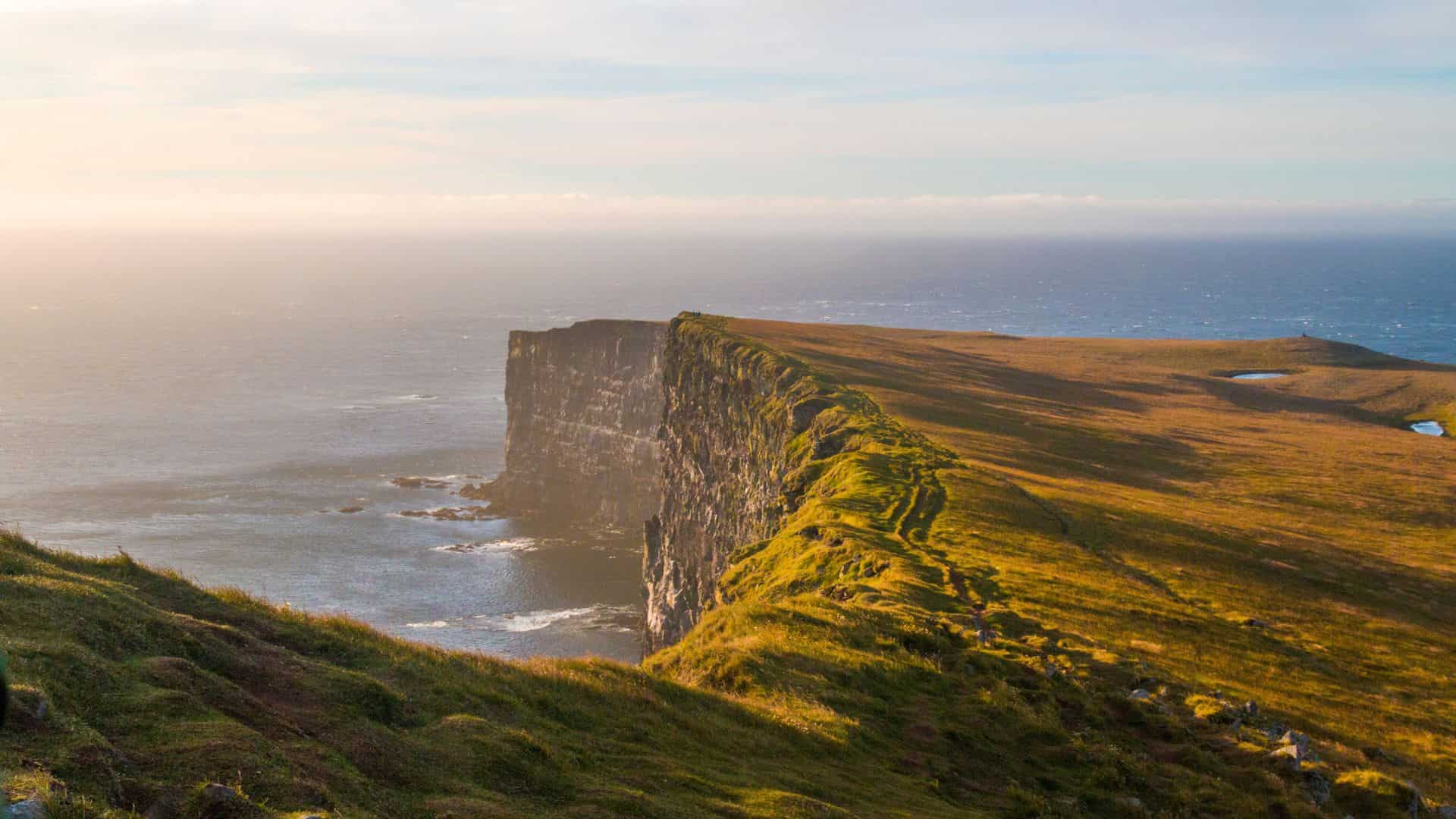
Látrabjarg Cliffs stand at the westernmost point of Iceland, making this site the primary land-based location for the longest duration of totality. During the event, the sky turns dark for 2 minutes and 14 seconds. The massive rock faces rise 441 meters above the sea, creating a grand backdrop against the North Atlantic. Because this spot lies closest to the centerline of the moon's shadow, observers see a deep, dramatic transition. It is a top choice for astronomers who value maximum time under the shadow. Access involves a significant journey, but the result is the greatest viewing window on Icelandic soil.
Snæfellsnes Peninsula (Kirkjufell)
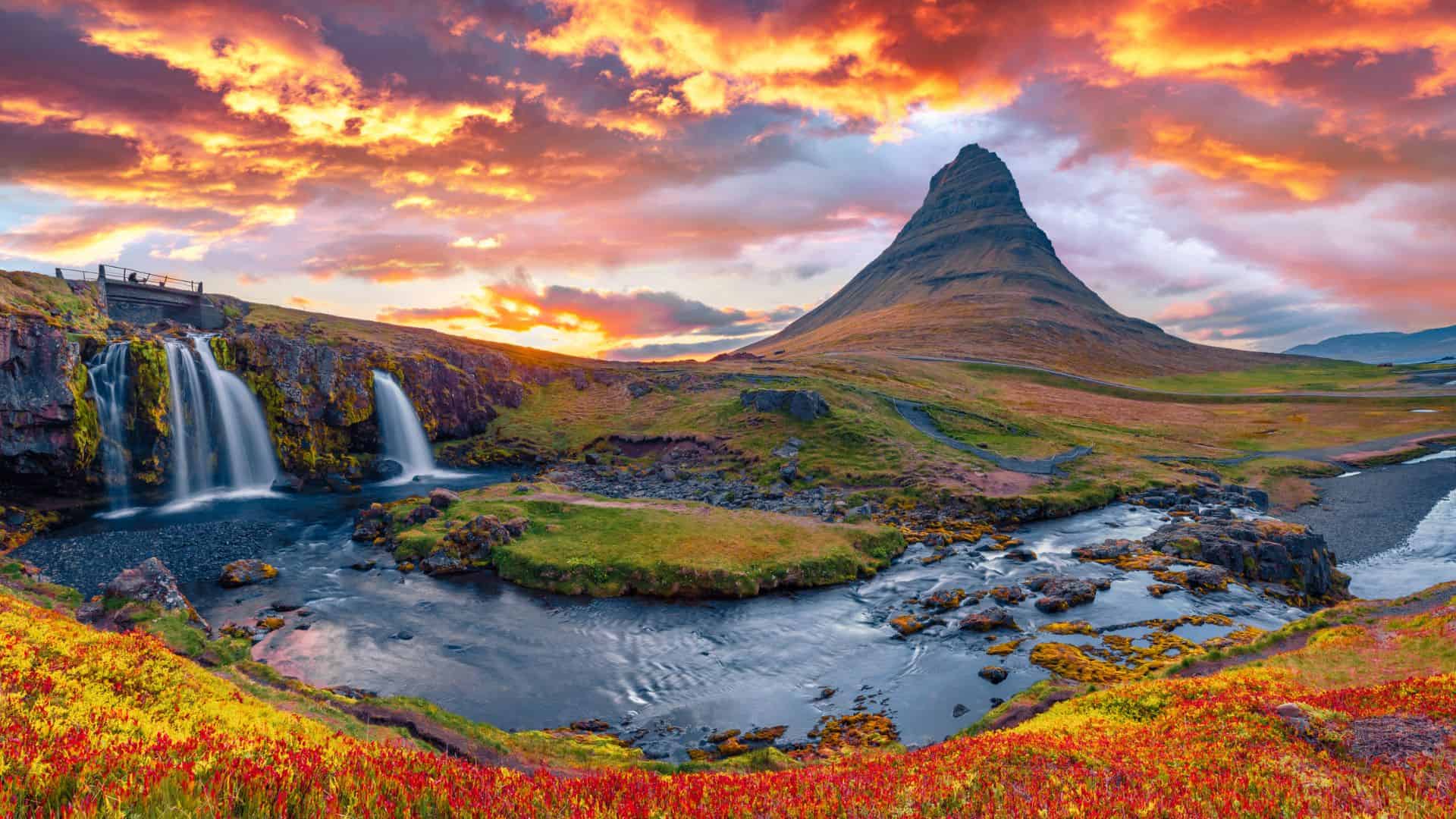
Kirkjufell mountain serves as an iconic visual anchor for the celestial alignment. On the Snæfellsnes Peninsula, spectators will witness totality for approximately 2 minutes and 10 seconds, with 1 minute and 50 seconds occurring directly over the mountain peak. The sharp peak and nearby waterfalls create a striking foreground for the solar corona. This region contains diverse volcanic landscapes that look alien under the eerie midday twilight. Photographers gather here to capture the eclipse alongside the most famous mountain in the nation. The probability of seeing the moon's shadow race across the fjords makes this a superior destination for environmental viewing.
Reykjavík (Grótta Lighthouse)
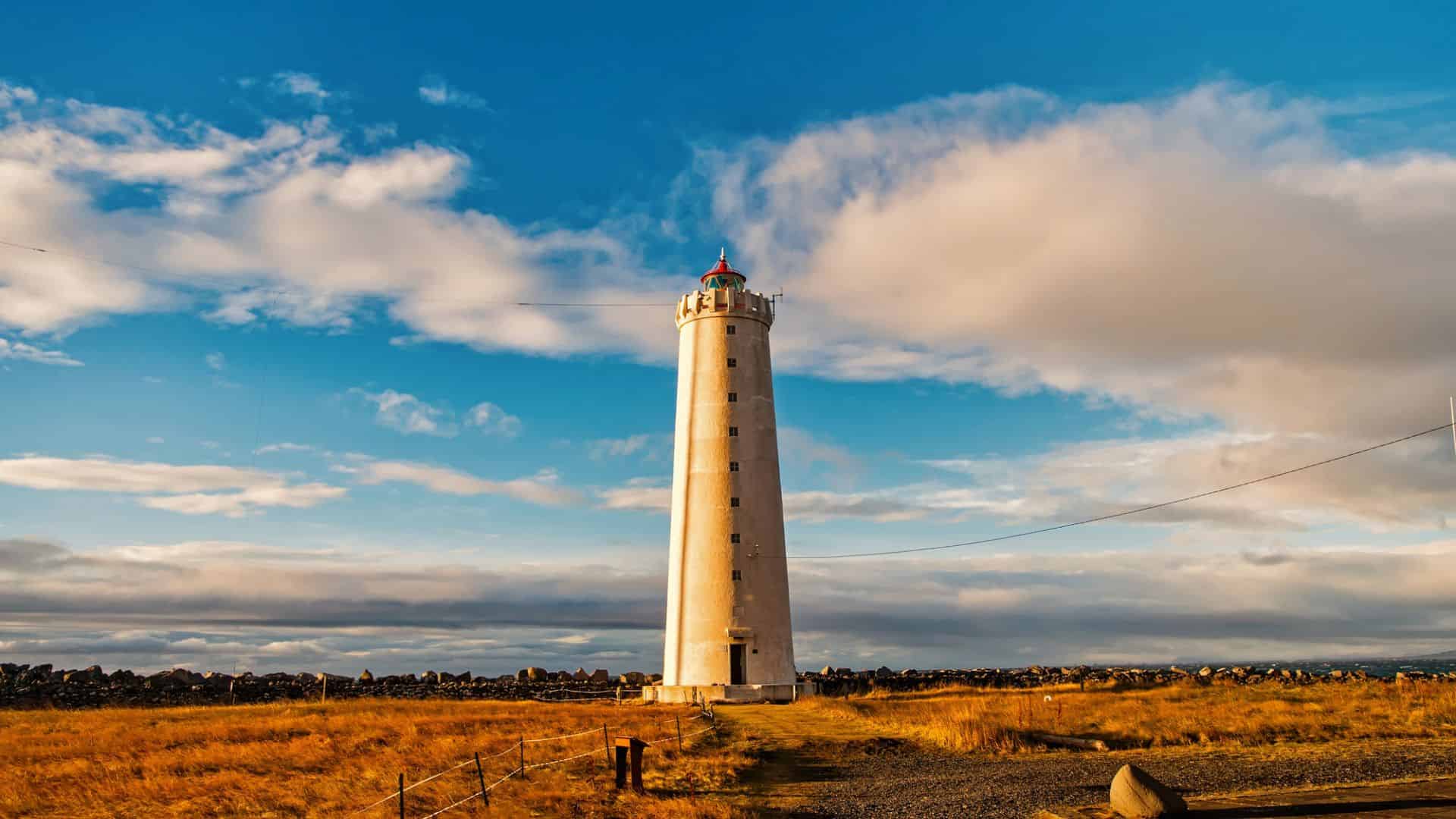
Located at the tip of the Seltjarnarnes Peninsula, the Grótta Lighthouse serves as an accessible viewing hub near the city center. Totality lasts 1 minute and 4 seconds here. While the duration is shorter than the western fjords, the location gives travelers the ease of urban infrastructure. The lighthouse stands on a tidal island, giving viewers a 360-degree vista of the horizon and the Atlantic. This open space helps minimize light pollution from the capital. It represents a practical choice for visitors who want to witness the event without traveling deep into the remote wilderness. The coastal air adds to the distinct atmosphere.
The Blue Lagoon
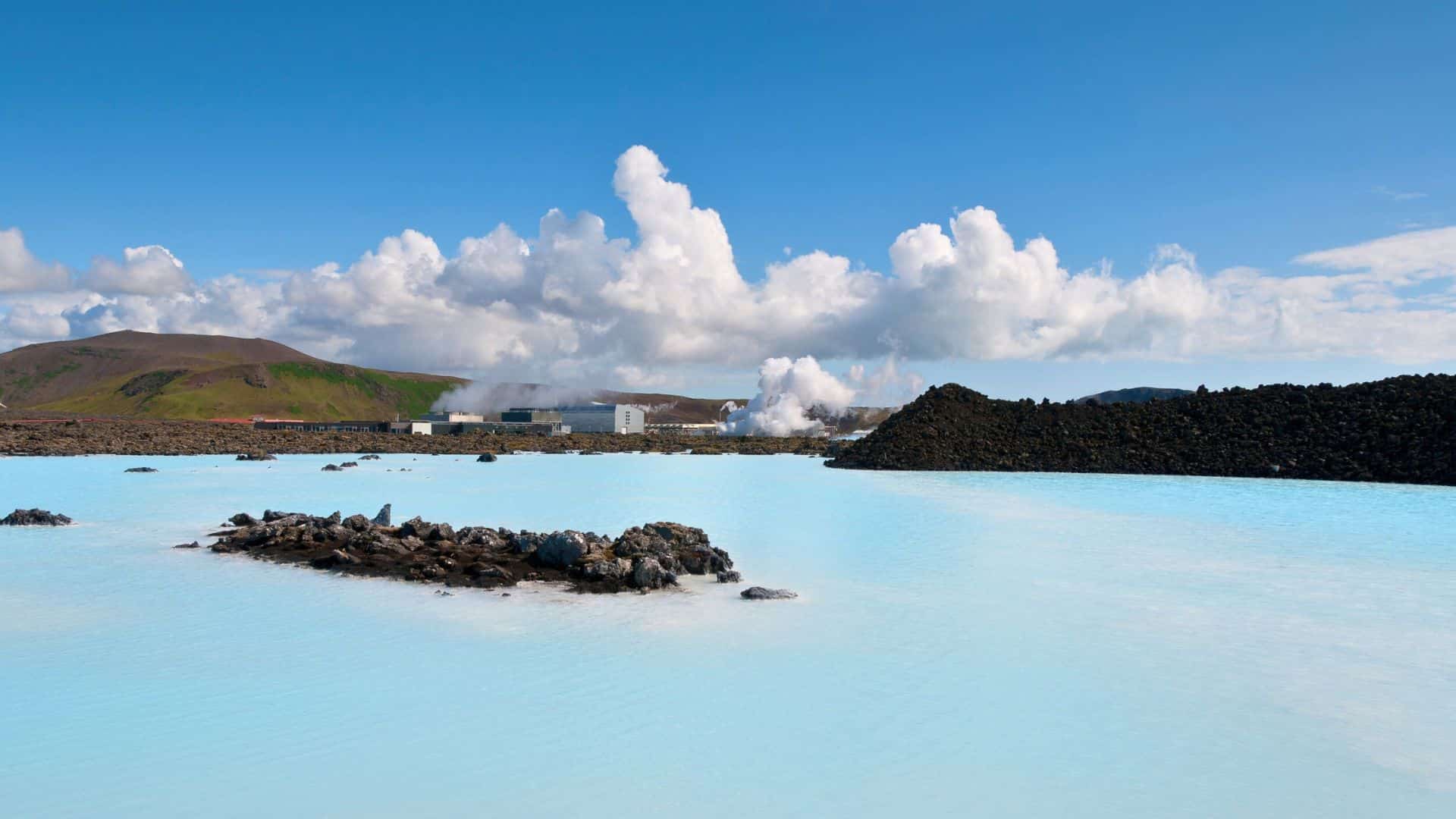
Situated on the Reykjanes Peninsula, the Blue Lagoon grants a total duration of 1 minute and 32 seconds. Seeing the Sun vanish while sitting in milky-blue silica water creates a surreal sensory experience. The surrounding black lava fields are flat, which helps maintain a clear sightline to the southwest where the eclipse occurs. Its proximity to the international airport makes it the most convenient spot for travelers flying in specifically for the event. The contrast between the dark sky and the bright blue water creates a visual spectacle found nowhere else along the path. The site gives viewers a stable and comfortable platform.
A Coruña
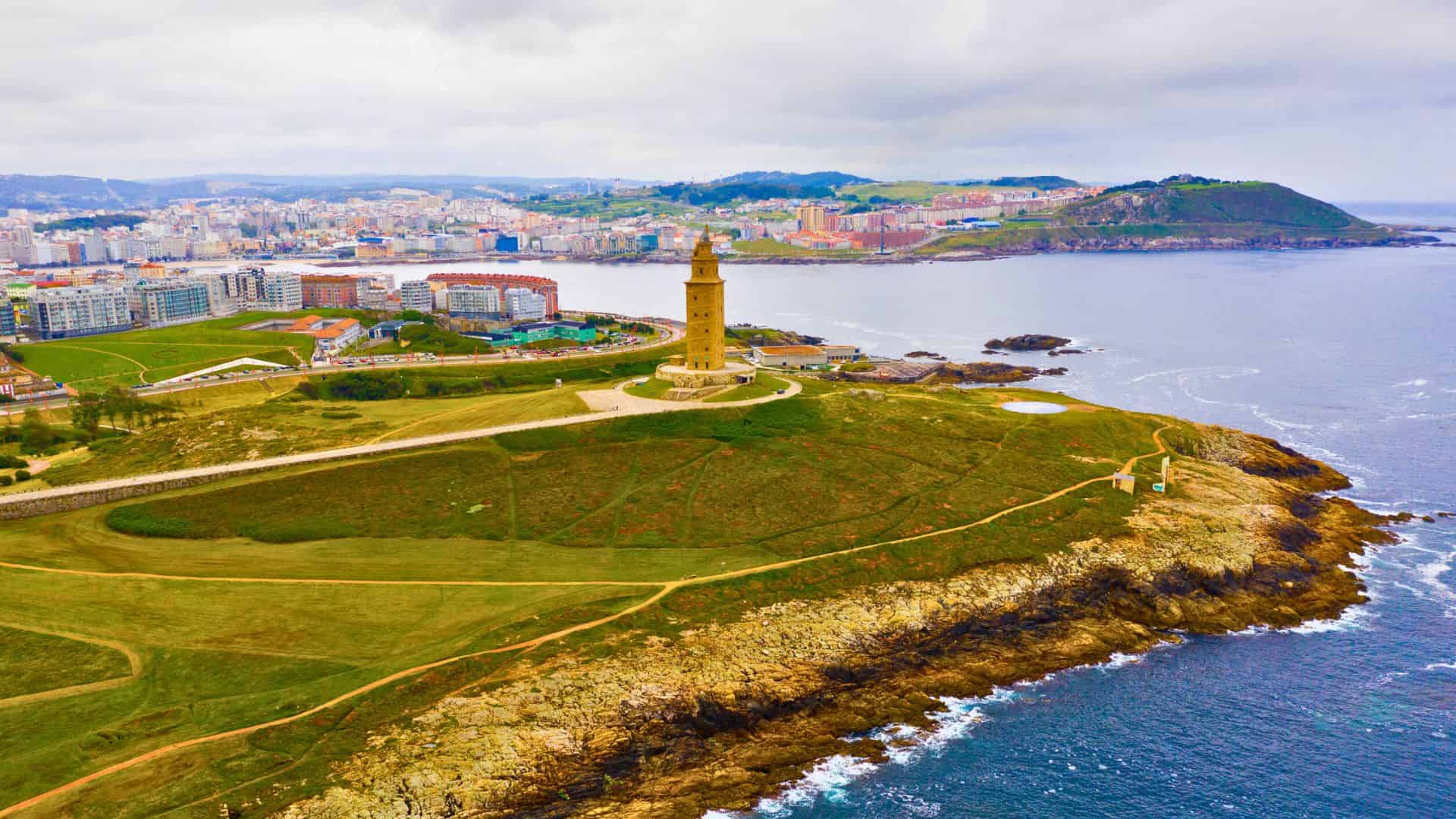
A Coruña sits on the rugged Galician coast where the Atlantic meets the land. Totality here reaches 1 minute and 15 seconds. The Tower of Hercules, an ancient Roman lighthouse, stands as the primary landmark for observers. Because the sun sits low during the event, the western horizon must remain clear. This city experiences the eclipse first as the shadow enters mainland Spain. The maritime climate brings a chance of coastal fog, yet the historic atmosphere makes it a premier choice. Visitors witness the sky darken over the ocean while the lighthouse beacon starts to rotate against the artificial night.
Oviedo and Gijón
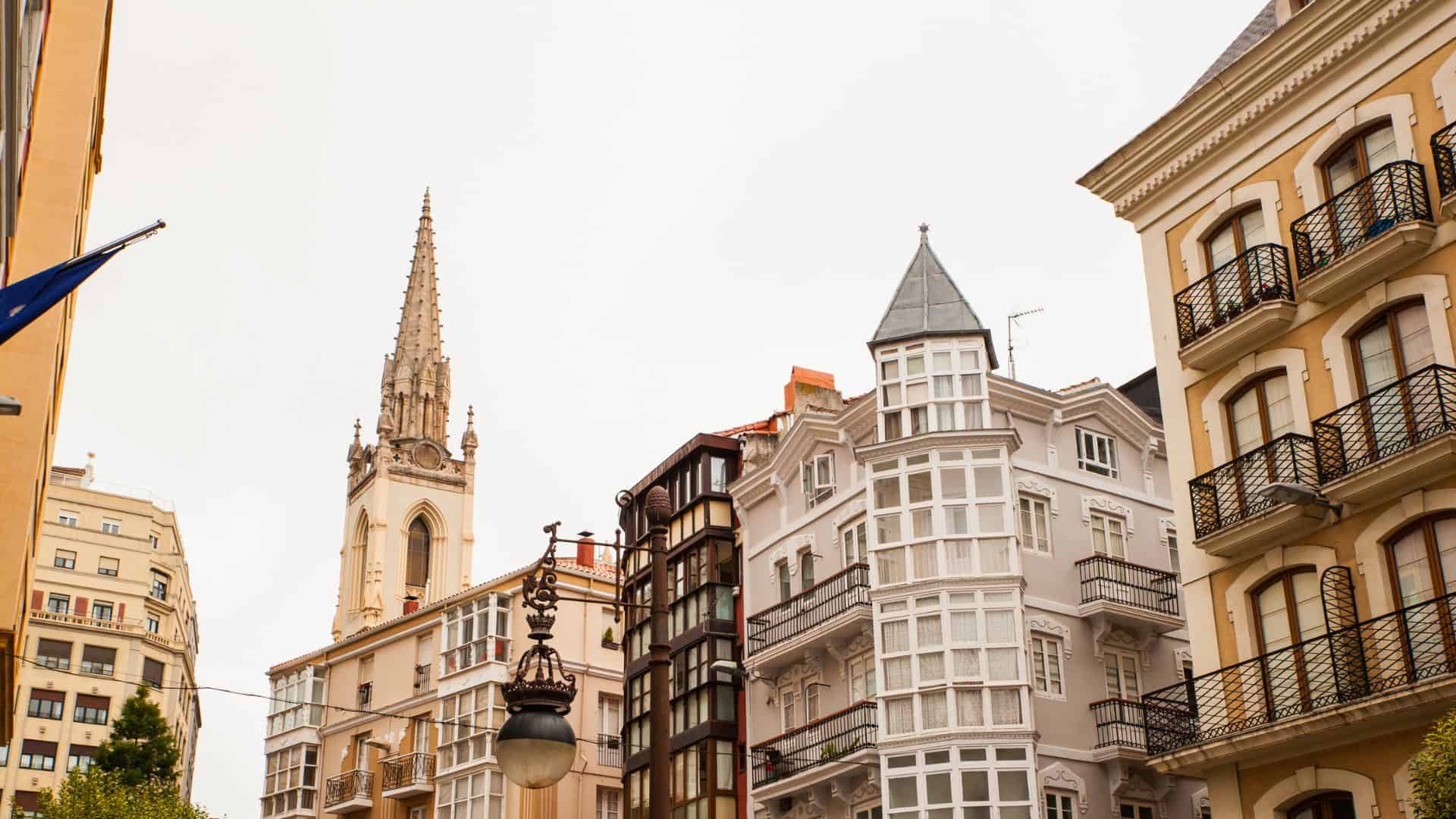
The Asturian cities of Oviedo and Gijón sit deep within the path of totality. Observers in this northern region witness the sun vanish for 1 minute and 48 seconds. These locations sit near the centerline, granting a longer duration than the Galician coast. The rugged "Costa Verde" landscape creates a green backdrop for the solar corona. Because the sun hangs very low, spectators should head to the beaches or high hills for a clear western view. The combination of Pre-Romanesque architecture and dramatic cliffs creates a distinct environment. Local parks act as gathering points for the international astronomical community here.
Burgos
Want to save this?
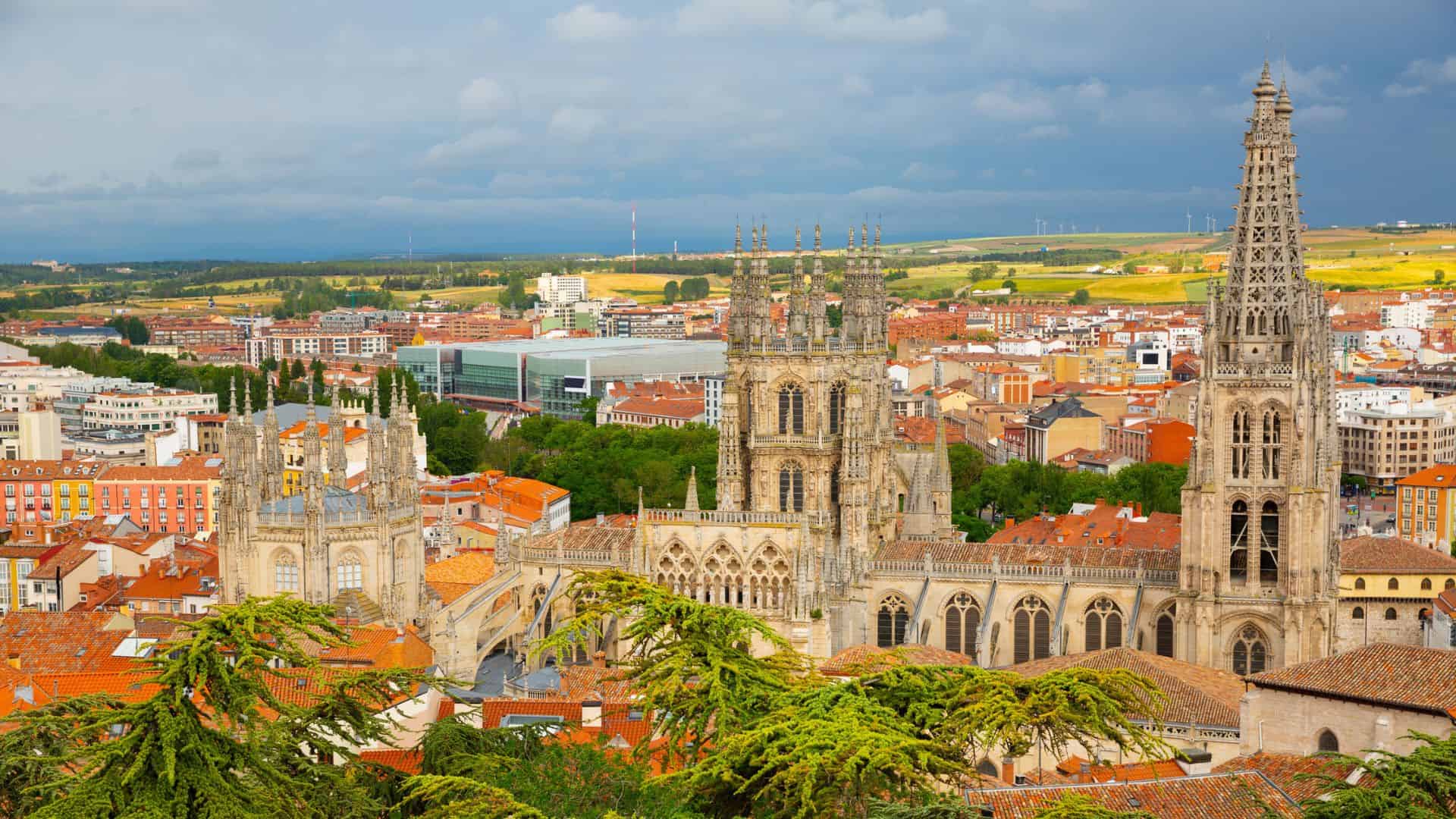
Burgos sits on the high plateau of the Meseta in northern Spain. Totality lasts 1 minute and 44 seconds in this historic city. The clear inland air typically yields a higher probability of cloudless skies compared to the northern coast. The massive Gothic cathedral serves as a focal point for the darkening sky. Because the landscape is flat and elevated, the low-hanging sun remains visible until the final moments of totality. This location attracts those seeking the best meteorological odds. The surrounding plains allow the moon's shadow to become visible as it approaches from the west at incredible supersonic speeds.
Valladolid
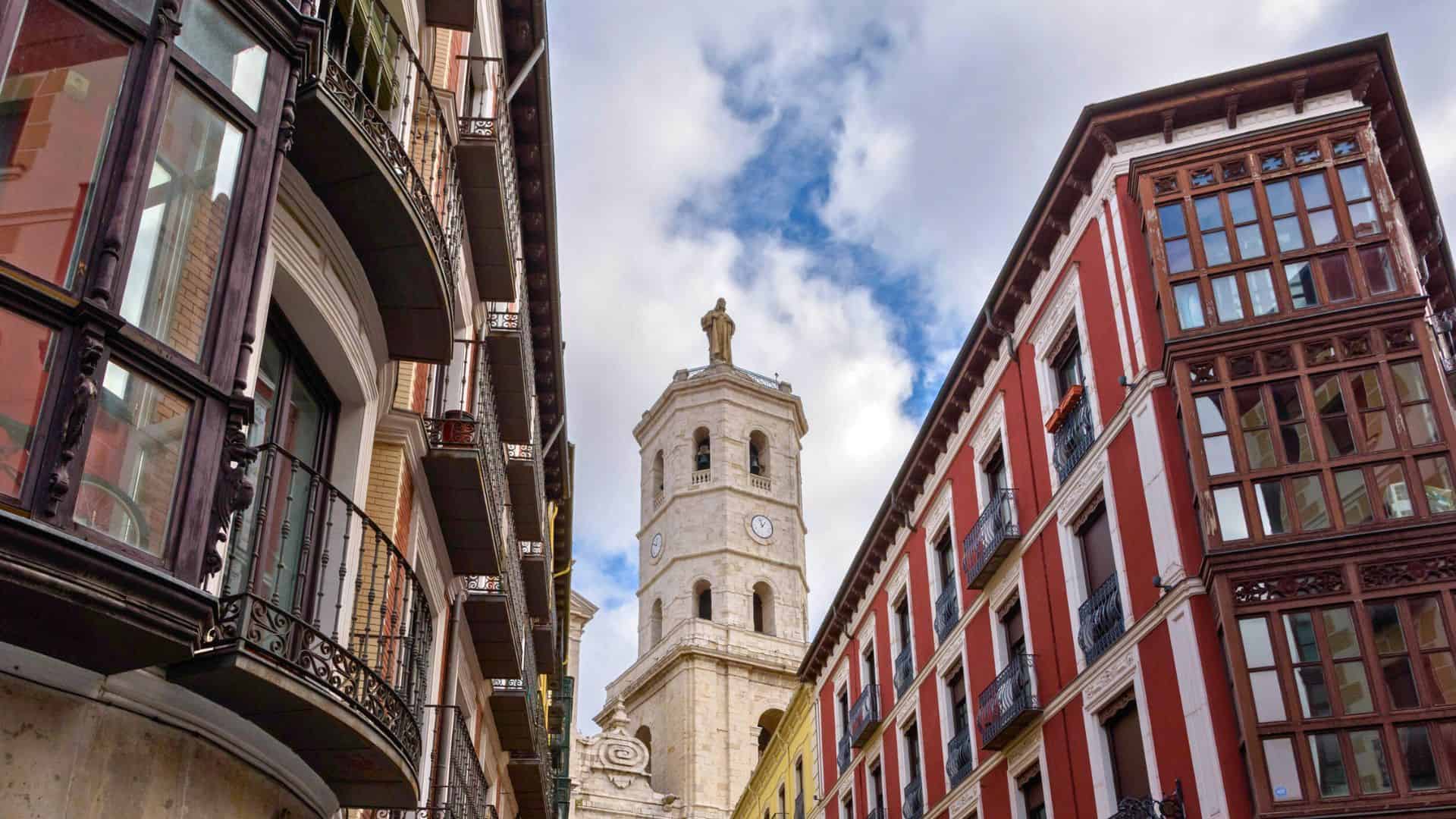
Valladolid occupies the heart of the Castile and León region. Totality duration reaches 1 minute and 28 seconds. This site is famous for its dry climate and vast, open fields. The lack of mountain ranges to the west helps maintain an unobstructed view of the sun during its final descent. For researchers and photographers, the stable atmospheric conditions make this a prime selection. The shadow of the moon creates a 360-degree sunset effect across the horizon. As the temperature drops, the stars become visible over the Spanish plains. This city represents a strategic hub for all mobile eclipse chasers now.
Zaragoza
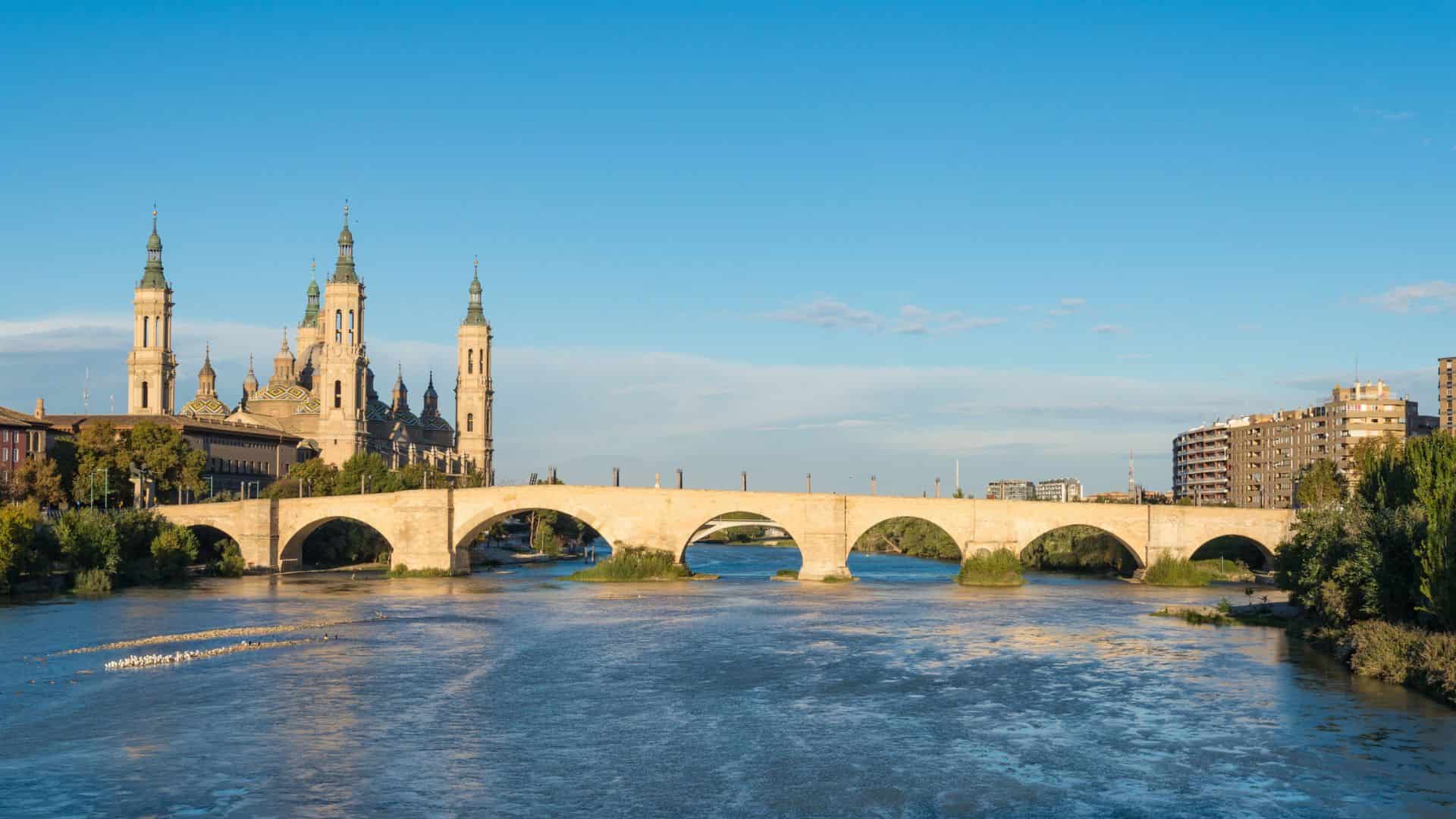
Located in the Ebro Valley, this inland city features some of the most stable weather patterns in the country. Observers here will experience a totality duration of 1 minute and 25 seconds. The Basilica of Our Lady of the Pillar creates a massive silhouette against the fading solar corona. High probability of cloudless skies makes this a top-tier choice for researchers. Because the sun sits extremely low, the wide riverbanks of the Ebro grant the necessary clear sightlines. Watching the sky turn into a deep indigo over the historic stone bridges creates a powerful memory for every visitor present.
Castellón de la Plana
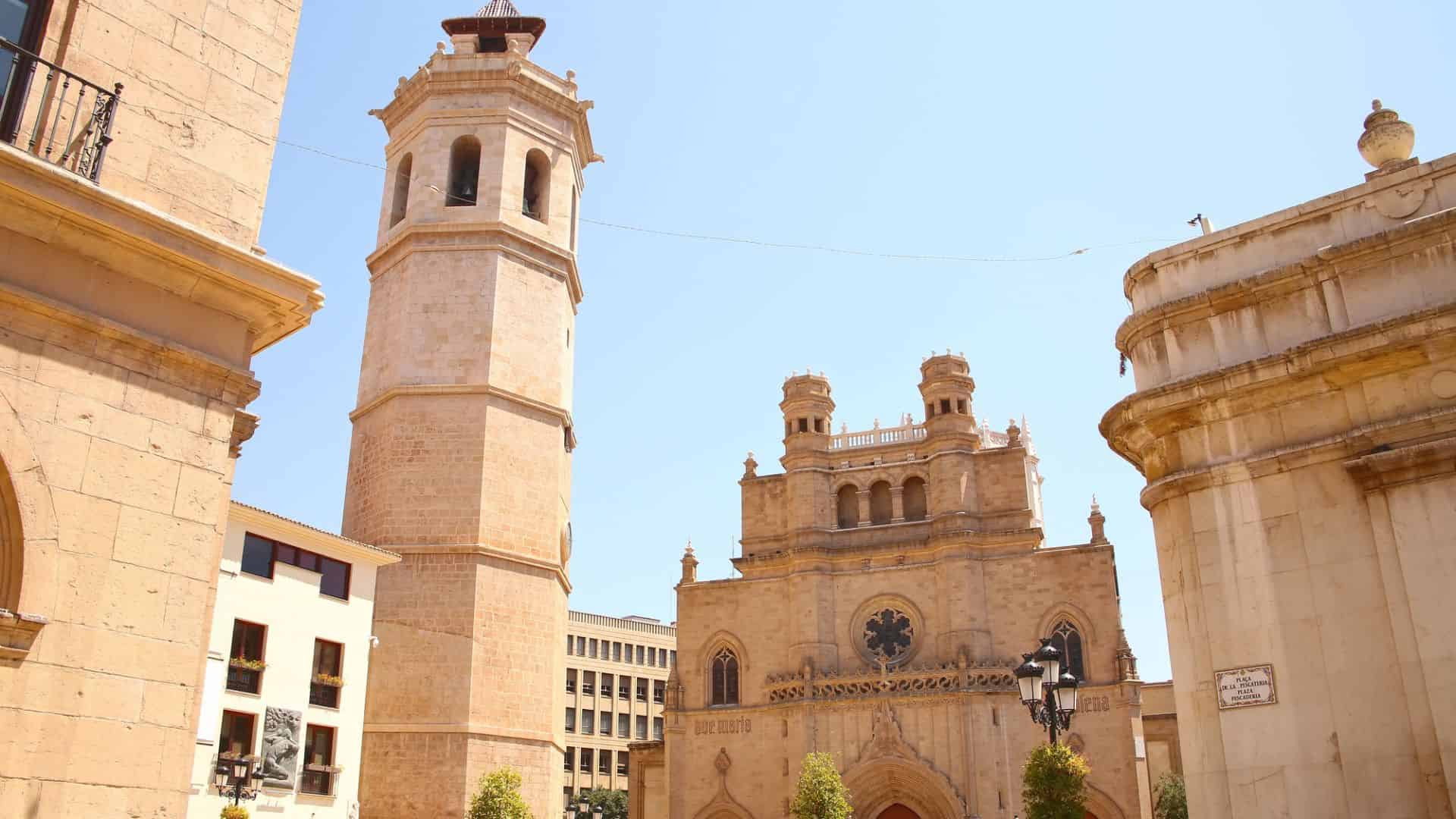
Positioned along the eastern Mediterranean coast, this port city sits squarely within the path of totality. Residents and visitors witness the sun vanish for 1 minute and 24 seconds. The proximity to the sea creates a cooling effect as the moon blocks the solar heat. Because the eclipse occurs near sunset, the horizon displays a 360-degree twilight glow. Many people gather at the local beaches to watch the moon’s shadow sweep across the water. This region has a high density of clear days in August. It represents a prime spot for those wanting a coastal experience without island travel.
Palma de Mallorca
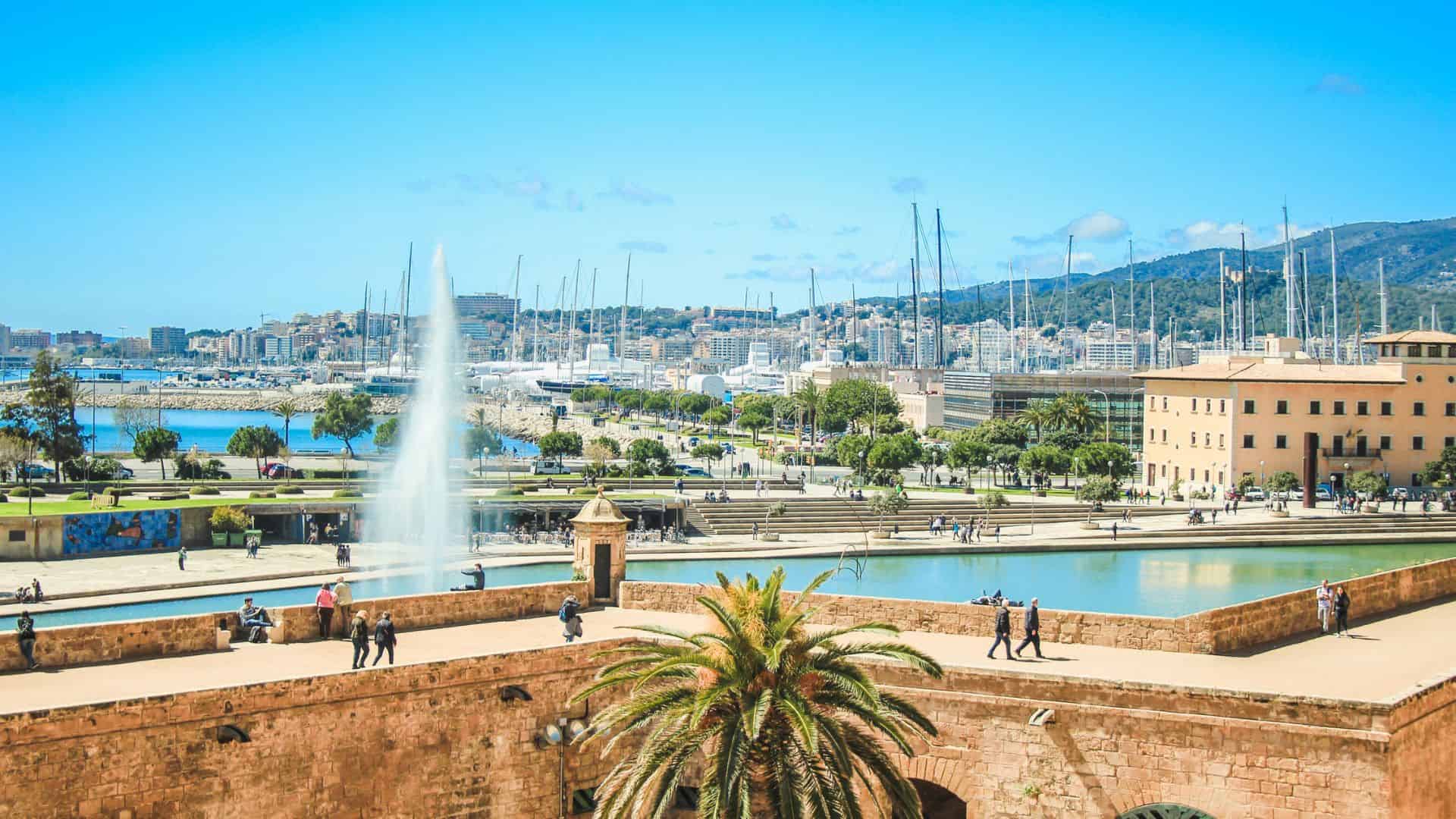
As the moon’s shadow reaches the Balearic Islands, this Mediterranean jewel witnesses the final moments of the event on European soil. Totality lasts 1 minute and 36 seconds at this location. Because the sun sits just degrees above the horizon, the corona appears magnified by atmospheric effects. The Tramuntana mountains act as a dramatic frame for the darkening sky. Looking out across the sea, spectators can see the shadow approaching from the mainland. This island location gives a distinct advantage for those wanting to see the diamond ring effect against a deep orange sunset backdrop.
Eyes on the Sky
By the time the 2026 total solar eclipse arrives, the planning will feel worth it. Choosing from 11 places to catch the 2026 total solar eclipse in Spain and Iceland isn’t about chasing hype. It’s about putting yourself where the moment can unfold without distractions. When the light drops and the sky shifts, everything else fades fast. That shared pause, whether with a crowd or in quiet space, is what people remember.
After the sun returns, the feeling lingers. Photos help, but they never fully explain it. What stays with you is how still it felt, how fast it happened, and how glad you were to be there. Spain and Iceland both bring great settings for that kind of memory. The best choice is the one that fits how you like to travel and how you like to watch the world slow down. Plan smart, stay flexible, and let the sky handle the rest.
10 Hidden Gems in Spain Every Traveler Should See Once
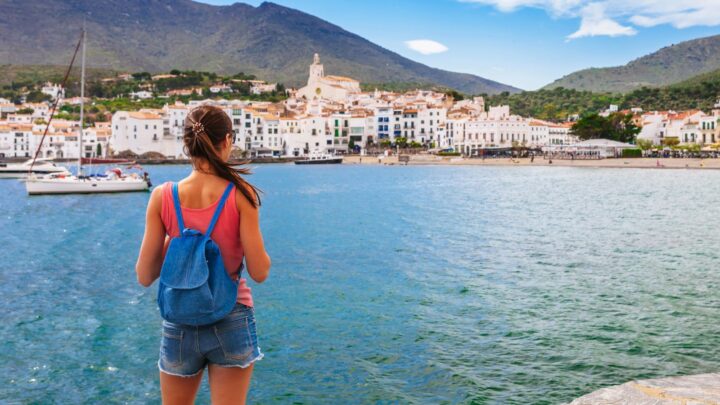
Spain is known for its famous cities like Madrid, Barcelona, and Seville—but beyond these popular destinations lie hidden gems waiting to be discovered. The hidden gems in Spain every traveler should see once reveal a different side of the country—quieter towns, historic villages, and scenic landscapes that showcase its charm beyond the crowds. These places highlight Spain’s local culture, architecture, and natural beauty, giving visitors a more personal and authentic experience while still being easy to explore.
Read More Here: 10 Hidden Gems in Spain Every Traveler Should See Once
10 Best Countries for Micro-Retirements and Long-Stay Sabbaticals
Micro‑retirements are about taking time off before life forces you to. This kind of break isn’t dramatic or reckless. It’s a practical choice for people who want control over their time and energy. When done right, it feels steady, clear, and great rather than rushed or uncertain. That's why I compiled this list of 10 countries for micro-retirements and long-stay sabbaticals.
Read More Here: 10 Best Countries for Micro-Retirements and Long-Stay Sabbaticals