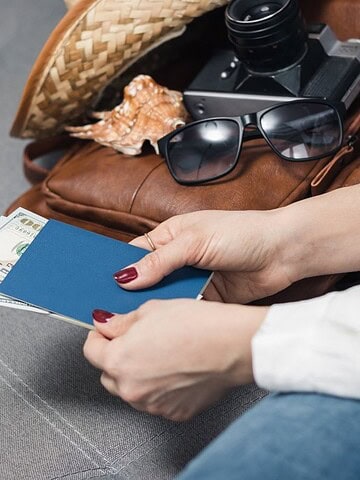
Family trips are supposed to be fun, but anyone with more than one kid knows they can quickly turn into a test of patience. Long car rides, waiting in lines, or sharing tight spaces can spark arguments faster than you can grab the sunscreen. It’s not that siblings suddenly dislike each other; it’s just that being together nonstop can push buttons. But there are 10 ways to keep siblings from fighting on vacation.
Yes, you heard it right. There are simple ways to keep things calmer without turning into a referee the whole time. A few smart habits before and during the trip can make a great difference in how kids get along. Vacations should be about exploring new places and enjoying time as a family, not breaking up fights every ten minutes.
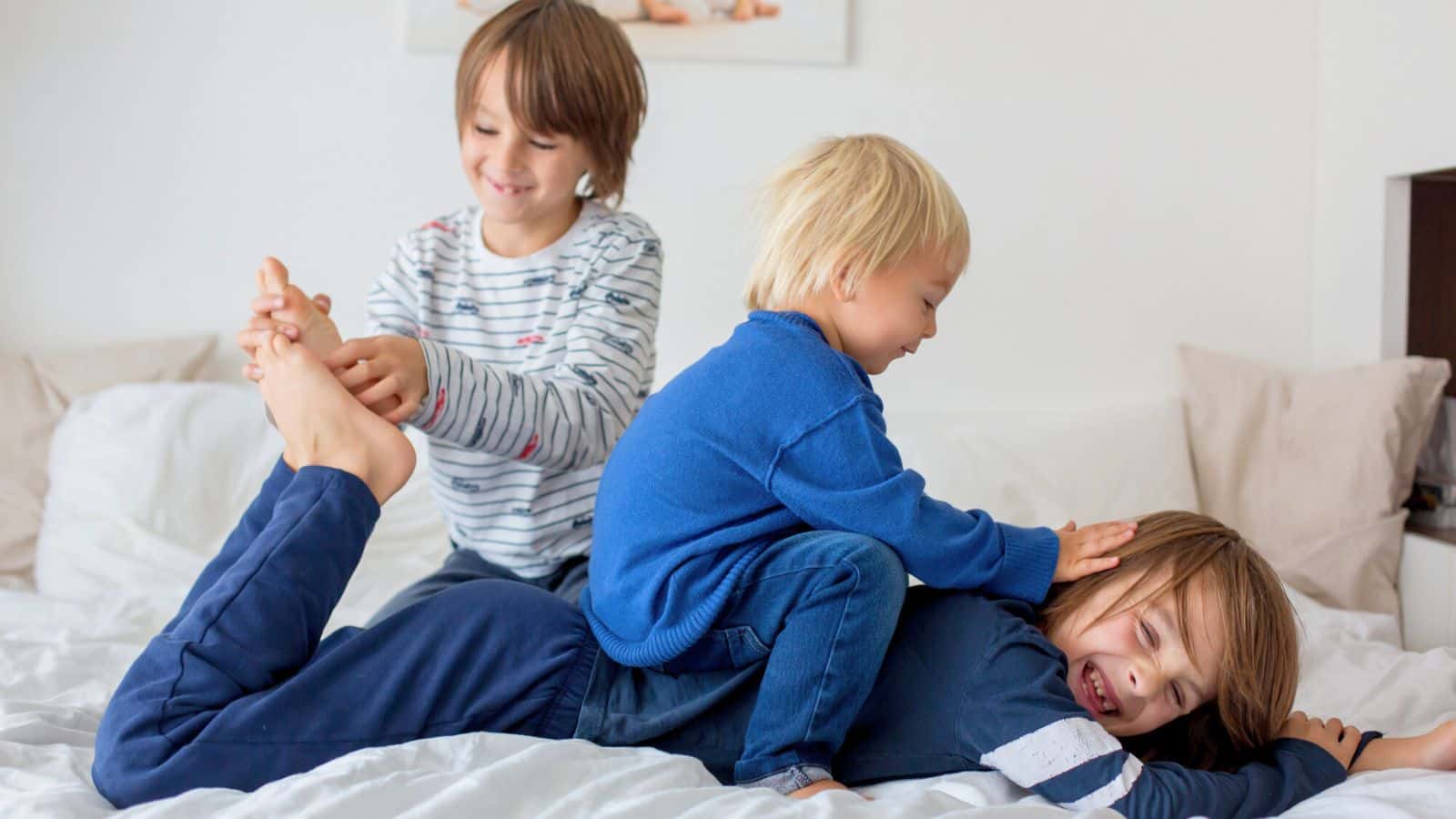
Set Clear Expectations Early

Before leaving for the trip, it helps to sit down with your children and explain what kind of behavior you expect. Kids thrive when they know the rules ahead of time, and this can prevent many conflicts. Talk about sharing, respecting each other’s belongings, and using kind words. You can also explain what will happen if rules are broken, such as losing screen time or sitting apart for a while. When expectations are clear, children are less likely to test boundaries constantly. This preparation creates structure, which can make the vacation smoother and more peaceful.
Give Each Child Personal Space

Even though vacations often mean lots of shared time, it’s important to allow kids moments for themselves. Sharing a hotel room or long car rides can lead to tension if they never get a break. Encourage each child to take short periods to read, draw, listen to music, or simply relax without interruption. This helps them recharge and reduces irritability. Personal space doesn’t always mean physical distance—it can also mean having a small activity that feels like their own. Respecting these moments teaches children that it’s okay to need quiet time, which reduces arguments and stress.
Rotate Seating Arrangements
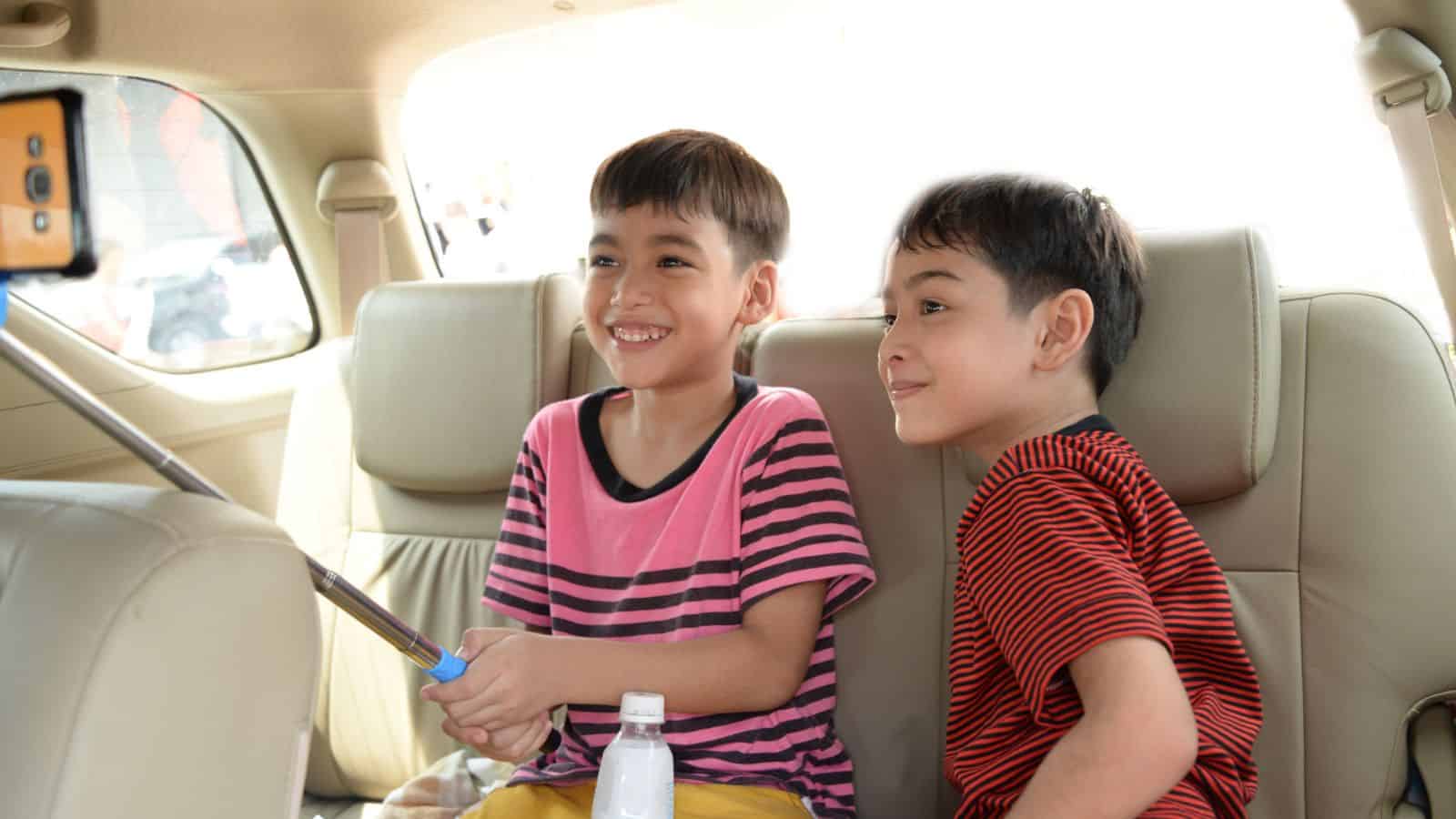
One of the most common triggers for sibling fights is who gets to sit where—whether in the car, on a plane, or even at a dinner table. By rotating seats regularly, you remove the sense of competition. For example, one child can sit by the window on one leg of the trip, and the other gets it next time. This system feels fair and predictable, reducing arguments over “best spots.” You can even make a simple chart before the trip to avoid confusion. By planning ahead, you create balance and help siblings feel that their needs are respected.
Plan Activities They Both Enjoy
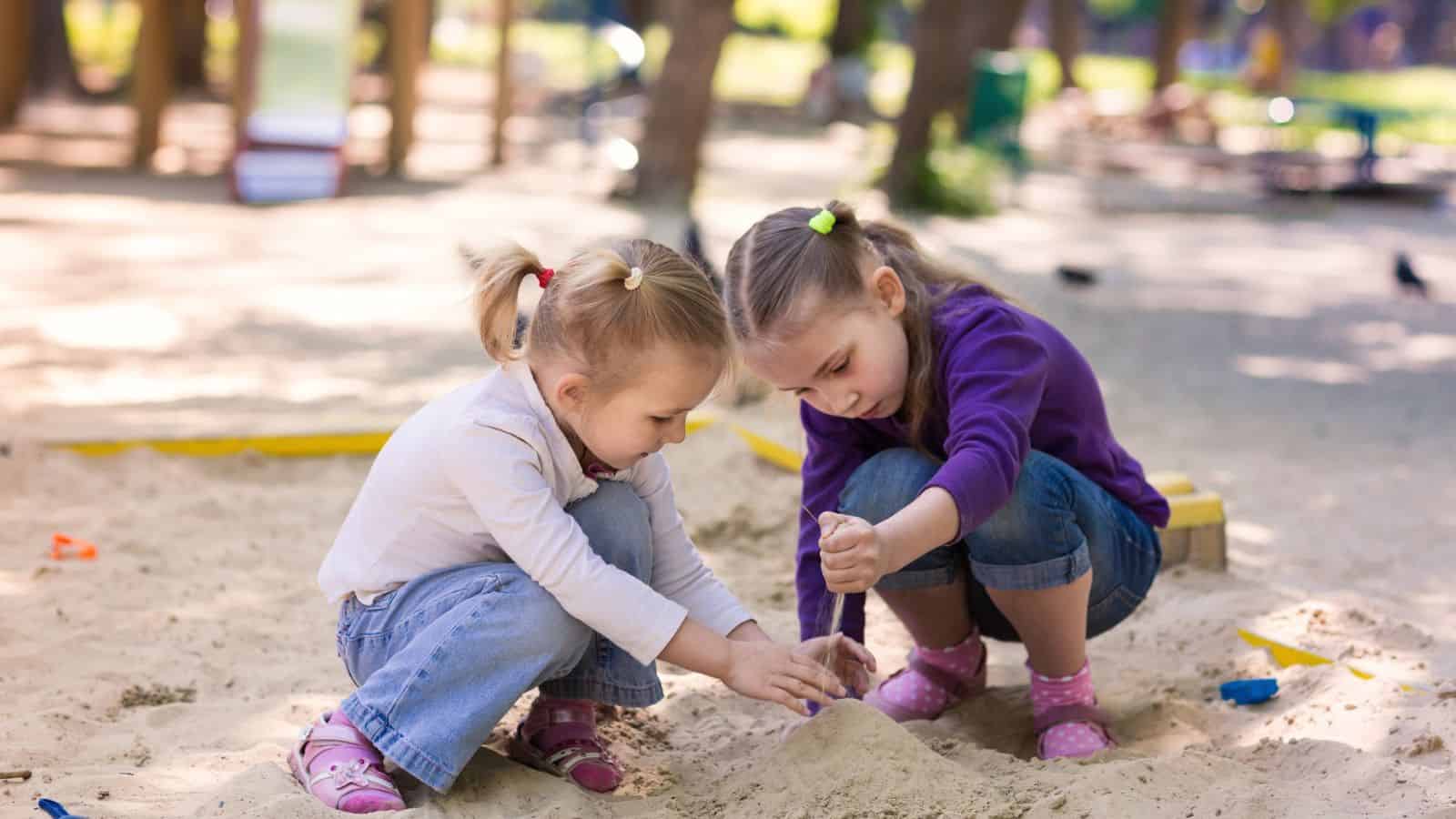
Vacations work best when everyone feels included. If the schedule only reflects one child’s interests, the other may get frustrated and act out. Take time to choose activities that both children can look forward to, whether it’s swimming, exploring a park, or playing a family game. You can also let them take turns picking something for the day, which builds a sense of fairness and cooperation. When kids are engaged in activities they like, they’re less likely to fight out of boredom. Thoughtful planning helps create a sense of teamwork and keeps the focus on having fun together.
Use Teamwork Challenges
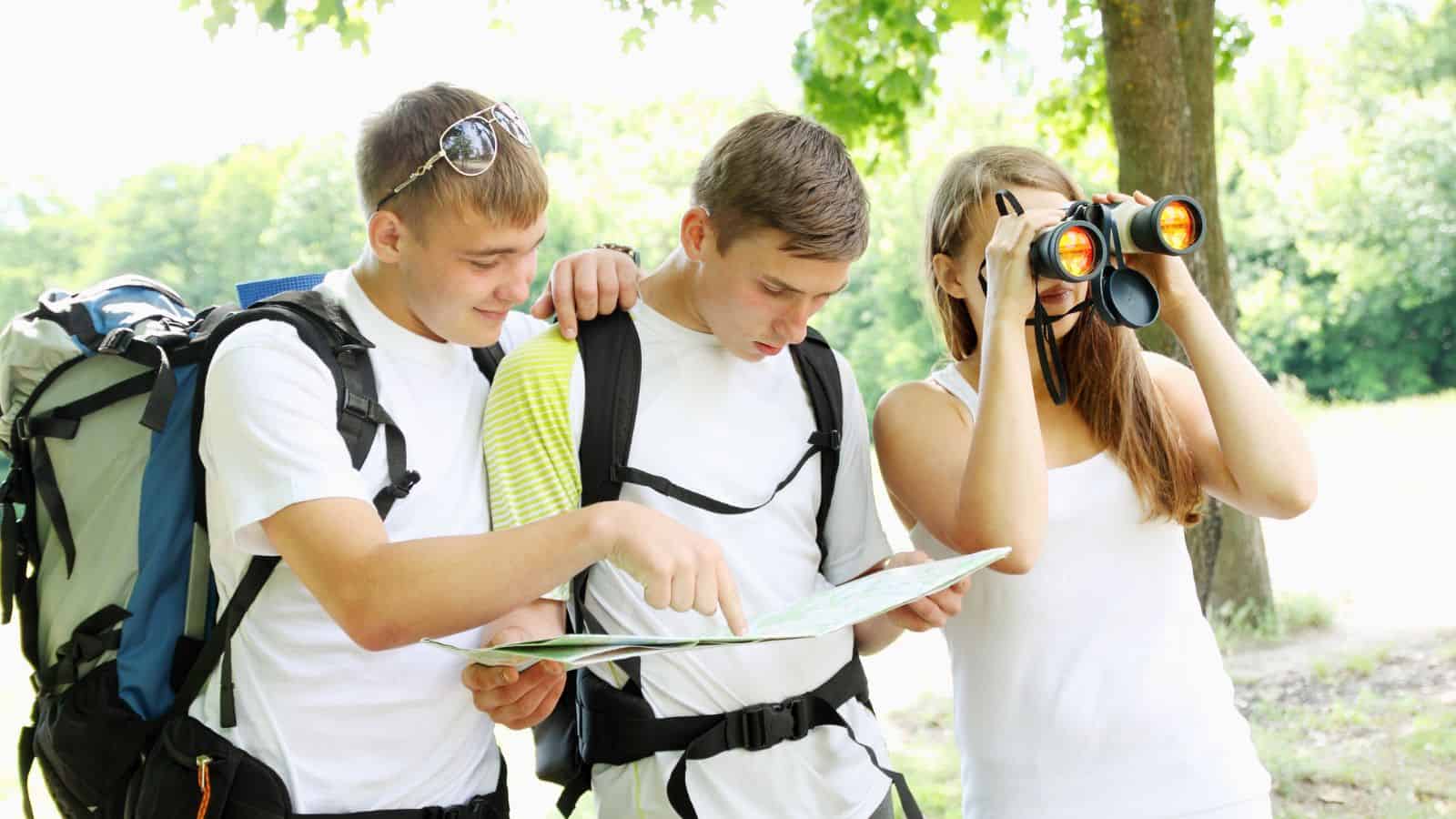
Encouraging siblings to work together can transform their relationship during a trip. Instead of competing, they learn to rely on each other to reach a goal. You might set up a scavenger hunt, assign them to take photos together, or ask them to help plan part of the day. These challenges create opportunities for collaboration and shared success. When kids see that cooperation leads to rewards—like finishing a game or earning a small treat—they begin to view each other as partners rather than rivals. Teamwork builds stronger bonds and reduces the urge to argue over small issues.
Want to save this?
Pack Distraction Tools
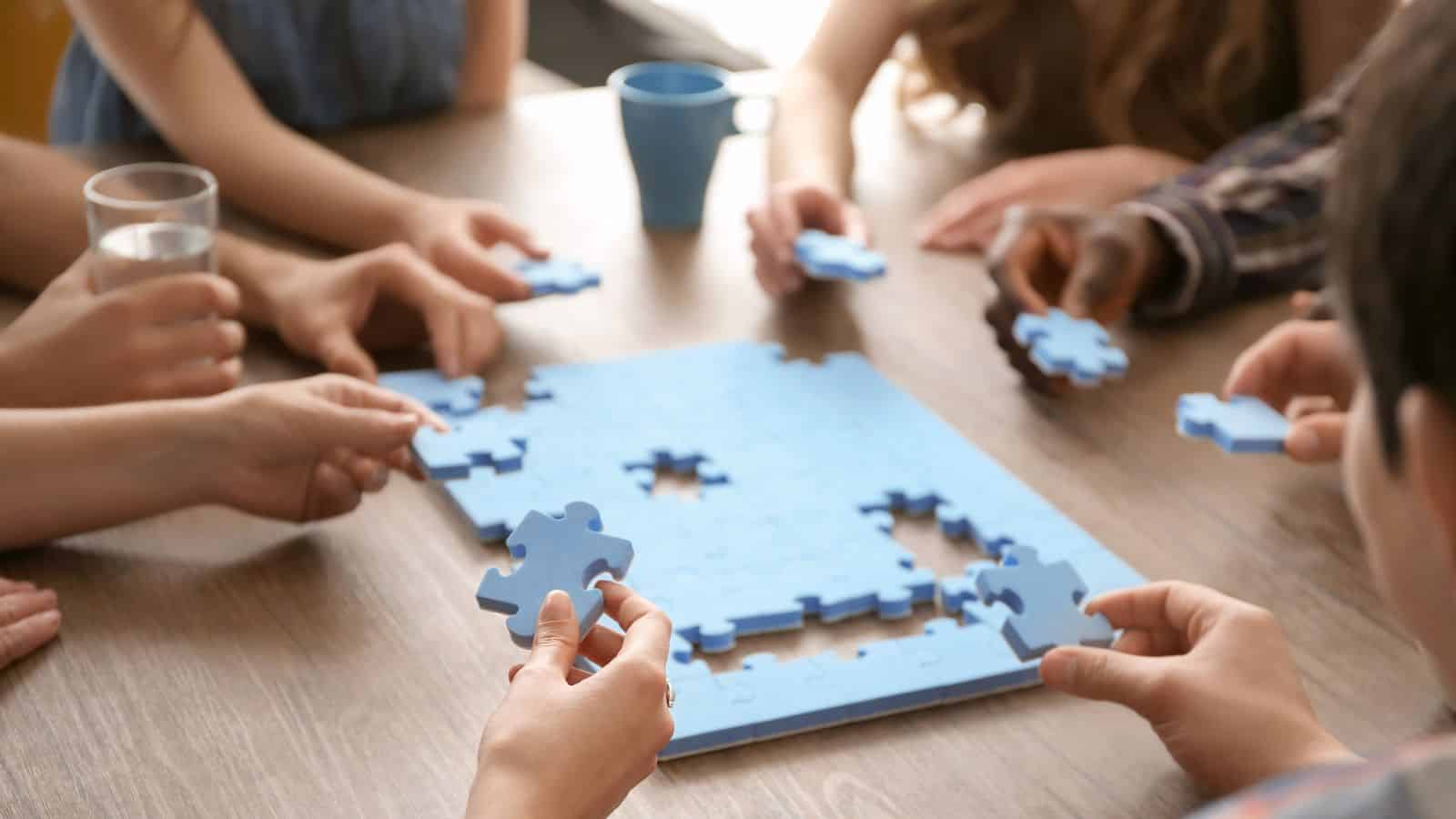
Long travel days or waiting in lines can spark boredom, which often leads to bickering. Having a variety of distraction tools ready can prevent small annoyances from turning into arguments. Bring books, coloring supplies, puzzles, headphones, or handheld games. These items give children something to focus on when patience runs thin. You can even create small surprise bags with new activities for different parts of the trip. When kids are engaged, they’re less likely to poke at each other out of restlessness. A little preparation in this area can save a lot of stress later on.
Acknowledge Fairness

Children often argue when they feel that things are unfair, whether it’s about treats, turns, or responsibilities. By paying attention to fairness, you can reduce these conflicts. Try to divide snacks evenly, alternate who chooses activities, and share responsibilities like carrying small bags. When kids see that their needs are valued equally, they feel respected and less likely to complain. You can also explain your decisions clearly so they understand the reasoning behind them. Consistency matters here—when fairness is part of the routine, siblings are less inclined to compete or compare themselves constantly during the trip.
Praise Positive Interactions
It’s easy to notice fights, but just as important to highlight the moments when siblings are kind to each other. Praising cooperation, sharing, or gentle words reinforces those behaviors. A simple comment like, “I love how you worked together on that game,” can make a big difference. Children often repeat actions that earn positive attention, so focusing on good behavior can shift the dynamic. You could even create a small reward system for teamwork during the trip. By celebrating kindness, you encourage siblings to see each other in a positive light, reducing the likelihood of constant arguments.
Build in Downtime

Vacations can be exciting, but too much activity without breaks can leave kids tired and cranky. Fatigue often leads to bickering, so scheduling downtime is important. This could mean a quiet afternoon at the hotel, a calm picnic instead of another long tour, or simply an early bedtime. Downtime helps children recharge, giving them the energy to handle new experiences without snapping at each other. Parents also benefit from these pauses, making the trip easier for everyone. By balancing busy adventures with restful moments, you create a calmer atmosphere where siblings are less likely to clash.
Stay Calm and Neutral

When fights do break out, the way adults respond can either calm the situation or make it worse. Staying calm and neutral helps prevent escalation. Instead of taking sides, guide both children to express their feelings and look for solutions. You might say, “Let’s figure out how we can solve this together,” rather than blaming one child. This teaches problem-solving skills and shows that yelling won’t get results. By modeling patience and fairness, you set the tone for how conflicts should be handled. Over time, siblings learn that cooperation works better than constant arguing.
Less Bickering, More Memory-making
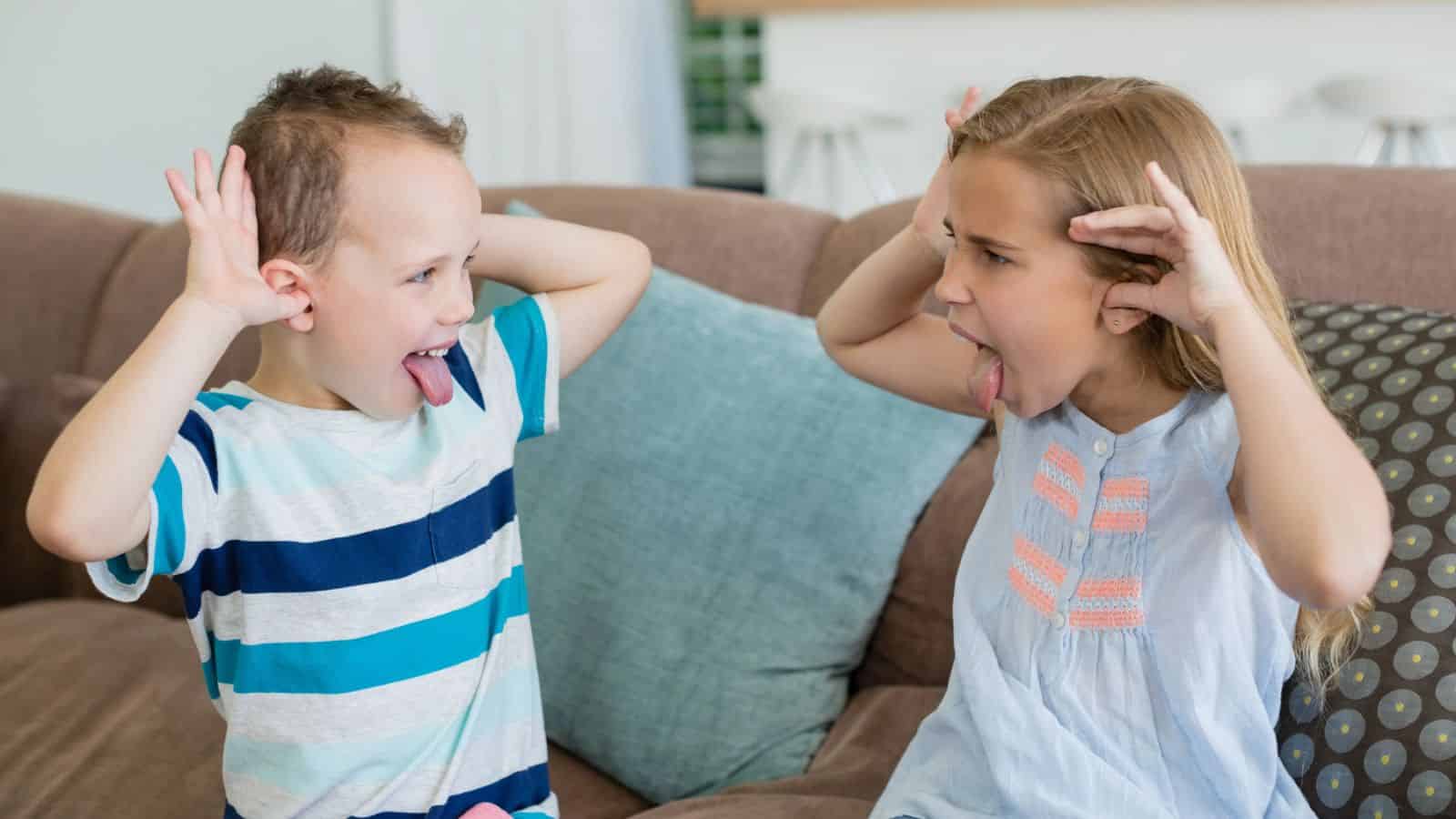
Vacations don’t have to be perfect to be memorable. There will always be little bumps along the way, but when kids learn how to get along, the trip feels a lot lighter for everyone. Keeping the peace isn’t about shutting down every disagreement; it’s about giving siblings the tools and space to work through things without constant blowups. That way, the focus stays on the fun parts of the journey.
At the end of the day, the point of a family trip is to come back with stories, laughs, and maybe even a few inside jokes. If you can cut down on the battles and boost the teamwork, you’ll head home with more great memories and fewer headaches. And honestly, that’s what makes a vacation worth it.