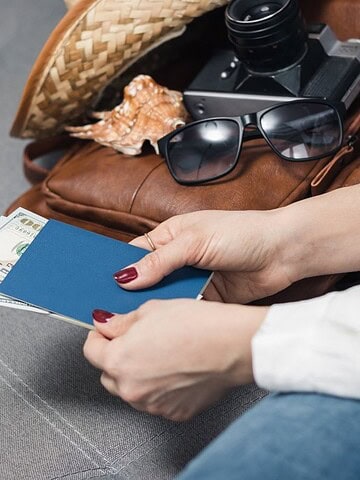
Packing smart is key for smooth travel, especially when heading abroad. There are certain things you should always pack before a trip to the United States to make your journey more comfortable and stress-free. From travel documents and proper adapters to weather-ready clothing and essentials for long flights, being prepared helps avoid last-minute hassles. The U.S. is diverse in climate, culture, and experiences, so bringing the right items can make exploring both big cities and scenic landscapes easier.
With these must-have items, travelers can move confidently knowing they’re ready for anything from airport security checks to unexpected weather changes. Preparation doesn’t just save time—it also makes the whole trip more enjoyable and less stressful. Before heading out, double-check your bags and make sure these essentials are with you. Having them on hand can help you focus less on logistics and more on enjoying the experience. So, get your checklist ready, pack smart, and start your adventure in the United States fully prepared.

Valid Passport and Visa/ESTA

Your passport is the single most important item you’ll need when traveling to the United States. Check that it’s valid for at least six months beyond your planned stay, as many airlines and border officers enforce this rule. Depending on your nationality, you may also need a visa or ESTA (Electronic System for Travel Authorization) approval before boarding your flight. Print out your approval or confirmation details and keep them handy in case you’re asked at check-in or immigration. It’s also wise to store a photocopy or digital backup in a secure location. Without these documents in order, your trip could come to a halt before it even begins.
Travel Insurance Documents

Health care in the United States can be costly, so having travel insurance isn’t just a precaution—it’s a necessity. Carry your insurance card, policy details, and any emergency contact numbers with you. Many travelers keep both a digital and paper copy for easy access. Insurance may cover more than medical emergencies, too, such as lost luggage, delayed flights, or unexpected cancellations. When an issue arises, quick access to these documents can make the process much smoother. Before leaving, review what your policy covers and how to contact your insurer from abroad. Having this ready brings peace of mind and helps you handle emergencies without unnecessary stress.
Credit/Debit Cards

The United States is largely a card-driven society, where even small purchases can be made with a tap or swipe. Visa, Mastercard, and American Express are commonly accepted, though it’s wise to carry more than one card in case one doesn’t work. Notify your bank of your travel plans so your transactions aren’t flagged as suspicious. Carry a mix of credit and debit cards to cover both purchases and ATM withdrawals. Some banks charge foreign transaction fees, so look into travel-friendly cards before your trip. While cash is still useful in certain situations like tipping or small markets, cards will likely be your primary way to pay.
Universal Power Adapter

The United States uses Type A and Type B plug types with a standard voltage of 110V, which may differ from what your devices use at home. A universal power adapter is a compact tool that saves you from scrambling for the right plug after arrival. It’s also worth checking if your electronics can handle the lower U.S. voltage; many laptops and phone chargers are dual voltage, but some hair dryers or straighteners may not be. Bringing an adapter with multiple USB ports can also simplify charging if you’re traveling with several devices. Having the right adapter keeps your electronics ready to use, from navigation apps to cameras.
Prescription Medications

If you rely on prescription medication, bring enough to last your entire trip, plus a little extra in case of travel delays. Keep medicines in their original labeled containers to avoid issues at customs, and pack them in your carry-on rather than checked luggage to prevent loss. It’s also important to carry a copy of your prescription, ideally with the generic drug name, in case you need to replace it while abroad. Some medications available elsewhere may not be stocked or approved in the U.S., so it’s best not to depend on finding them after arrival. Having everything in order helps you maintain your health throughout your journey.
Weather-Appropriate Clothing

Want to save this?
The United States covers a vast range of climates, so packing the right clothing is essential. A trip to New York in January feels nothing like Los Angeles in July, and the weather can shift quickly depending on the region. Research the specific cities and states you’ll be visiting, as well as the season, to guide your choices. Layers are always a smart option because they allow you to adjust throughout the day. A lightweight jacket may be enough in mild areas, while a heavy coat and gloves are necessary in colder states. Don’t forget swimwear if you’re heading somewhere coastal or warm. Versatile pieces will make your suitcase lighter while still keeping you prepared.
Reusable Water Bottle

Traveling can be exhausting, and staying hydrated makes a big difference. Carrying a reusable water bottle helps you refill throughout the day at airports, hotels, or public fountains, which are common in many U.S. cities and parks. Beyond convenience, it also helps reduce plastic waste since single-use bottles add up quickly. Some bottles have built-in filters, which can be useful if you’re uncertain about local water sources during road trips or hikes. Choose a sturdy bottle that fits easily into your bag or backpack and won’t leak during flights. Having water close by keeps you comfortable while exploring busy cities, long highways, or national parks.
Comfortable Walking Shoes

The U.S. is a country you’ll want to explore on foot, whether you’re weaving through city streets, wandering museums, or venturing into national parks. Comfortable walking shoes will make all the difference during long days. Many American cities are best experienced by walking, and you may cover more distance than expected. Look for shoes that balance support and durability, and consider packing a second pair so you can rotate if one gets wet or worn. Sneakers work well for most urban settings, while hiking shoes might be necessary for outdoor adventures. Having footwear that won’t leave you with sore feet allows you to focus on the places you’re visiting.
Travel SIM Card or Portable Wi-Fi Device

Staying connected while in the U.S. makes navigation, communication, and planning much easier. A travel SIM card can be purchased before your trip or at airports and stores upon arrival, giving you local data and call access without steep roaming charges. If your phone is locked to your carrier, a portable Wi-Fi device is another reliable option for internet access. This can be especially useful if you’re traveling with family or in a group since multiple devices can connect at once. Having reliable connectivity helps with everything from calling rideshares to checking restaurant reviews and staying in touch with loved ones back home.
Copies of Important Documents

Losing a passport or ID abroad can quickly turn a trip stressful, which is why carrying copies is a smart backup. Make both digital and paper versions of key documents like your passport, visa, travel insurance, and flight details. Store one set separately from the originals, such as in a different bag or hotel safe. Keep digital versions on your phone and cloud storage for easy access. These copies can speed up replacement processes at consulates or help confirm your identity if something goes missing. Having backups adds an extra layer of security and reassurance while traveling through the United States.
15 Most Chaotic Cities That Tourists Should Think Twice About

Which chaotic cities do you know about? Traveling to vibrant cities can be exciting, but there are 15 most chaotic cities that tourists should think twice about. These destinations are known for their overwhelming crowds, intense traffic, and a pace of life that can be disorienting for visitors. While they may offer unique experiences and attractions, the chaos can also lead to stress and frustration, making them less appealing for some travelers.
Read More Here: 15 Most Chaotic Cities That Tourists Should Think Twice About
Top 10 Shockingly Cheap Countries To Live In

Ever wondered which countries are budget-friendly to travel to? Living abroad doesn’t have to cost a fortune. In fact, some countries are so affordable that you might find yourself living better for less. Whether you’re dreaming of vibrant cities, laid-back beach towns, or scenic mountain retreats, there are places where life can be great without blowing through your budget.
Read More Here: Top 10 Shockingly Cheap Countries To Live In