Unfamiliar cities can feel exciting, but they also come with small challenges that don’t always show up at home. Many travelers adjust their habits when navigating new places, especially when it comes to getting around, staying aware, and managing daily plans. These changes often come from past mistakes, confusing situations, or moments that felt harder than expected.
Adapting to a new city can make a big difference in how a trip feels. When routines shift to match the setting, days tend to run smoother and feel less stressful. Take a closer look at the habits travelers say they change in unfamiliar cities, compare them to current travel routines, and use the insights to feel more confident on the next trip.

They move slower at first
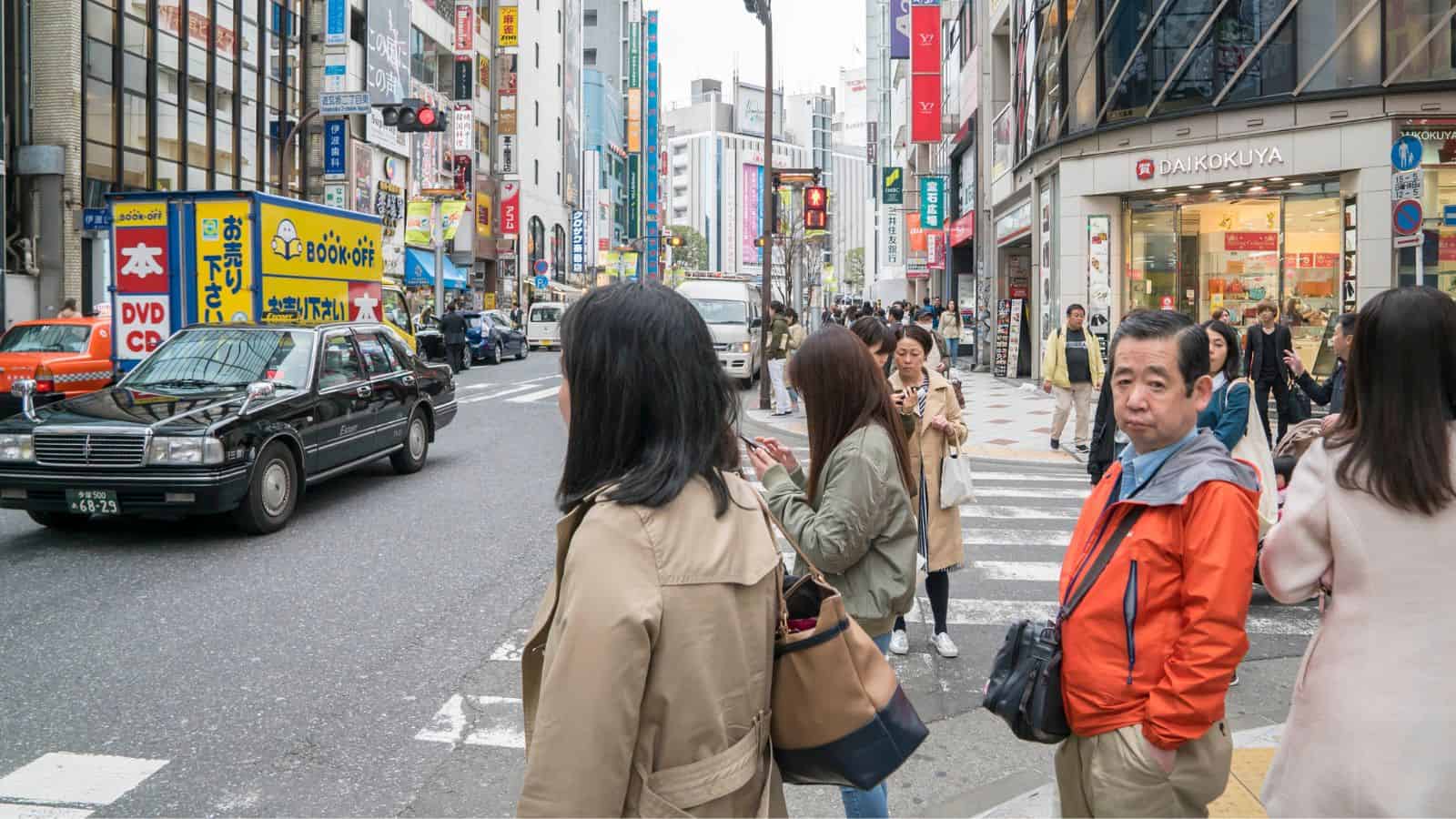
In an unfamiliar city, seasoned travelers resist the urge to cover ground quickly. They spend the first day or two walking shorter routes, observing how streets connect, and noting where activity concentrates. Moving slowly helps them register sounds, traffic flow, and social patterns that maps don’t show. This approach reduces mistakes like heading the wrong direction or misjudging distances. Slower movement also lowers stress after arrival, especially following long journeys. By easing into the environment, travelers build confidence gradually and make better decisions once they understand how the city actually functions.
They pick one clear base area
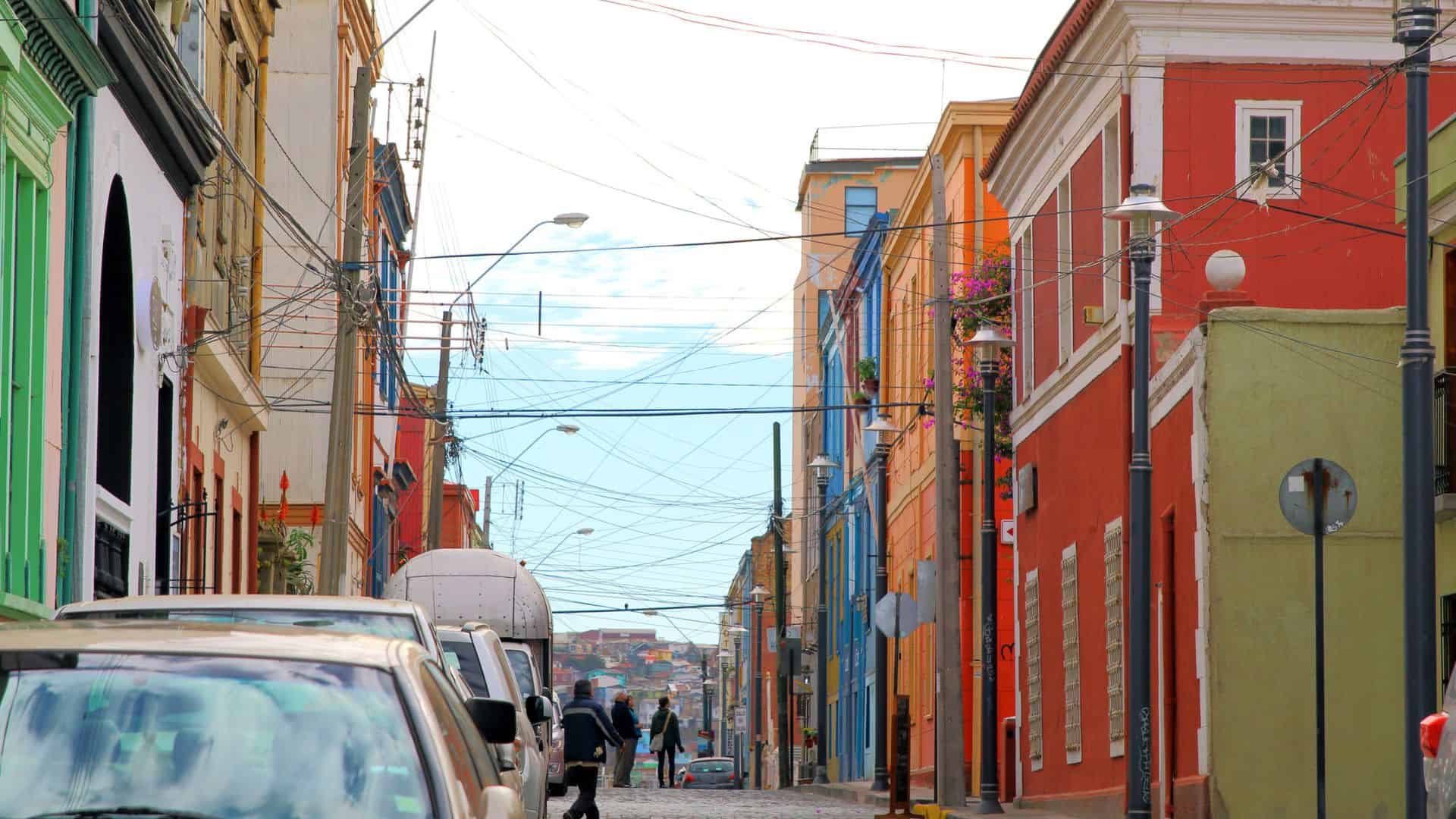
Rather than scattering plans across the city, travelers choose one neighborhood to learn well. This creates a sense of grounding in an otherwise unfamiliar place. Knowing where to find food, transit, and quiet streets reduces daily decision fatigue. A familiar base makes it easier to notice when something feels different or off. Travelers can branch out during the day and return to known territory at night. This strategy supports orientation and reduces unnecessary travel time, especially in cities with complex layouts or heavy traffic patterns.
They rely on landmarks, not just maps

Digital maps are helpful, but travelers also build mental reference points. Rivers, large parks, transit hubs, and main streets become anchors that help them understand direction and distance. Landmarks remain reliable even when phones lose signal or batteries run low. This habit develops after realizing that street names and turns blur together in new environments. Physical reference points create a clearer sense of place and reduce reliance on constant screen checks. Over time, travelers move with more confidence by recognizing where they are in relation to these fixed features.
They watch how locals move

Travelers pay attention to local behavior as an informal guide. Walking speed, where people cross streets, and which areas feel active or avoided all provide clues. Locals often signal the safest routes without saying a word. Observing transit use, crowd density, and daily timing helps travelers adjust their own movement. This habit replaces assumptions with observation. Travelers learn quickly that blending into local rhythms reduces attention and confusion. Watching others becomes a practical way to understand a city’s flow without needing detailed instructions.
They avoid late-night wandering early on

In the first days, travelers limit nighttime exploration until they understand lighting, transit reliability, and neighborhood transitions. What feels manageable during the day can change after dark. By waiting, travelers avoid getting disoriented or relying on unfamiliar routes when tired. This doesn’t mean staying indoors, but rather choosing familiar paths and areas close to their base. As confidence grows, nighttime movement becomes easier. This gradual approach reduces risk and stress while allowing travelers to expand their range once they understand how the city shifts after sunset.
They keep daily plans flexible

Want to save this?
In unfamiliar cities, travelers avoid locking each hour into place. They recognize that transit delays, weather changes, or simple fatigue can shift how a day unfolds. Flexible planning allows them to stay responsive rather than frustrated. Instead of rigid schedules, they outline one or two priorities and let the rest adjust naturally. This approach reduces pressure and keeps decision-making manageable. Flexibility also makes it easier to stay longer in places that feel right or leave areas that don’t. Travelers learn that adaptability often leads to better days than strict adherence to plans made before arrival.
They confirm transit details in real time

Travelers double-check routes and schedules on the same day they plan to move. Timetables change, routes get diverted, and service levels vary by time and day. Relying on saved screenshots or old searches can lead to missed connections or long waits. Real-time confirmation helps travelers avoid surprises and adjust plans early. This habit often develops after being stranded by outdated information. Checking current conditions builds confidence and keeps movement smoother, especially in cities where transit systems are extensive or where service differs on weekends and evenings.
They carry fewer valuables

In unfamiliar cities, travelers limit what they bring out each day. Instead of carrying passports, extra cards, or all electronics at once, they take only what’s needed. This reduces stress and simplifies awareness. Fewer items mean fewer things to monitor in crowded or distracting environments. Travelers often adopt this habit after realizing how easily attention can split between navigation and belongings. Carrying less also makes movement easier, whether walking long distances or using public transport. This choice supports focus and keeps daily outings lighter and more manageable.
They take mental notes, not constant photos

Travelers often reduce how much they document during their first days in a new city. Instead of stopping frequently for photos, they focus on noticing street layouts, landmarks, and patterns of movement. Mental notes help build orientation and awareness more effectively than viewing the city through a screen. This habit grows from realizing that constant documentation interrupts attention. Travelers may still take photos later, once they feel grounded. Early focus on observation helps them understand how places connect and where they are in relation to key points.
They trust discomfort as a signal

Experienced travelers listen closely to unease rather than talking themselves out of it. If a street feels wrong, directions seem unclear, or energy shifts unexpectedly, they change course without needing a clear explanation. This habit develops after learning that hesitation often appears before obvious problems. Trusting discomfort doesn’t mean fear-driven decisions; it means respecting subtle cues. Travelers allow themselves to pause, reroute, or return to familiar areas. Over time, this instinct becomes a practical tool for navigating unfamiliar environments with greater awareness and self-trust.
11 Affordable Destinations in Europe Perfect for Budget Travelers

Europe is often seen as an expensive continent to explore, but it’s still possible to experience the beauty, history, and culture without breaking the bank. Many countries across Europe offer affordable travel options for those who want to make the most of their trip without overspending. From charming cities to picturesque landscapes, Europe has plenty to offer on a budget. Whether it's staying in budget-friendly accommodations, enjoying delicious local food, or exploring free or low-cost attractions, these destinations allow travelers to experience the best Europe has to offer for less.
Read More Here: 11 Affordable Destinations in Europe Perfect for Budget Travelers
13 Tourist Behaviors That Create Real Problems in European Countries

Tourists play a vital role in the economy and culture of European countries, offering much-needed revenue and a chance for cultural exchange. However, certain tourist behaviors can cause significant issues for locals, from overcrowding at popular landmarks to disrespect for local customs and environments. Understanding and respecting local rules is crucial to creating a harmonious travel experience, both for visitors and residents alike.
Read More Here: 13 Tourist Behaviors That Create Real Problems in European Countries