Travel habits often change with experience, especially after a few trips that don’t go as planned. Seasoned travelers tend to move differently than beginners, not because they travel more often, but because they’ve learned what actually matters. From how they pack to how they plan each day, small choices help reduce stress and make trips feel smoother. These habits usually come from trial and error, missed connections, crowded attractions, and lessons picked up along the way. Over time, priorities shift from rushing through checklists to traveling with more intention and flexibility.
Traveling this way can make a noticeable difference. When expectations are clearer, and plans are looser, trips tend to feel calmer and more rewarding. With these habits in mind, it becomes easier to spot what helps and what holds a trip back. Take a closer look at the patterns experienced travelers follow, compare them to current routines, and use the insights to travel with more confidence on the next journey.

They plan fewer stops

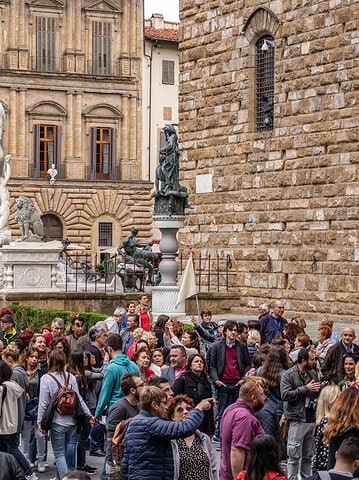
Seasoned travelers have learned that moving constantly creates fatigue that overshadows the place itself. Instead of hopping between cities every few days, they choose one or two bases and stay put longer. This allows daily routines to form naturally, reduces packing and transit stress, and makes setbacks easier to manage. Fewer stops also mean fewer rigid deadlines, which lowers pressure when transportation delays or weather changes occur. Travelers gain time to walk familiar streets, revisit the same café or park, and notice patterns that short stays rarely reveal. Depth replaces speed, making travel feel calmer and more grounded.
They choose timing over popularity

Experience teaches travelers that when they go matters more than where they go. Rather than following peak seasons, school holidays, or trending dates, seasoned travelers plan around quieter windows. This choice affects everything from transit flow to accommodation availability and daily movement. Fewer crowds mean smoother logistics and more control over pacing. Seasonal timing also shapes how places function, revealing daily rhythms that disappear during busy periods. Travelers prioritize months and weeks that align with weather stability and local routines instead of social media visibility or bucket-list pressure.
They book accommodations for location, not status

After multiple trips, travelers realize that where they stay affects daily life more than design or branding. Being close to groceries, transit stops, and walkable streets simplifies each day. Shorter distances reduce reliance on taxis or rigid schedules. Seasoned travelers look for places that let them step outside and immediately engage with the area rather than commute into it. Convenience replaces prestige as the deciding factor. A well-placed, modest stay often leads to smoother mornings, easier evenings, and less decision fatigue, shaping the entire trip more than luxury features ever could.
They leave space in the itinerary

With experience comes the understanding that full schedules rarely survive contact with reality. Seasoned travelers intentionally leave days or half-days unplanned. This creates room for rest, slow mornings, weather shifts, or extended time in places that feel right. Empty space also reduces anxiety when plans change, since adjustments no longer feel like failures. Flexibility allows travelers to respond rather than react, choosing how each day unfolds. Instead of chasing productivity, they allow trips to breathe. This shift transforms travel from a checklist into a series of adaptable moments shaped by energy and context.
They research neighborhoods, not just landmarks

Seasoned travelers know that landmarks occupy only a small part of daily life. Before arriving, they study neighborhoods to understand how areas differ in pace, layout, and access. This helps them choose better bases and avoid unnecessary travel each day. Knowing where locals shop, walk, and gather shapes more practical expectations. Neighborhood knowledge also reduces disorientation on arrival, since travelers already understand street patterns and nearby services. By focusing on everyday geography instead of headline attractions, travelers settle in faster and experience places through lived-in spaces rather than isolated highlights.
They travel lighter

Want to save this?
Seasoned travelers pack with movement in mind rather than contingency planning. Experience shows that carrying less simplifies nearly every part of a trip, from boarding transport to navigating streets and accommodations. Fewer belongings mean faster transitions, easier packing decisions, and less physical strain. Travelers also gain flexibility, since lighter bags make walking longer distances or changing plans far less taxing. Items are chosen for repeated use rather than “just in case” scenarios. Over time, travelers learn that most needs can be met on the road, and that simplicity reduces mental load as much as physical weight.
They prioritize rest days

Experienced travelers recognize that constant activity reduces awareness and energy. Rest days are planned intentionally, not treated as lost time. These pauses allow the body to recover and the mind to process new environments. A slower day might include short walks, reading, or staying close to the accommodation. Rest also improves the following days, making movement and observation sharper. Seasoned travelers understand that travel is not a test of endurance. Building recovery into the schedule leads to steadier pacing and fewer moments of burnout, especially on longer trips.
They avoid constant documentation

With time, travelers learn that recording every moment pulls attention away from being present. Instead of frequent photos or posts, seasoned travelers document selectively. This reduces pressure to frame experiences for others and keeps focus on direct observation. Fewer interruptions help memories form naturally, without the filter of a screen. Travelers still capture meaningful moments, but they no longer feel obligated to do so continuously. By stepping back from constant documentation, travel becomes less performative and more personal, shaped by attention rather than accumulation of images.
They return to places

Repeat visits change the way travel feels. Familiarity removes urgency and replaces it with confidence. Seasoned travelers return knowing how long things take, where to stay, and which areas feel right. This allows trips to unfold with less planning and fewer surprises. Returning also shifts attention toward everyday details rather than first-visit highlights. Streets, routines, and small preferences become clearer. Over time, places feel less like destinations and more like temporary homes. Returning deepens understanding and creates continuity that one-time visits rarely achieve.
They adapt plans quickly

Experience builds trust in the ability to adjust without panic. Seasoned travelers change routes, shorten stays, or extend time in one place based on energy, weather, or unexpected circumstances. Plans are treated as frameworks rather than fixed commitments. This mindset reduces frustration when things shift. Travelers focus on what works in the moment instead of what was planned earlier. Adaptability allows trips to remain balanced even when conditions change. Over time, flexibility becomes a core travel skill, supporting calm decision-making rather than rigid adherence to schedules.
15 Common Airport Mistakes You Might Be Making

Avoid these mistakes at all costs! Navigating an airport can be a stressful experience, and many travelers unknowingly make mistakes along the way. There are 15 common airport mistakes you might be making that can lead to unnecessary delays and frustration. From packing the wrong items to misjudging security lines, these blunders can turn an exciting trip into a hassle.
Read More Here: 15 Common Airport Mistakes You Might Be Making
13 Hacks for Comfortable Long-Haul Flights in Economy

Have a more comfortable flight with these tips! Long-haul flights in economy class can often feel cramped and uncomfortable, leaving travelers dreading the journey ahead. However, with the right strategies, it is possible to make these long trips more bearable. Here are 13 hacks for comfortable long-haul flights in economy that can help transform the flying experience into a more pleasant one.
Read More Here: 13 Hacks for Comfortable Long-Haul Flights in Economy