There’s something about standing at the edge of a peninsula that feels different from anywhere else. The land narrows, the road stretches forward, and suddenly you’re surrounded by water on almost every side. In this post about 10 stunning peninsulas, we’re talking about places that feel like the end of the earth, but in a calm and grounded way. These are not dramatic fantasy landscapes. They’re real places where the horizon feels wide, and the pace slows down.
Peninsulas are great for travelers who want open views and fewer crowds. You get cliffs, beaches, fishing towns, and long coastal drives all in one area. The sea is always nearby, and that changes the mood in a simple, clear way. It’s perfect for anyone who likes fresh air, long walks, and quiet moments without needing a packed itinerary. Sometimes, going to the edge is exactly what you need.
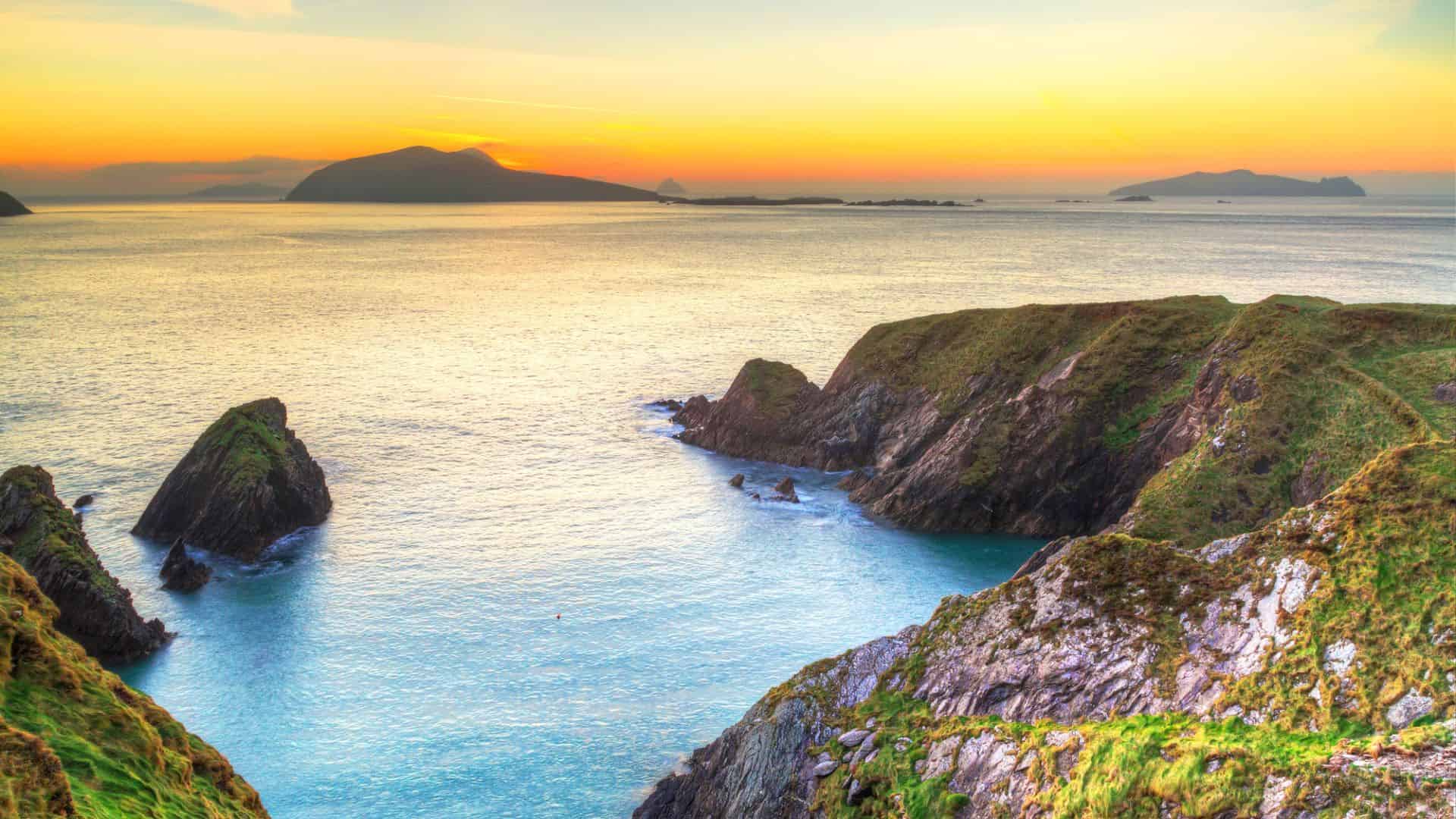
Lofoten Peninsula (Norway)
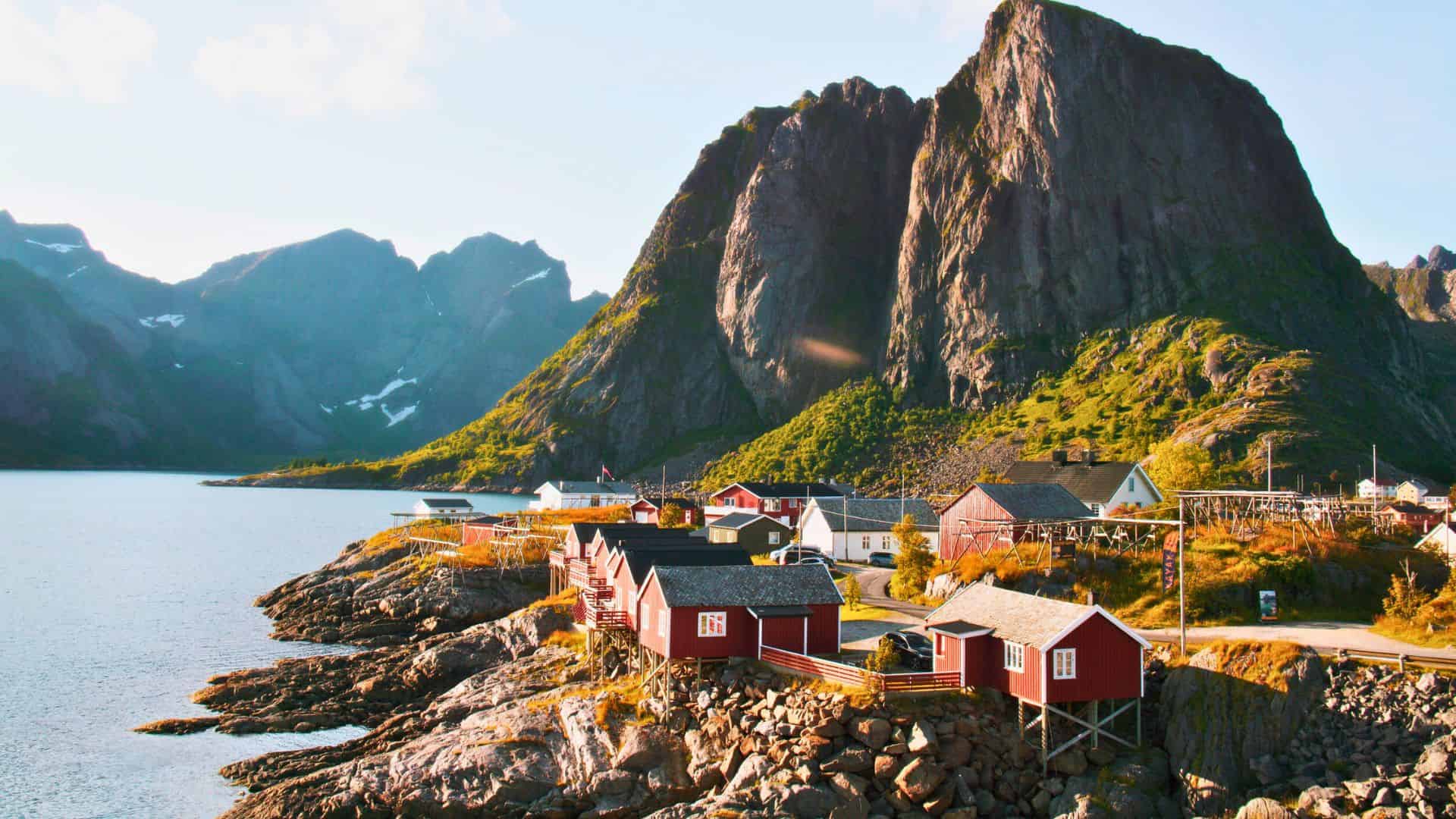
The Lofoten Peninsula thrusts jagged granite peaks straight from Arctic waters, forming a chain of islands linked by bridges and narrow roads. Fishing villages cling to sheltered inlets, their red cabins reflected in clear fjords. In winter, snow drapes the mountains while the aurora flickers across long polar nights. Summer brings midnight sun, casting gold light over beaches of pale sand and turquoise shallows. Cod drying racks line the shore, recalling centuries of seafaring tradition. Sea eagles glide along cliffs, and sudden storms sweep in from the Norwegian Sea. The landscape feels stark, dramatic, and suspended between ocean and sky.
Taymyr Peninsula (Russia)
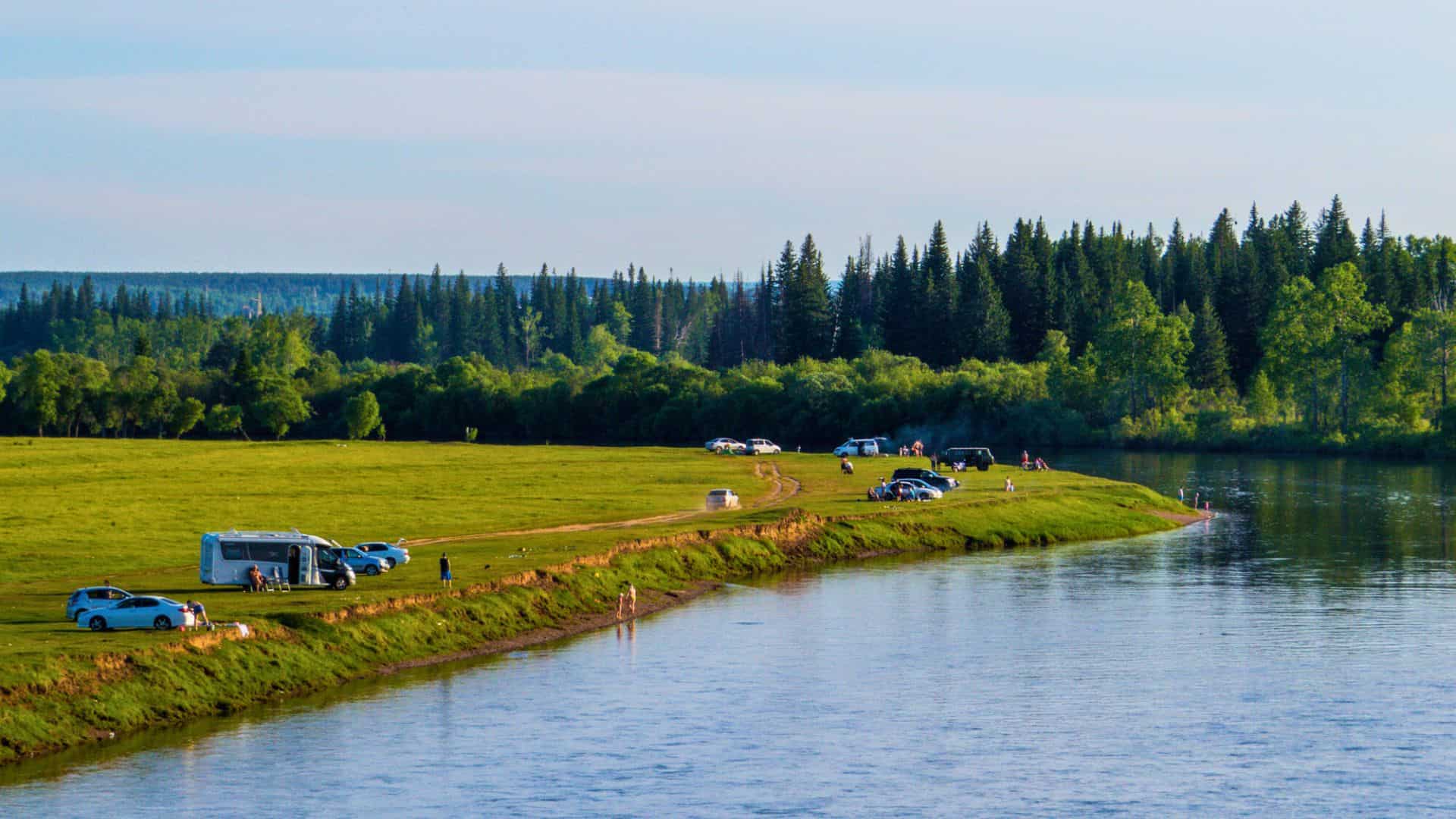
Far above the Arctic Circle, this immense sweep of tundra reaches into the Kara and Laptev Seas, forming one of the planet’s northernmost landmasses. Permafrost grips the ground for most of the year, locking rivers beneath thick ice and shaping a stark, treeless horizon. During the brief summer, mosses and lichens carpet the earth while migratory birds crowd wetlands in restless motion. Wild reindeer traverse wide plains, and polar bears patrol remote coasts. Human settlement is sparse, limited to isolated outposts battered by fierce winds. Silence, distance, and extreme cold define this formidable polar frontier.
Kenai Peninsula (Alaska, USA)
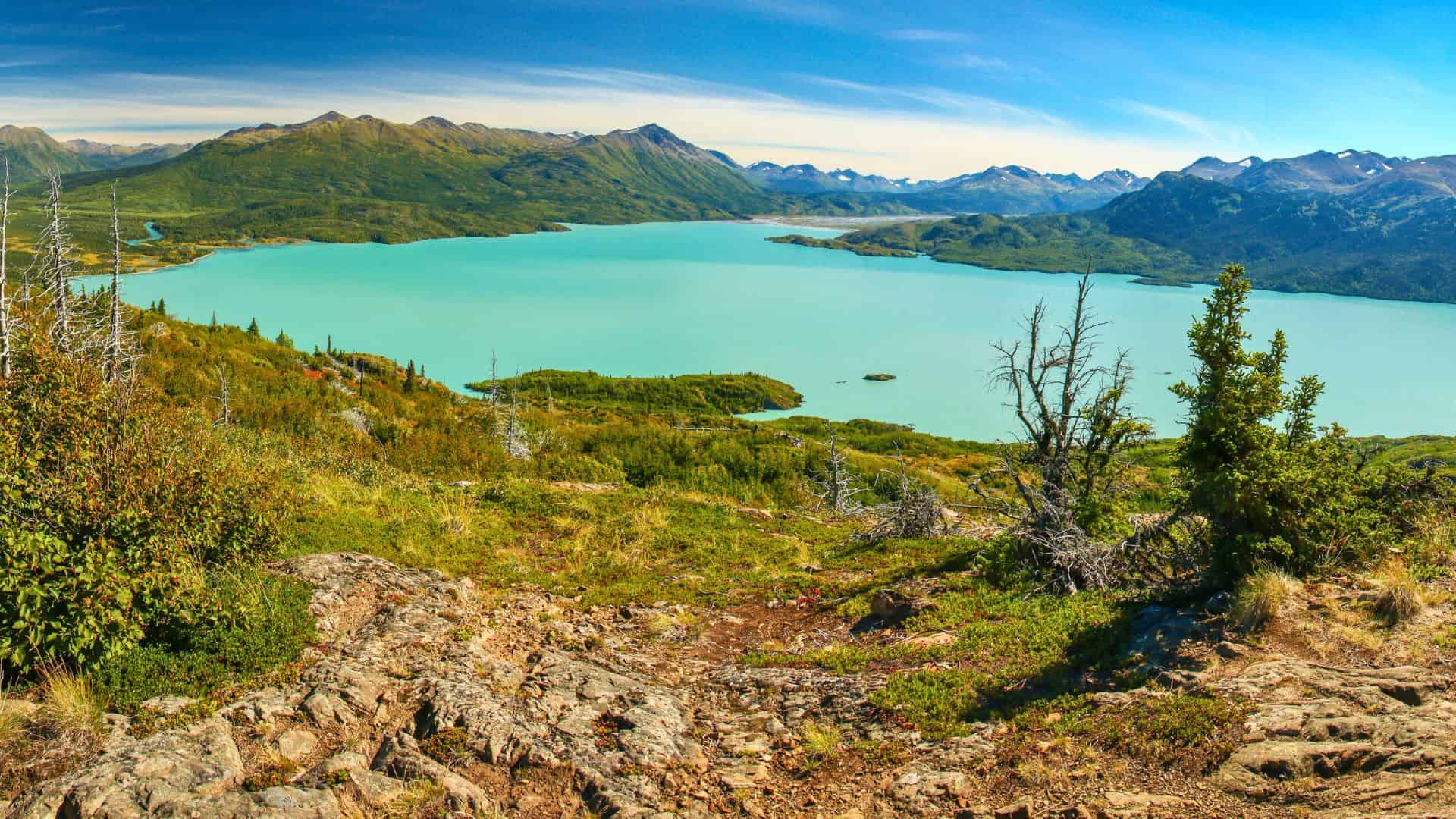
Stretching south from mainland Alaska, this rugged expanse brings together glacier-carved fjords, dense spruce forests, and snowcapped peaks. Tidewater glaciers calve into icy inlets, sending echoes across still water. Salmon surge upriver each summer, drawing brown bears to gravel banks in a dramatic seasonal ritual. Coastal trails trace cliffs above Resurrection Bay, while small towns face vast stretches of wilderness. Weather shifts quickly from clear blue skies to driving rain sweeping in from the Gulf of Alaska. With mountains pressing against the sea and wildlife thriving at every turn, the landscape feels immense and untamed.
Dingle Peninsula (Ireland)
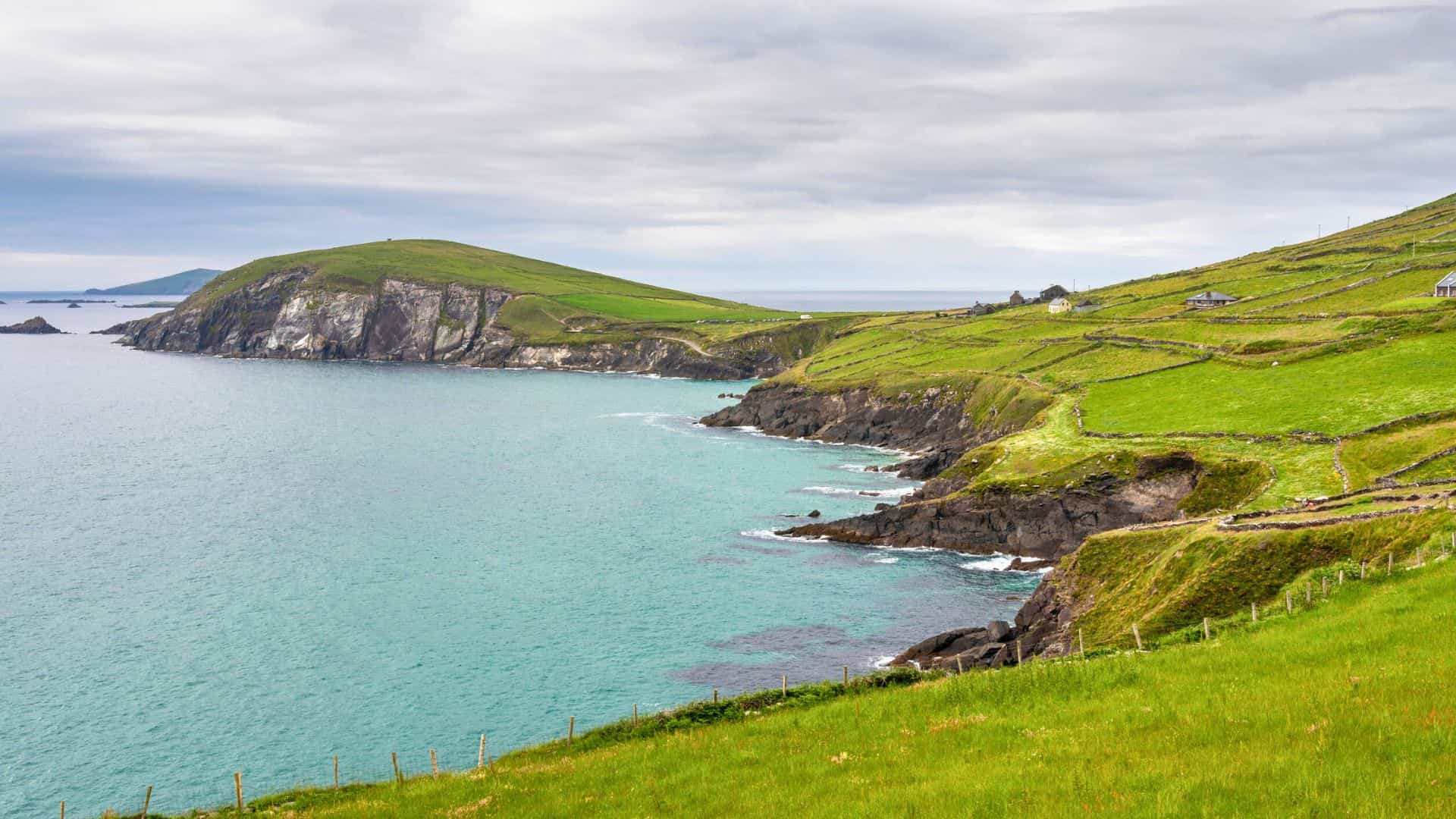
Along Ireland’s western fringe, narrow lanes wind past stone walls and rolling green hills toward towering Atlantic cliffs. Ancient ring forts and weathered beehive huts stand as reminders of early settlement, scattered across fields that slope toward churning seas. Waves crash against dark headlands, sending spray high into brisk coastal air. Fishing boats rest in small harbors where Gaelic remains widely spoken. Sudden rain showers sweep across the landscape, shifting light over patchwork farmland. Beyond Slea Head, nothing lies between shore and North America but open ocean, heightening the sense of standing at Europe’s outer rim.
Kamchatka Peninsula (Russia)
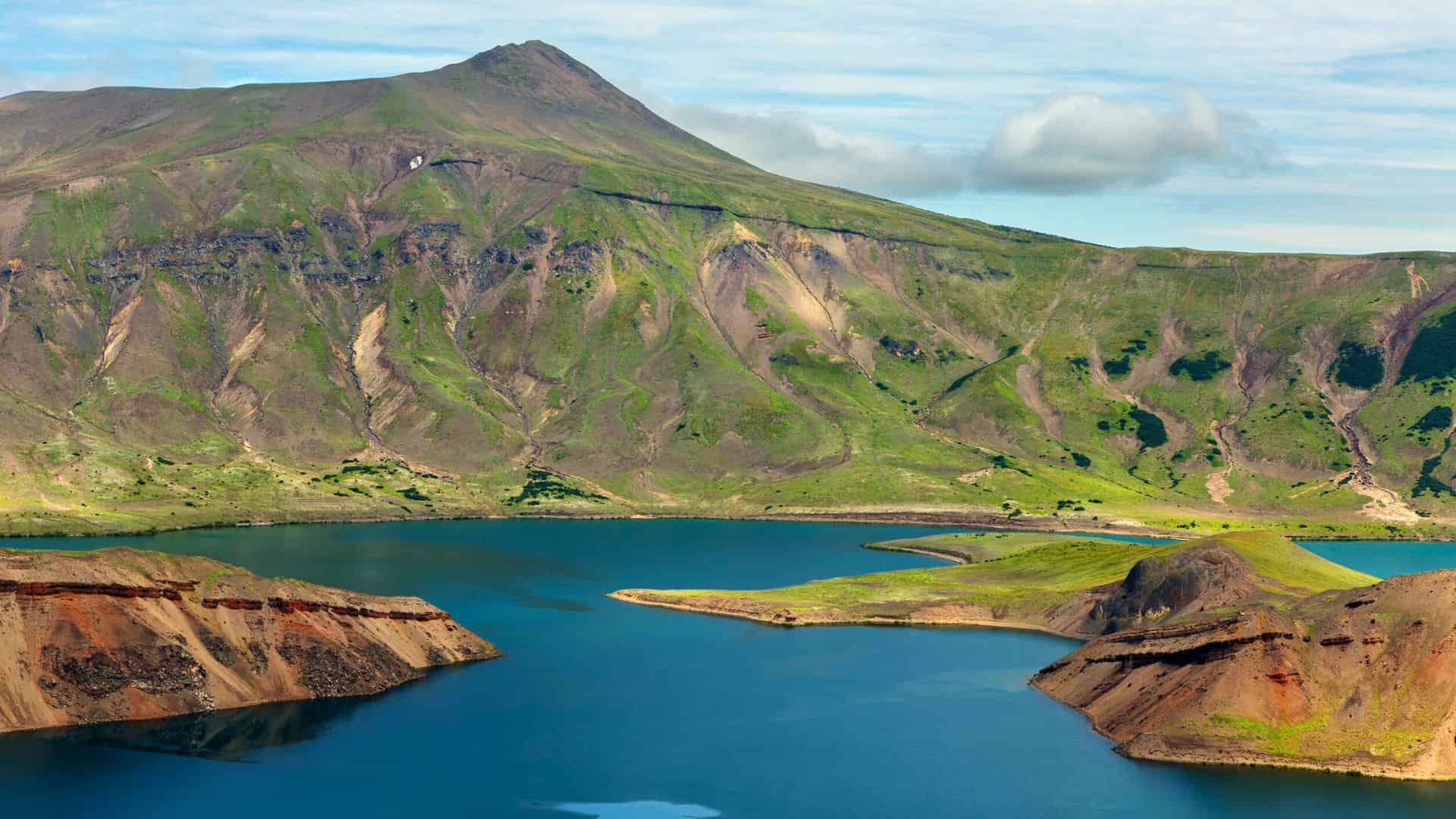
The Kamchatka Peninsula stretches into the North Pacific like a forgotten frontier, shaped by fire and ice. More than 300 volcanoes rise from its spine, dozens still active, sending steam into cold skies. Geysers burst from river valleys, and hot springs thread through snowbound terrain. Brown bears roam salmon-rich streams, while Steller’s sea eagles circle above coastal cliffs. Roads are scarce, and many regions remain reachable only by helicopter, adding to the feeling of isolation. Winters are long and stark, summers brief and bright. Here, shifting tectonic forces and vast silence create a landscape that feels primordial and untamed.
Baja California Peninsula (Mexico)
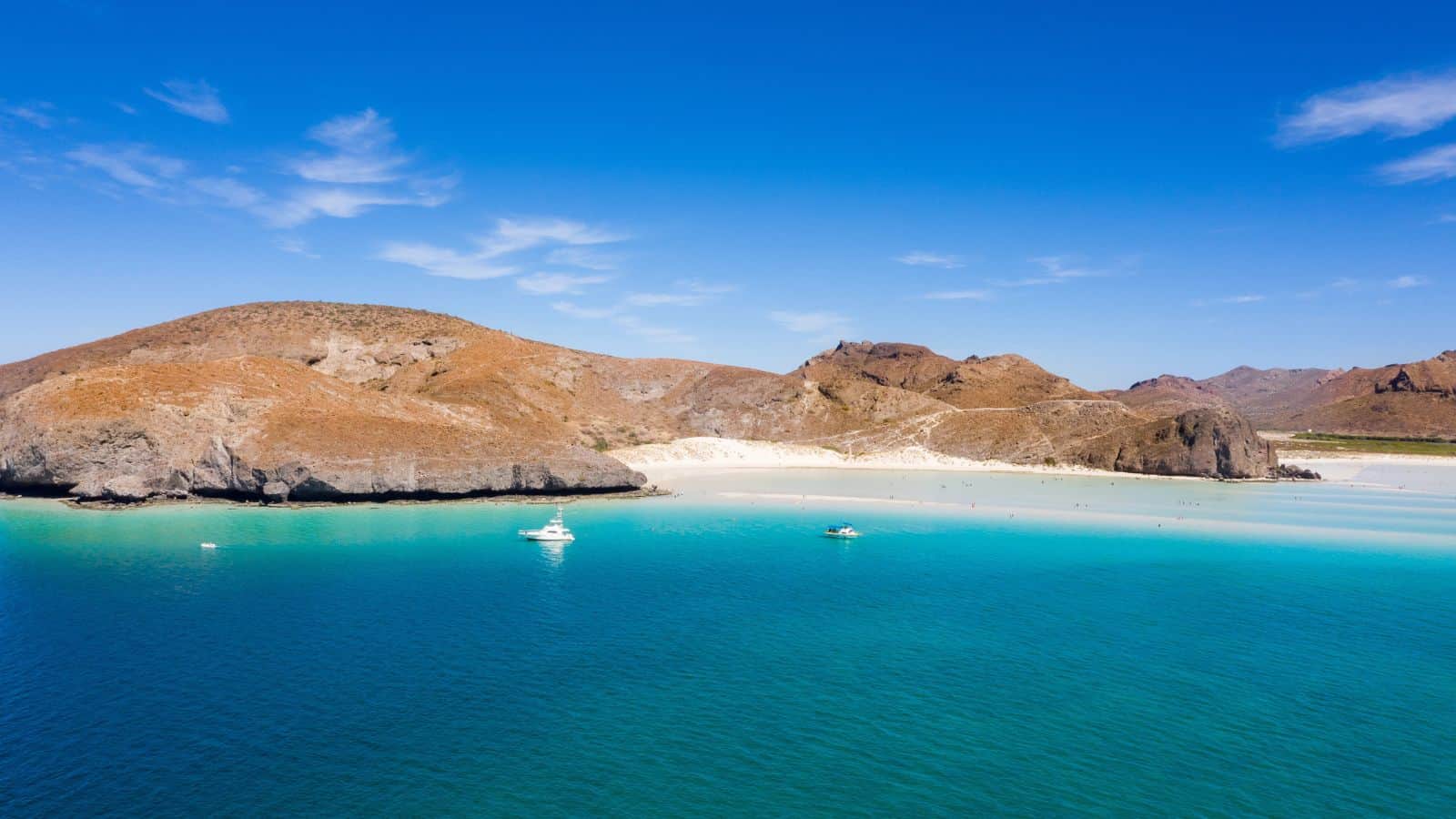
The Baja California Peninsula stretches for more than 1,200 kilometers between the Pacific Ocean and the Gulf of California. Arid mountains and cactus forests descend to empty coves where waves break against rock and sand. Inland deserts glow under fierce sun, while coastal lagoons host migrating gray whales each winter. Small fishing towns dot the shoreline, separated by long highways that cross salt flats and volcanic hills. At night, skies blaze with stars far from city lights. The contrast between dry wilderness and teeming marine life gives the peninsula a frontier character at the edge of North America.
Want to save this?
Cape Peninsula (South Africa)
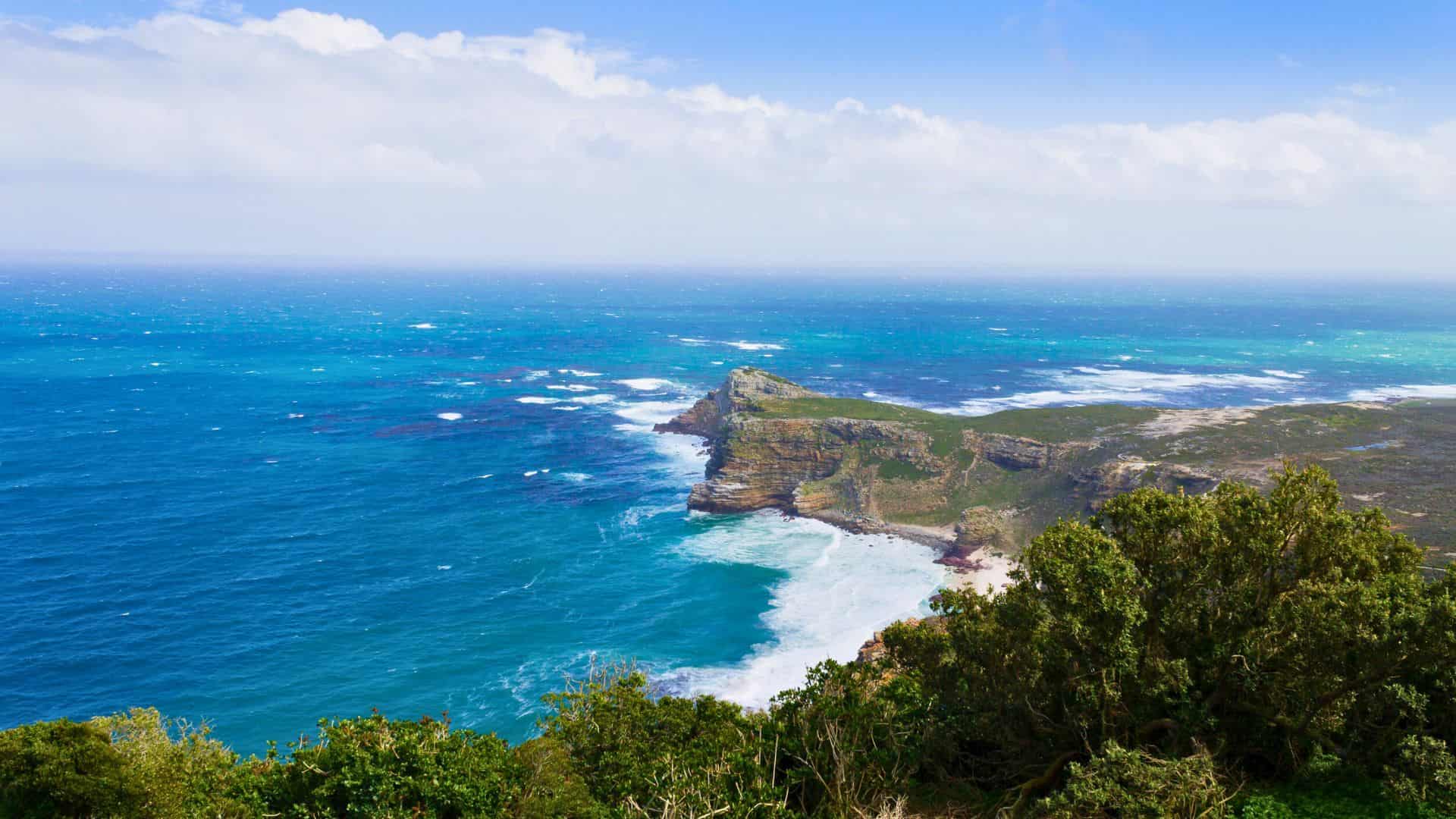
At Africa’s southwestern tip, sheer cliffs drop into restless waters where powerful currents collide. Table Mountain rises above Cape Town, while farther south rugged ridges lead toward Cape Point’s dramatic promontory. Waves pound rocky shores, and strong winds sweep across fynbos-covered slopes rich in endemic plant life. Baboons wander near coastal roads, and seabirds wheel above white surf. Historic lighthouses stand guard against treacherous seas that challenged sailors for centuries. When standing at the edge of these cliffs, with nothing but open ocean ahead, the sensation is of a continent tapering into vast blue distance.
Valdés Peninsula (Argentina)
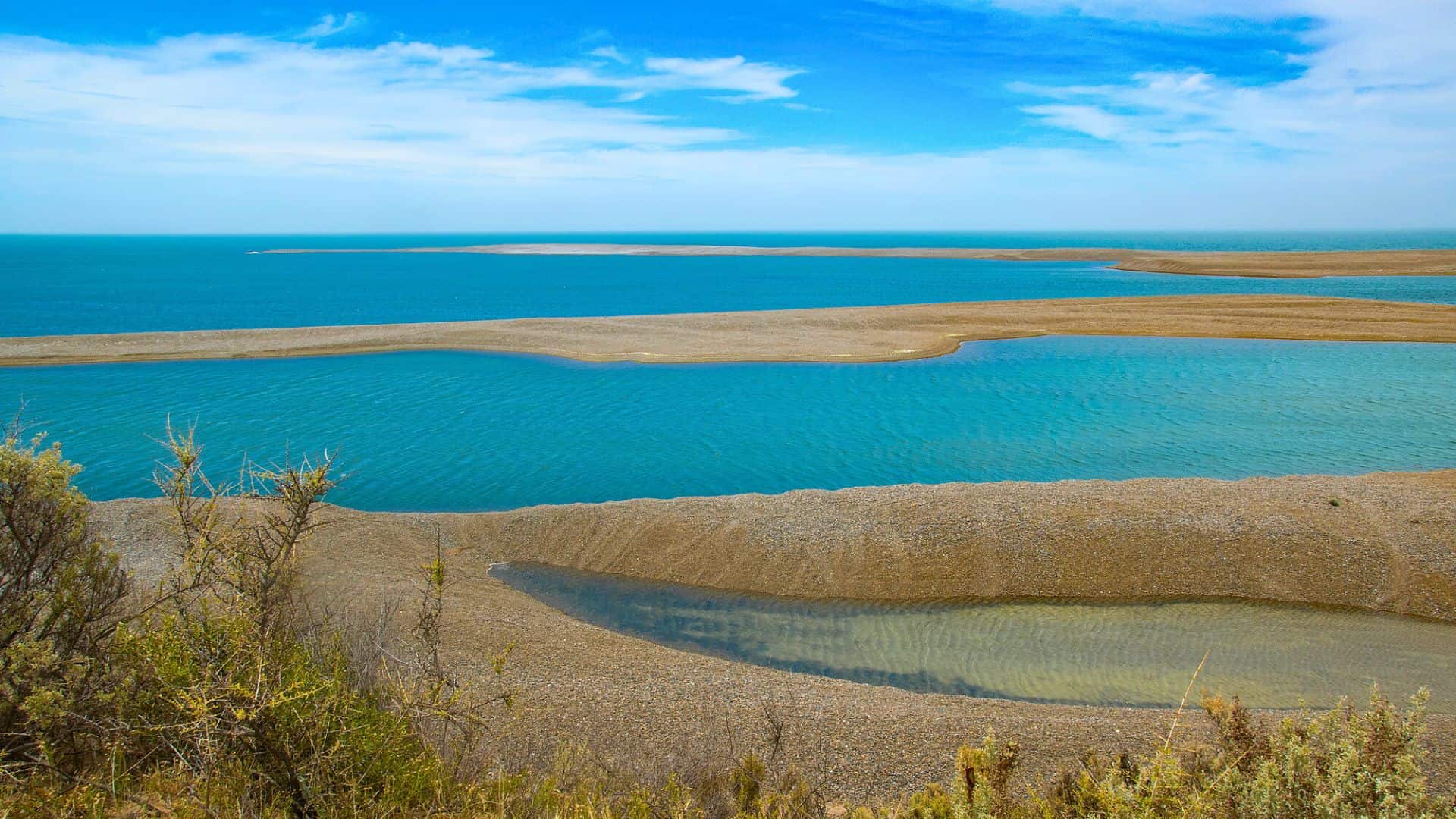
Projecting into the South Atlantic from Patagonia’s arid coast, this windswept headland is shaped by cliffs, salt flats, and wide bays. Southern right whales gather offshore during breeding season, while orcas patrol the shallows with calculated precision. On land, guanacos roam scrubby plains and elephant seals sprawl across pebbled beaches. The terrain appears austere, marked by low shrubs and sweeping horizons under restless skies. Dusty roads connect small settlements where life revolves around tides and wildlife cycles. With vast distances and dramatic marine encounters, the peninsula feels suspended between desert solitude and oceanic power.
Snæfellsnes Peninsula (Iceland)
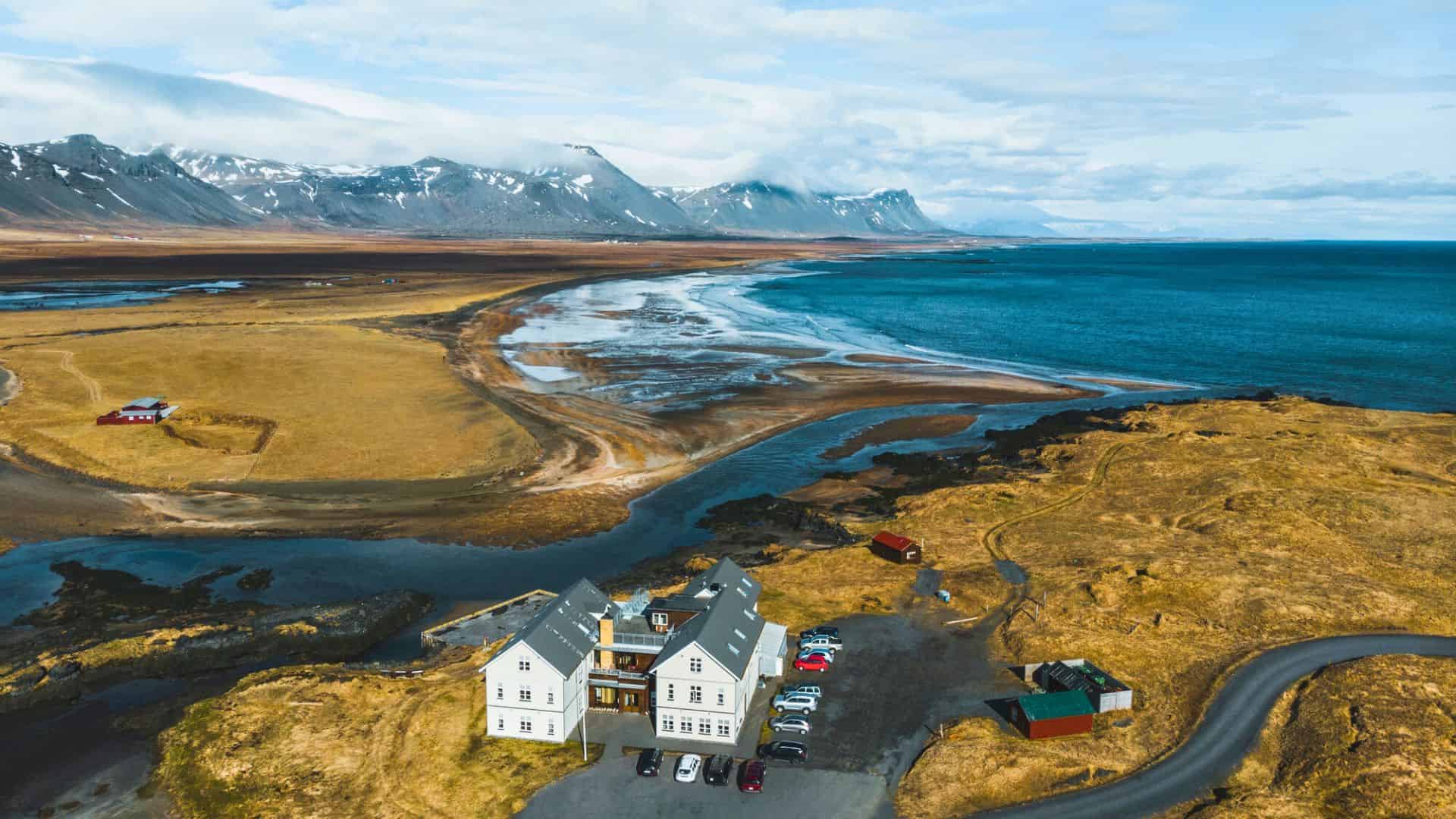
Snæfellsnes Peninsula arcs from western Iceland into the North Atlantic, crowned by the glacier-clad Snæfellsjökull volcano. Lava fields stretch toward fishing villages, their black rock cloaked in moss and low shrubs. Basalt cliffs rise sharply above crashing surf, where seabirds nest in tight colonies. Beaches shift from pale sand to inky strands scattered with driftwood. Inland, waterfalls spill from rocky escarpments, and winds sweep across open heath. Weather changes quickly, with sunlight giving way to mist within minutes. Compact yet dramatic, the peninsula gathers many of Iceland’s stark contrasts into one windswept reach of land and sea.
Cape York Peninsula (Australia)
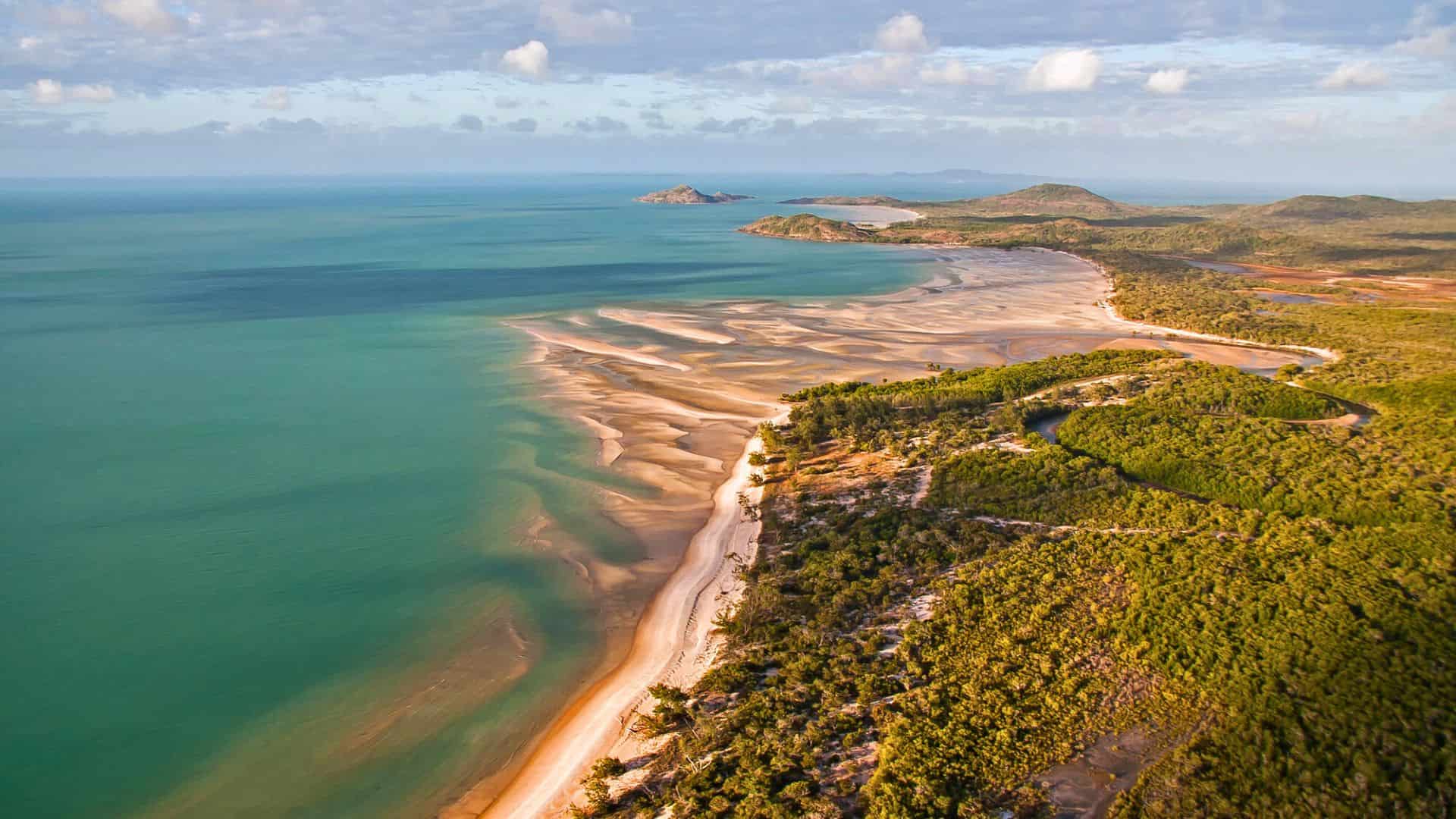
Cape York Peninsula forms Australia’s far northern reach, a vast sweep of rainforest, savanna, and reef-lined coast. Dirt tracks cut through river crossings and red earth, leading toward the windswept tip at Cape York itself. During the wet season, monsoon rains flood plains and transform creeks into surging torrents. Saltwater crocodiles patrol mangroves, and rare birdlife thrives in dense forest canopies. Offshore, the Great Barrier Reef traces the shoreline with coral cays and turquoise channels. Small Indigenous communities maintain deep cultural ties to the land. Remote and rugged, the peninsula feels like the continent tapering into the open sea.
Stand at Land’s Last Call
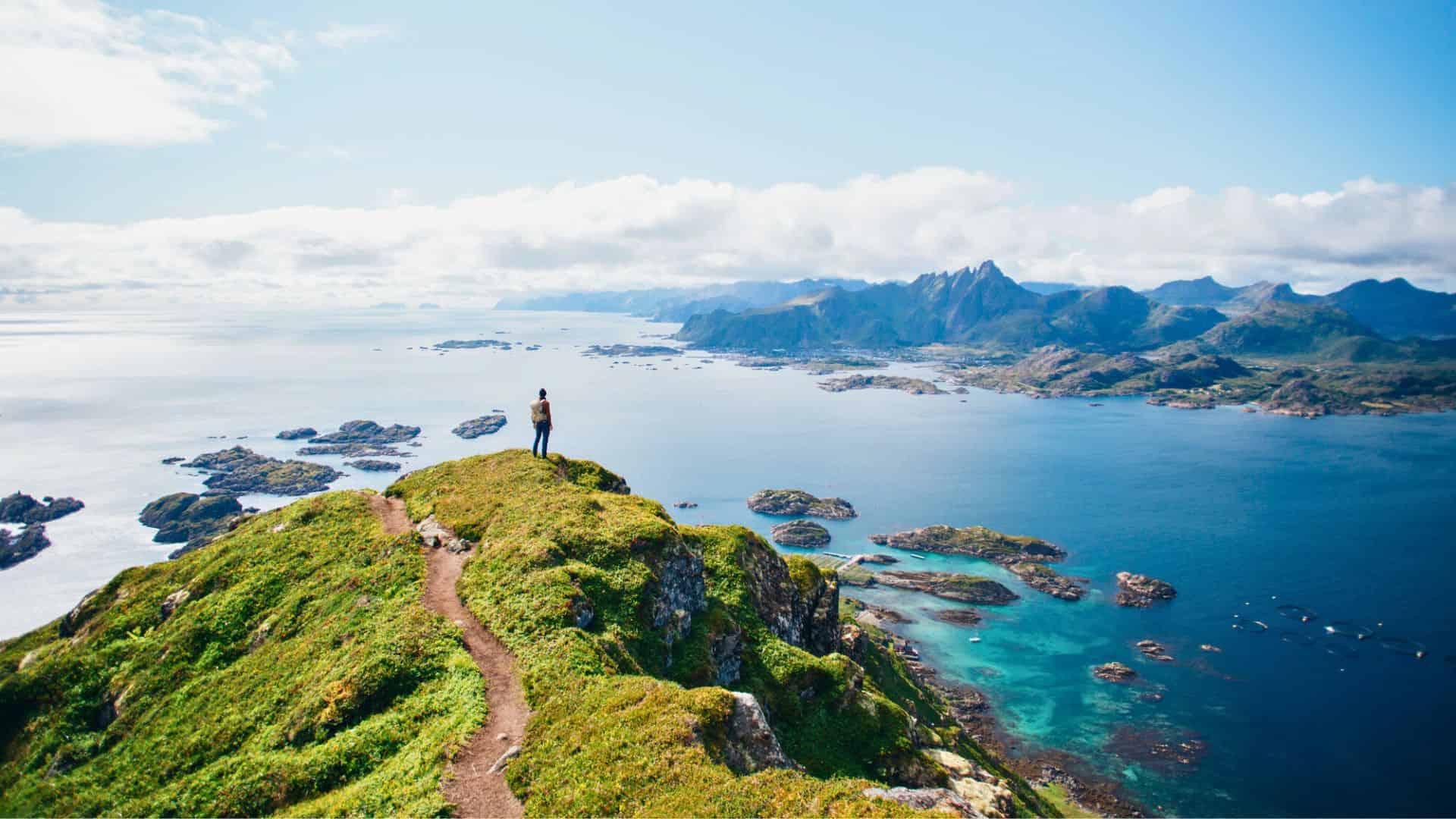
In the end, peninsulas have a quiet way of reminding you how big the world really is. You drive farther, the land narrows, and suddenly it feels like there’s nothing ahead but open water. That shift does something to you. It clears your head. It makes you look up from your phone and actually take in the view. No big production, no overhype. Just raw coastline, steady wind, and space to think.
If you’re looking for a trip that feels different from the usual beach break or city escape, this is a great direction to go. Pack light, plan loosely, and give yourself time to wander. Let the long roads and wide horizons set the pace. Sometimes the best travel moments happen where the land almost runs out, and the only way left to go is back the way you came.
14 Dramatic Coastal Cliffs That Will Truly Test Your Nerves
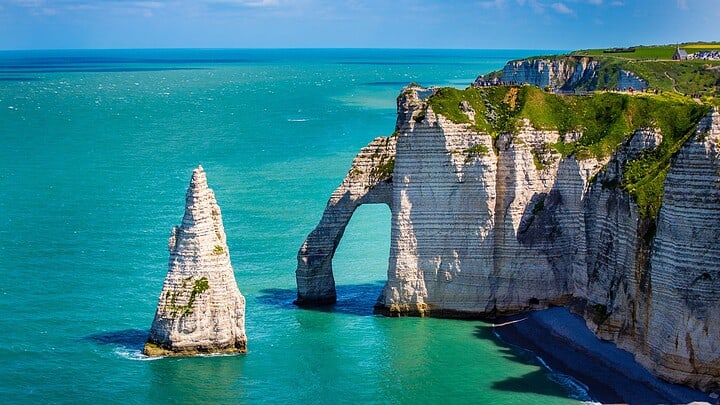
There is something about standing at the very edge of a continent that changes your perspective. When you look down and see nothing but a massive drop into the crashing ocean, it hits different. Our planet has 14 coastal cliffs with seriously massive walls of rock that make everything else look tiny. These spots aren't just big; they are landmarks that have survived millions of years of wind and salt.
Read More Here: 14 Dramatic Coastal Cliffs That Will Truly Test Your Nerves
11 Cities Along the Pacific Rim to Book for Your Next Vacation
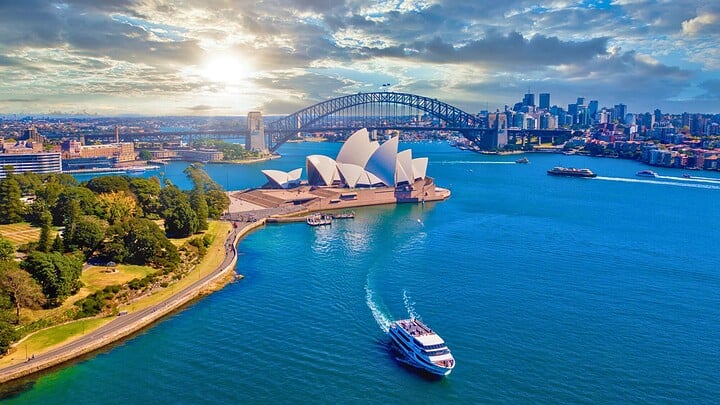
The Pacific Rim is lined with cities that feel alive from morning to midnight. Step off the plane, and you can sense the pace right away. Skyscrapers rise near the water, markets spill into busy streets, and music drifts through open doors. This region stretches across multiple continents, yet there’s a shared energy that connects these coastal hubs. In fact, there are 10 cities along the Pacific Rim that you should book for your next vacation.
Read More Here: 11 Cities Along the Pacific Rim to Book for Your Next Vacation