While certain destinations are often seen as the go-to spots for tourists, there are many places that might not immediately come to mind but are beloved by those looking for something different. Some cities, though not as popular with older generations, have become favorites for younger travelers due to their vibrant culture, history, and modern-day appeal. These destinations have a unique charm that make them stand out, offering new experiences that can surprise even the most seasoned travelers.
From trendy urban hubs to more laid-back spots with a lot of character, there are numerous cities that remain under the radar for many but provide a perfect getaway for those seeking authenticity and excitement. With these suggestions, it’s time to explore some places that may be the next great discovery on your travel list.

Tulum, Mexico
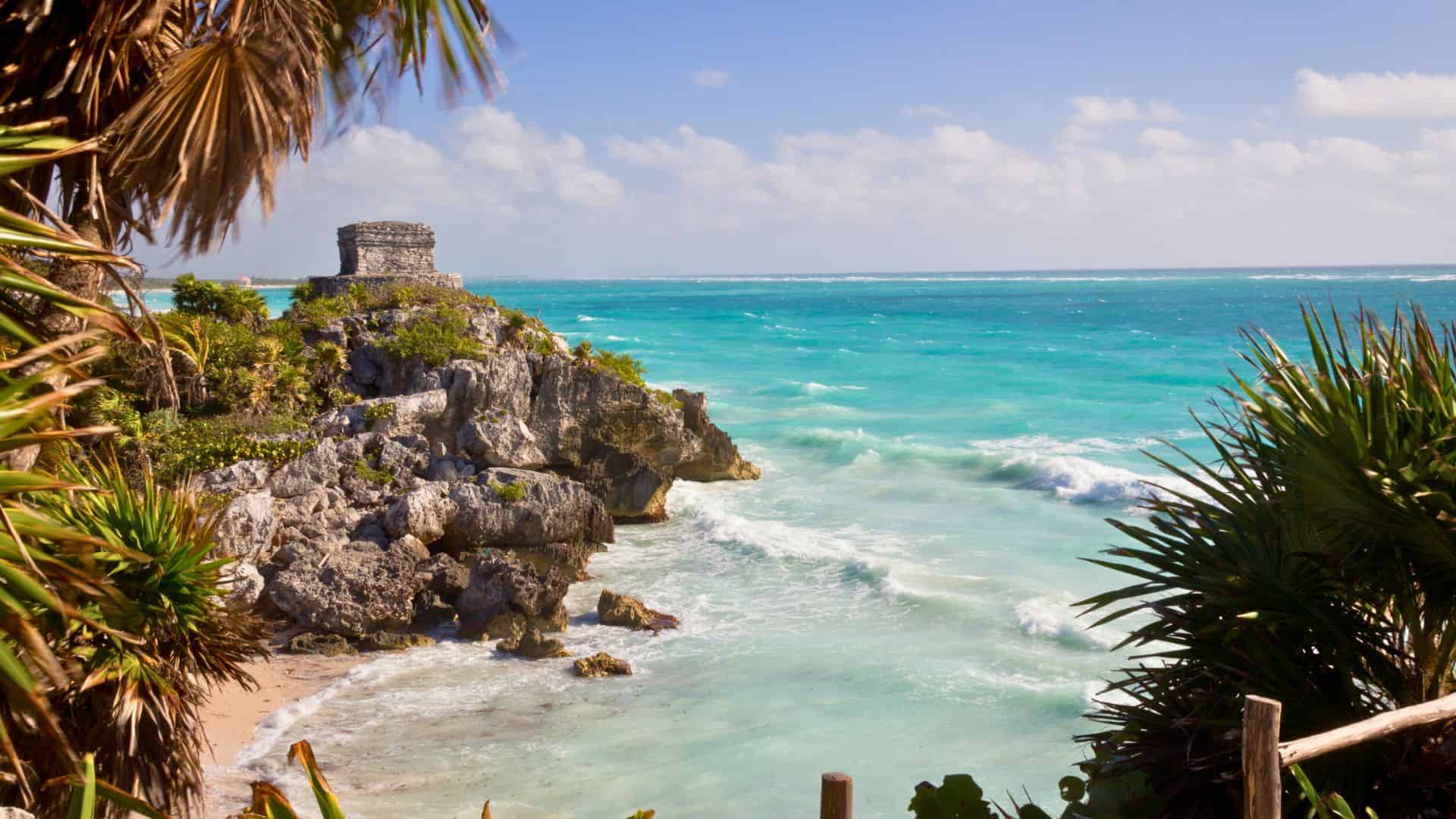
Tulum draws millennials with its beachside hotels, relaxed cafés, outdoor yoga classes, and casual nightlife. The setting feels young, creative, and easy to navigate by bike. Travelers enjoy a mix of ruins, cenotes, boutique markets, and eco-focused stays. Many spots are designed with social spaces where visitors meet new people or work remotely. Boomers often skip Tulum due to the higher prices, crowds, and the focus on trendy, photo-heavy locations that appeal more to younger audiences. While the town has grown quickly, its atmosphere still attracts millennials who want a laid-back mix of nature, wellness, and coastal scenery.
Reykjavik, Iceland
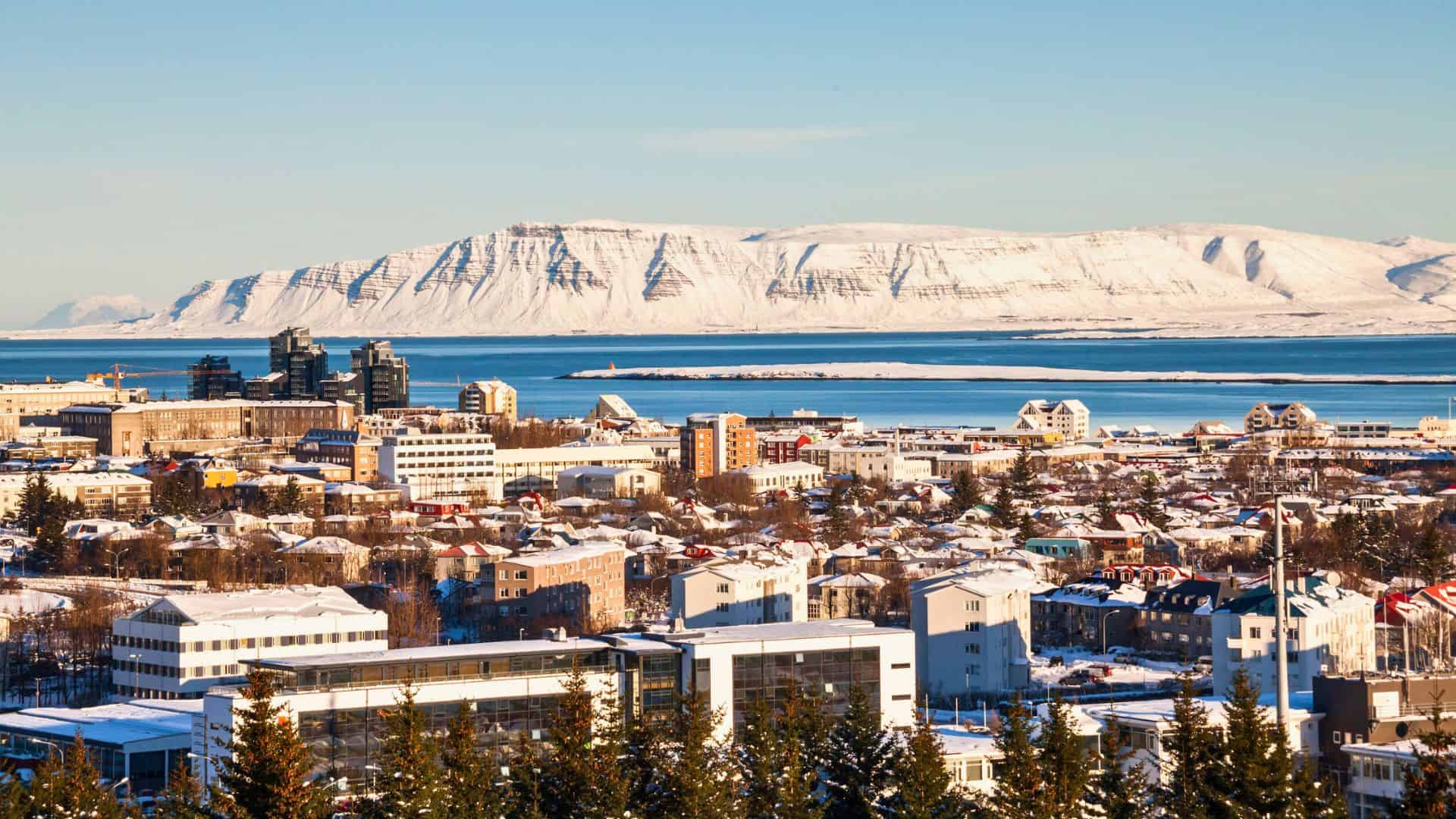
Reykjavik pulls in millennials who love hiking, camping, geothermal pools, and road trips. The city serves as a base for exploring waterfalls, volcanic fields, and coastal cliffs. Younger travelers often rent cars or join small tours that involve long days outdoors, which fits their travel style. Reykjavik also has an energetic nightlife and art scene that appeals to creative visitors. Boomers tend to prefer warmer destinations or cities where sightseeing involves shorter walking distances and more structured tours. Reykjavik’s adventurous spirit is a major draw for millennials who want open landscapes, dramatic weather shifts, and plenty of natural variety.
Lisbon, Portugal

Lisbon attracts millennials with its viewpoints, colorful neighborhoods, vintage trams, and waterfront cafés. Many travelers stay in modern hostels or small apartments, spend mornings exploring hilly streets, and spend evenings at live music bars. The city has a mix of tradition and modern creativity that resonates with younger visitors. Co-working spaces and affordable long stays have also turned Lisbon into a remote-work favorite. Boomers may skip it for larger European capitals like Paris or Rome, not realizing how rich Lisbon feels in history, architecture, and daily life. For millennials, the city’s mix of energy and simplicity feels welcoming.
Seoul, South Korea
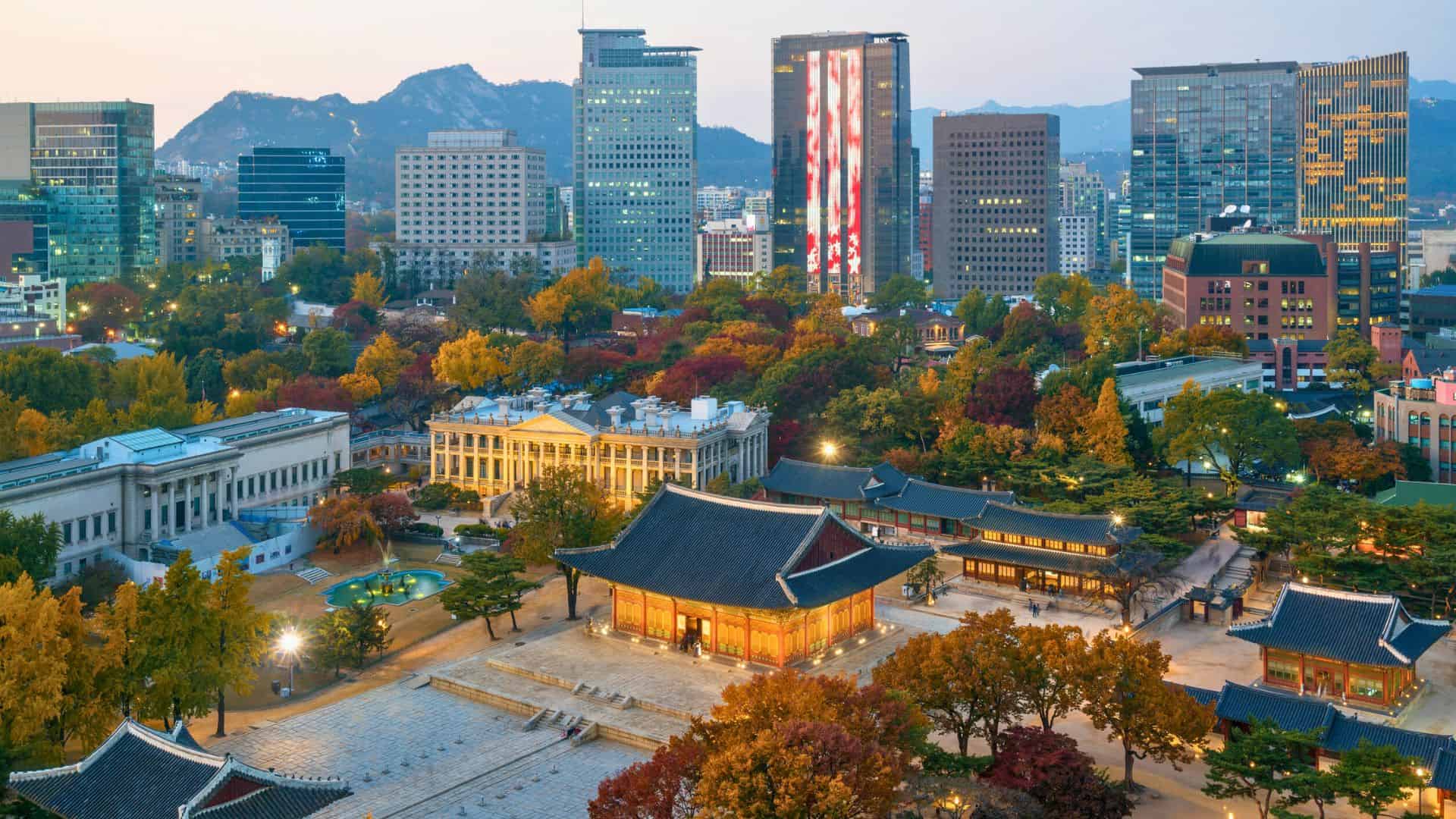
Seoul stands out for millennials who enjoy fast-paced neighborhoods, fashion districts, themed cafés, K-pop culture, and tech-focused attractions. The city blends centuries-old palaces with modern nightlife, gaming zones, and busy shopping streets. Younger travelers appreciate the convenience of subway travel, late-night dining, and countless options for entertainment. Many enjoy visiting filming locations, skincare shops, and music stores tied to Korean pop culture. Boomers often prefer quieter cities or destinations that revolve around museums and traditional sightseeing. Seoul’s spark comes from its blend of modern creativity, trend-driven spaces, and neighborhoods that stay active at all hours.
Ho Chi Minh City, Vietnam
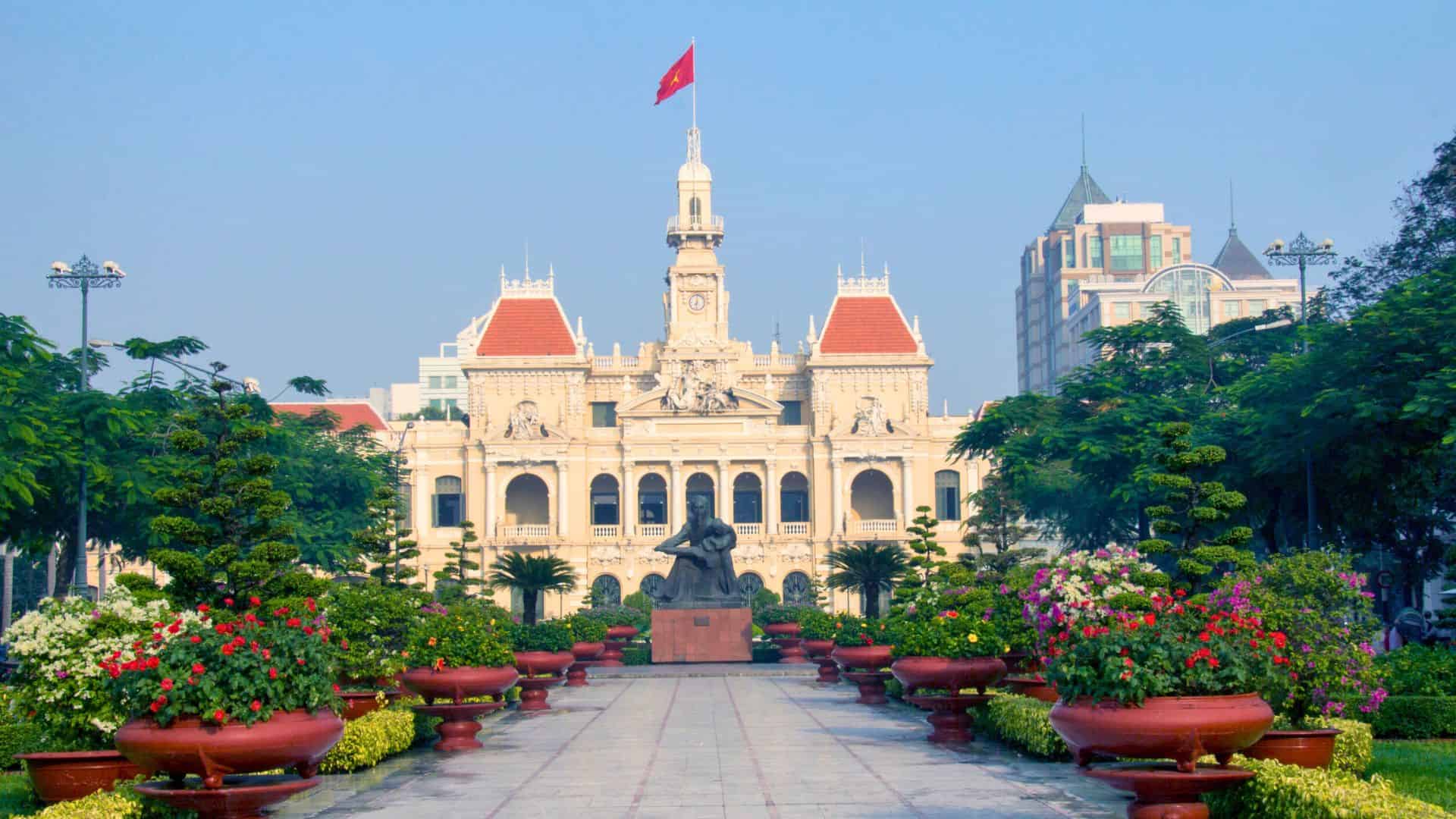
Ho Chi Minh City attracts millennials with its rooftop bars, street markets, scooter-filled streets, and youthful energy. Visitors enjoy exploring alleys with cafés, art studios, and co-working spaces. The city also provides easy access to day trips, food tours, and riverside districts filled with nightlife. Younger travelers appreciate the fast pace, casual atmosphere, and affordability. Boomers sometimes avoid it due to the traffic, humidity, and busy streets that can feel overwhelming. Ho Chi Minh City rewards those who enjoy exploring on foot, discovering modern pockets of culture, and experiencing a vibrant city that grows and evolves quickly.
Budapest, Hungary
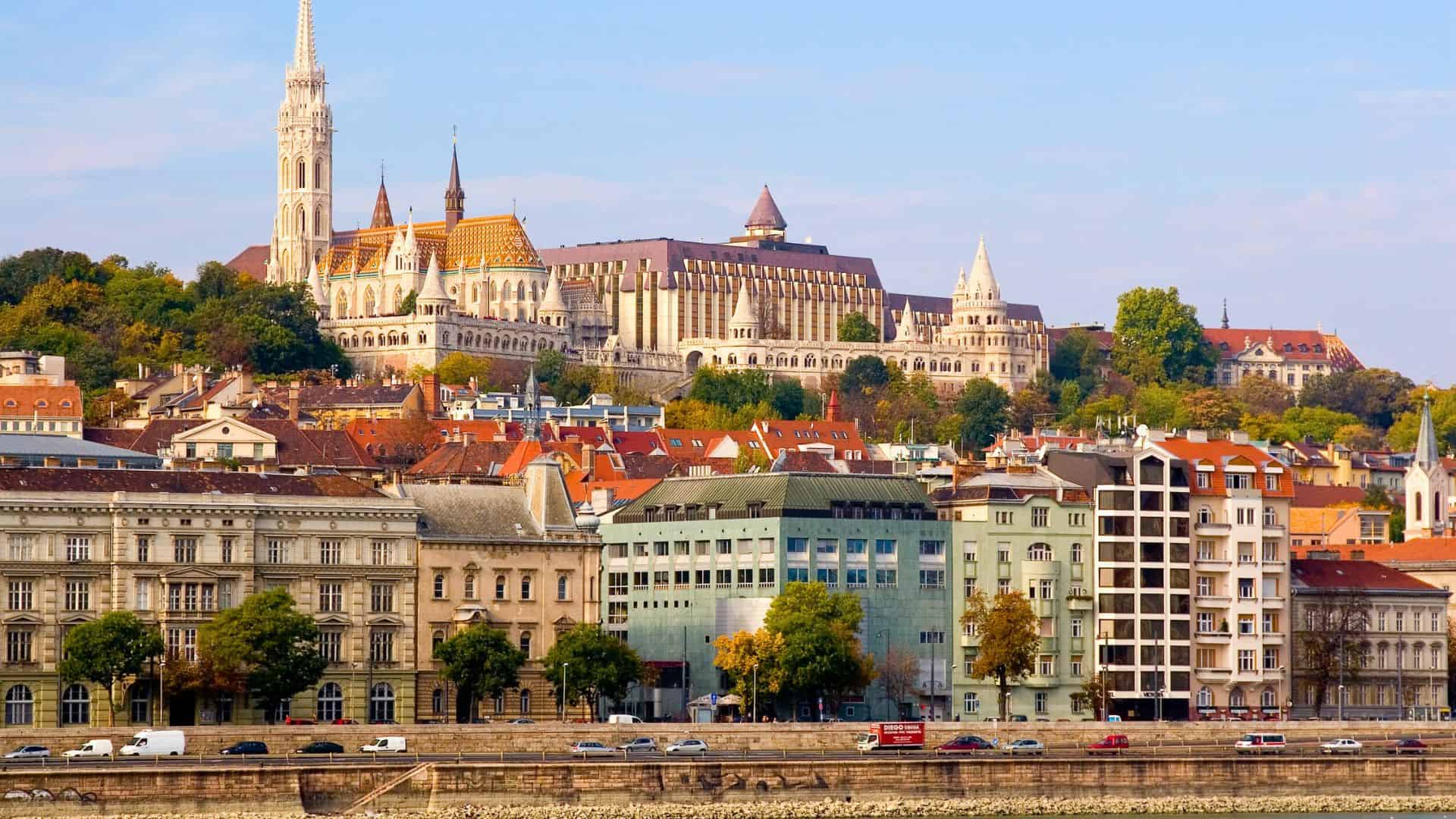
Budapest appeals to millennials thanks to its ruin bars, thermal baths, walkable districts, and lively creative scene. The city mixes history with modern spaces that feel youthful and fresh. Travelers enjoy spending afternoons at spas, taking photos along the Danube, and exploring street art or flea markets. Its affordability compared to other European capitals also increases its popularity among younger travelers. Boomers often choose cities like Vienna or Prague, which feel more traditional and polished. Many millennials say Budapest feels balanced, welcoming, and full of character, with enough activities to fill a week without feeling crowded or commercial.
Want to save this?
Medellín, Colombia

Medellín surprises many millennials with its creative energy, cable cars, hillside neighborhoods, and warm weather. The city promotes open public spaces, art-filled districts, and a growing community of digital nomads. Younger visitors enjoy exploring cafés, co-working hubs, lookout points, and nearby towns. The metro and cable cars make movement easy, and the city’s mix of mountains and greenery gives it a refreshing feel. Boomers sometimes skip Medellín due to outdated concerns about safety, even though the city has changed significantly. Millennials often leave impressed by how innovative and lively Medellín feels.
Chiang Mai, Thailand
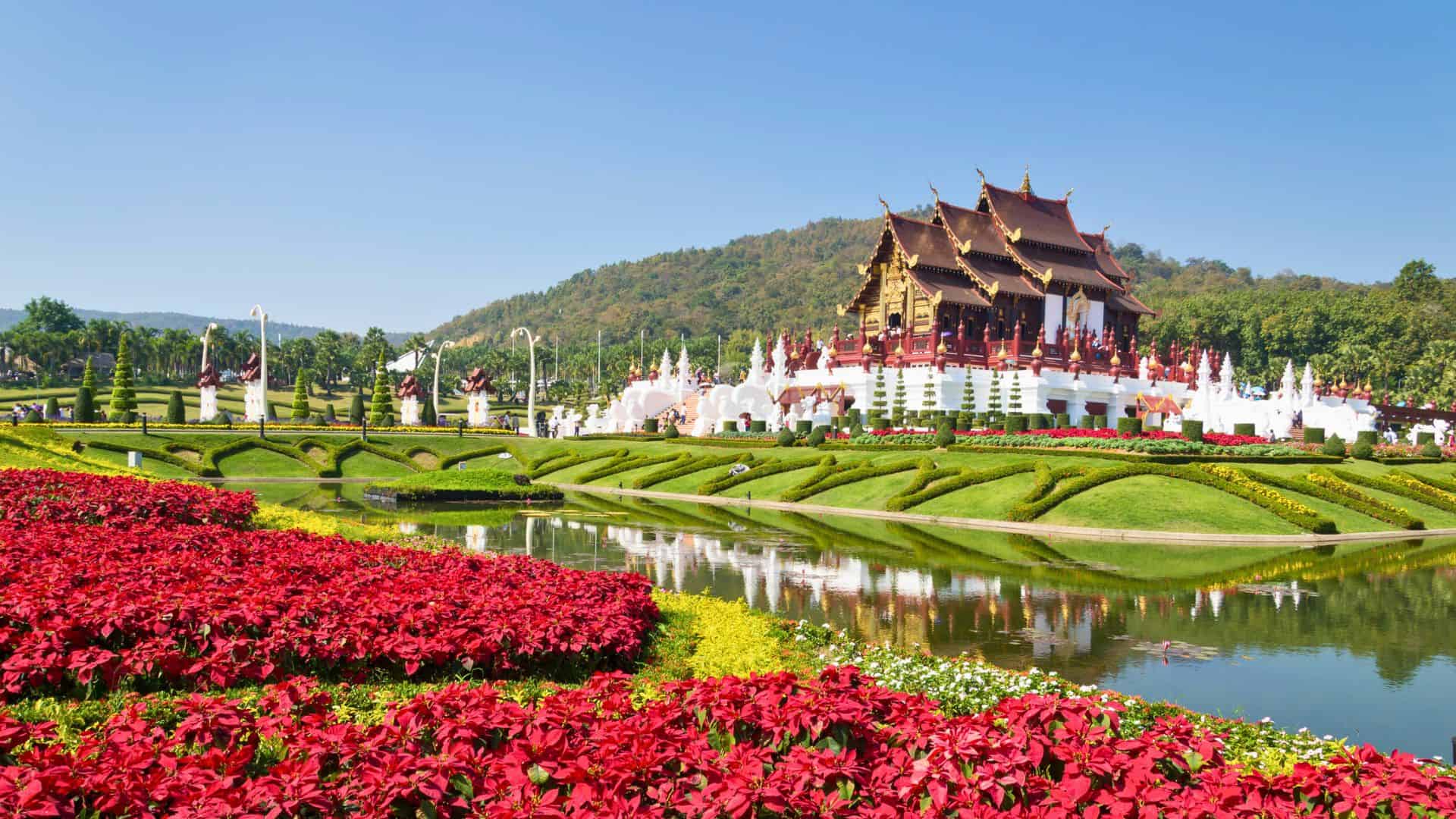
Chiang Mai is a favorite for millennials who enjoy nature access, art cafés, casual markets, and low-cost long stays. The old city is filled with temples, cooking schools, and small guesthouses, creating a relaxed environment that encourages slow travel. Many visitors take day trips to mountains, elephant sanctuaries, or waterfalls. Co-working cafés and creative studios make Chiang Mai a hub for remote workers. Boomers often choose beach destinations like Phuket or Hua Hin instead, missing the city’s calm pace and cultural depth. Millennials appreciate how easy it feels to settle in, explore, and spend extended time here.
Austin, Texas

Austin has become a millennial hotspot thanks to its music festivals, food trucks, indie shops, and lake parks. Visitors enjoy outdoor activities, neighborhoods filled with murals, and a creative culture that feels youthful and casual. The city prides itself on supporting small businesses, live music, and community-driven events. Millennials are drawn to the relaxed culture, easy access to nature, and busy social scene. Boomers sometimes skip Austin because it feels less traditional than other Texas destinations. Many travelers leave saying Austin has a personality that stands out through its music, art, and everyday street life.
Portland, Oregon

Portland grabs millennials with its bike culture, bookstores, craft breweries, independent cafés, and access to forests and waterfalls just outside the city. Neighborhoods feel creative, local, and community-centered. Younger travelers enjoy farmer’s markets, thrift stores, and the casual vibe that encourages wandering. The city’s parks and trails also make it easy to spend time outdoors without leaving town. Boomers may skip Portland in favor of larger West Coast cities like Seattle or San Francisco. Millennials appreciate Portland’s mix of quirky culture, nature access, and laid-back rhythm that feels welcoming and easygoing.
Exploring Hidden Gems

While some destinations may seem off the radar for older generations, millennials are drawn to spots that offer a mix of adventure, culture, and creativity. These places provide vibrant experiences that appeal to the younger crowd, often offering a unique blend of history, modern culture, and laid-back charm. For travelers seeking something new and different, these cities and regions offer plenty to explore. Whether it’s unique street art in urban spaces or a bustling local food scene, the spots millennials gravitate toward are sure to leave a lasting impression. Ready to explore the unexpected?
10 Countries Where Your Money Goes the Furthest in 2026

Planning a trip doesn’t always have to break the bank. With smart choices, travelers can stretch their budgets and experience more for less. The countries where your money goes the furthest in 2026 make it possible to explore new cultures, enjoy great accommodations, and try local experiences without constant worry about costs. These destinations combine affordable living expenses, favorable exchange rates, and strong value for travelers, turning even modest budgets into opportunities for adventure.
Read More Here: 10 Countries Where Your Money Goes the Furthest in 2026
10 Countries Where Prices Are So Low, Tourists Come to Stock Up

In some destinations, the cost of goods is so low that travelers make a point to shop while visiting. There are countries where prices are so low, tourists come to stock up on everything from clothing and household items to specialty foods and souvenirs. The appeal isn’t just about saving money—it’s also the chance to bring home high-quality local products for a fraction of what they would cost elsewhere. Markets, boutiques, and even supermarkets can become part of the travel experience when bargains are this good.
Read More Here: 10 Countries Where Prices Are So Low, Tourists Come to Stock Up