Forget the crowded tourist traps and the loud city centers for a second. If you really want to see 10 fishing villages in the British Isles, you have to head toward the coast. There is something great about a place where the tide dictates the schedule and the salt air hits your face the second you step out of the car. These spots aren't just pretty backdrops for a photo. They are real, working places where people have pulled nets from the sea for hundreds of years.
Walking through these harbors feels like stepping back into a simpler time. Grab a coat and a sturdy pair of shoes because the wind can get sharp near the water. We are looking at some of the most scenic coastal spots you can find across these islands. These locations stay true to their roots while staying beautiful.
Plockton, Ross and Cromarty

Plockton sits on a sheltered inlet of Loch Carron in the Scottish Highlands, benefiting from a mild climate that allows palm trees to grow. The village consists of a neat row of stone cottages facing a bay where the water often remains as still as a mirror. The backdrop features the craggy peaks of the Applecross peninsula, reflecting the changing light of the northern sky. Local life revolves around the shoreline, where residents harvest seaweed and operate small boats. It serves as a quiet refuge where the stillness of the loch preserves a sense of total isolation.
Polperro, Cornwall

This Cornish gem sits tucked within a steep valley, where 16th-century cottages cling to the jagged cliffs surrounding a tidal harbor. Because the narrow streets remain closed to cars, the atmosphere stays quiet and rooted in the past. Historically, this cove served as a primary hub for smugglers who hid lace and spirits in secret cellar compartments. Today, you can explore the jagged coastline via the South West Coast Path or watch small boats bobbing on the green water. The village museum chronicles a gritty maritime heritage, while the small beach reveals caves during low tide.
Staithes, North Yorkshire

Staithes occupies a narrow gap in the towering rocks of the North York Moors coastline, where tall houses huddle together along the beck. This geography creates a maze of alleys and steep stairways that shield residents from North Sea gales. Historically, this port supported a massive fishing fleet and served as the workplace for a young James Cook. The village retains a rugged beauty with its weathered stone breakwaters and traditional coble boats. Artists frequent the harbor to capture the grey-blue light reflecting off the shale cliffs and the dark, churning water of the North East coast.
Dingle, County Kerry
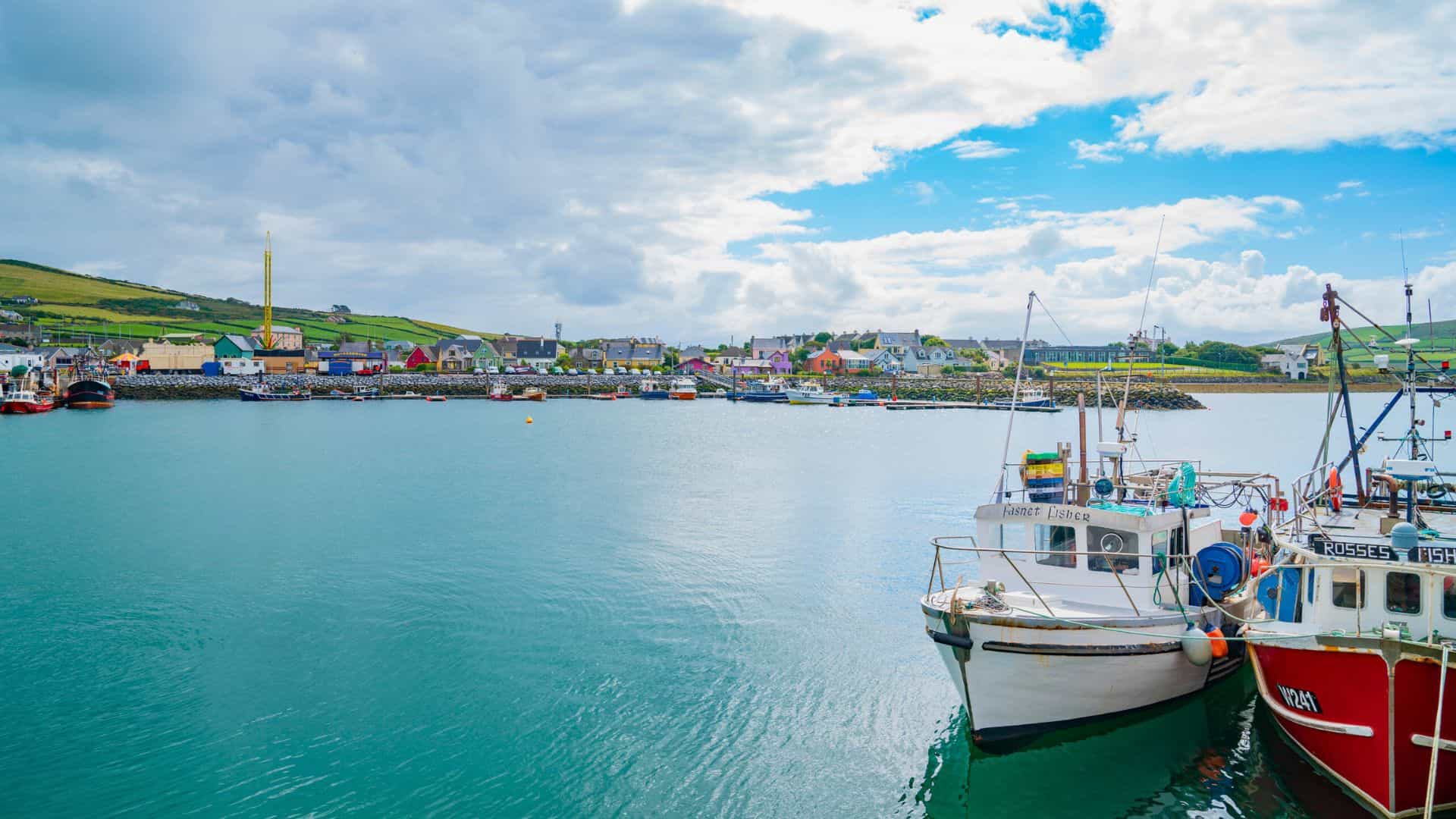
This Atlantic outpost sits on the edge of the Dingle Peninsula, where the Irish language remains a primary part of local identity. The town features a dense collection of traditional shopfronts that double as pubs, creating a streetscape of primary colors and hand-painted signage. Fishing remains the economic backbone, with large trawlers and small currachs sharing the expansive harbor. Beyond the waterfront, the landscape opens into wild pastures and ancient archaeological sites. The air carries a constant scent of salt spray, and the local docks remain the best place to witness the landing of the day's commercial haul.
Port Isaac, Cornwall

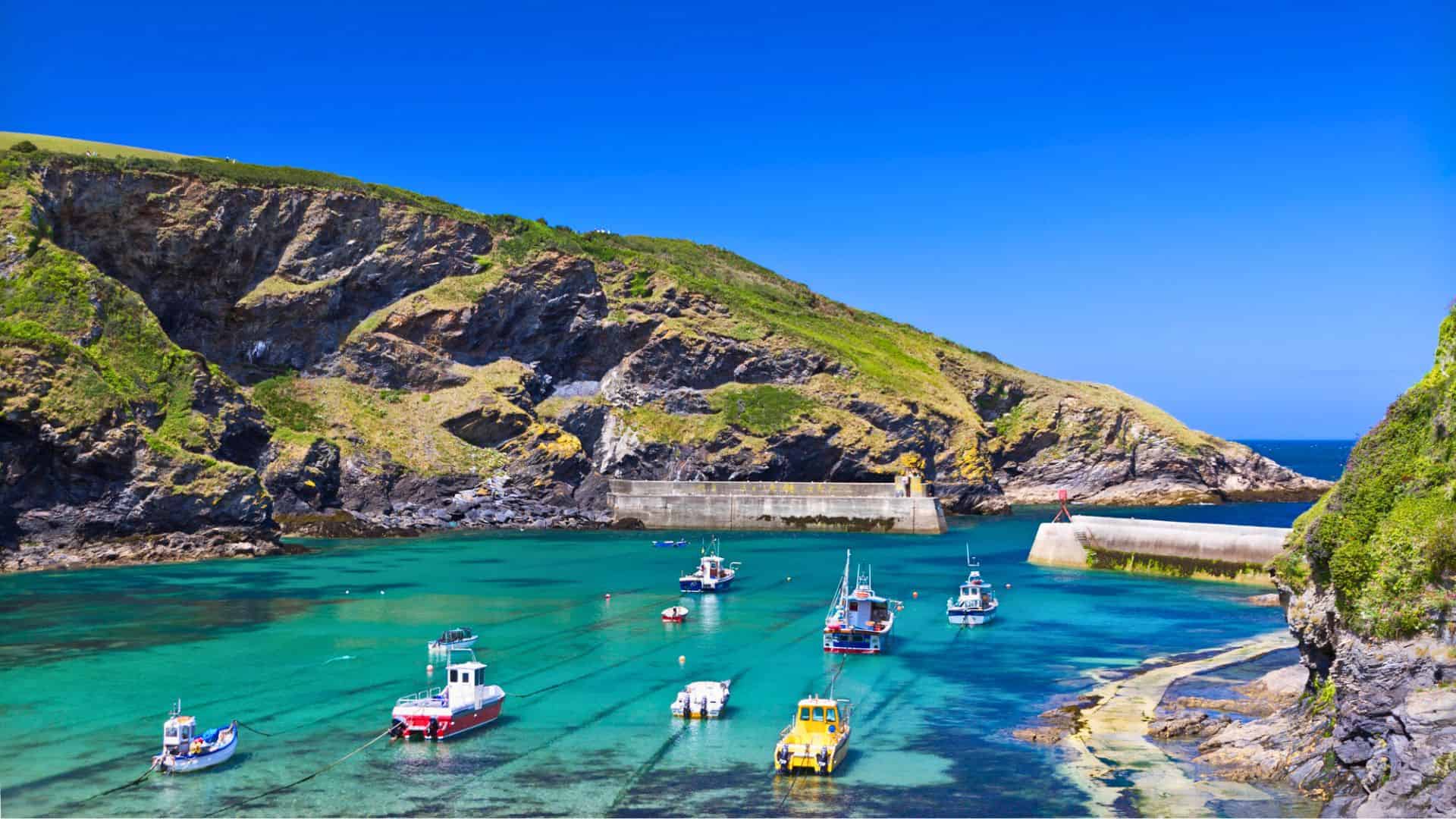
Port Isaac is built into a steep ravine, where whitewashed houses overlook a narrow beach and a twin-piered harbor. For centuries, the village acted as a hub for exporting slate and importing coal, though it is now primarily known for its lobster and crab trade. The streets are notoriously tight, including one of the narrowest thoroughfares in the country, which winds between centuries-old foundations. At the water's edge, the daily catch is processed near the slipway, maintaining a link to the village's medieval origins. The surrounding coastal cliffs give a stark, green frame to the grey stone architecture below.
Ballintoy, Northern Ireland

Ballintoy sits at the base of a steep, winding road on the North Antrim coast, carved directly into the white limestone rock. The port features jagged sea stacks and hidden sea caves that create a dramatic, prehistoric appearance. Local fishermen use the small quay to launch boats into the turbulent waters of the North Channel. Proximity to the Giant’s Causeway means the geology here is striking, with dark basalt columns contrasting against the pale cliffs. It remains a raw, exposed location where the power of the ocean dominates the landscape, and the stone buildings are the only shelter.
Want to save this?
Portree, Isle of Skye

Portree functions as the vibrant heart of Skye, defined by a semi-circle of houses painted in bright blues, pinks, and yellows. These iconic buildings overlook a deep-water bay screened by high cliffs and the shadows of the Cuillin mountains. As a working port, the pier stays busy with fishermen landing langoustines and mussels throughout the year. The surrounding geography creates a natural amphitheater, protecting the vessels from the harsh Hebridean weather. Walking along the waterfront gives you views of the "Lump," a wooded headland that once hosted traditional Highland games and served as a lookout for approaching ships.
Crail, Fife

Located on the rugged eastern edge of Scotland, Crail represents the traditional stone architecture of the East Neuk. The harbor serves as a focal point, constructed from weathered sea walls that protect a fleet specializing in shellfish. Crow-stepped gables and red-tiled roofs line the winding lanes, leading down to a quay covered in wooden lobster creels. When the North Sea winds pick up, the sturdy masonry of the 17th-century Customs House stands as a testament to the village's former trading power. It remains a functional port where the rhythm of the tides dictates daily life.
Clovelly, Devon

Perched on a 400-foot cliff, Clovelly contains a single cobblestone high street that drops sharply toward the Bristol Channel. The lack of motor vehicles requires sledges to transport goods, as the incline remains too steep for wheels. Manicured gardens and white-washed walls frame the descent to a 14th-century stone pier. The village operates as a private estate, preserving a Victorian-era aesthetic that feels disconnected from modern urban sprawl. At the bottom, the ancient harbor wall shelters small crafts from the Atlantic swells, creating a calm sanctuary beneath the towering, forested cliffs of the North Devon coast.
Mousehole, Cornwall

Mousehole surrounds a circular harbor protected by massive granite walls, with an entrance so narrow that wooden beams are lowered during winter storms. Slate-roofed cottages line the waterfront, connected by paths barely wide enough for a single pedestrian. The village gained fame for its resilience after a Spanish raid in 1595, and it maintains a sturdy, ancient character today. Fishing remains a core activity, with small vessels resting on the sandy floor during low tide. The surrounding headlands have a panoramic view of Mount's Bay, where the rhythm of the ocean dictates the pace of local life.
Watch Out For the Hungry Seagulls

So, there you have it. These ten villages are more than just a list of places to see; they are the real deal for anyone who wants to get away from the usual city noise. You don't need a massive budget or a complicated plan to have a great time here. Just show up with an open mind and maybe a thick sweater for those breezy afternoons by the docks.
The best part about visiting these spots is that you can move at your own pace. You can spend a whole morning watching the tide come in or an entire afternoon chatting with someone fixing a net on the quay. It is the perfect excuse to slow down and actually see the coast for what it is. Whether you hit one village or try to see them all, you are going to find something that sticks with you.
12 European Destinations Where Visitors Learn Rules Are Not Optional

Rules can feel flexible while traveling, until they are not. This article features European destinations where visitors learn rules are not optional, focusing on places where regulations around behavior, access, or daily routines are taken seriously. In these destinations, small missteps can lead to fines, denied entry, or uncomfortable encounters.
Read More Here: 12 European Destinations Where Visitors Learn Rules Are Not Optional
13 European Countries Where Overtourism Has Changed Travel Choices
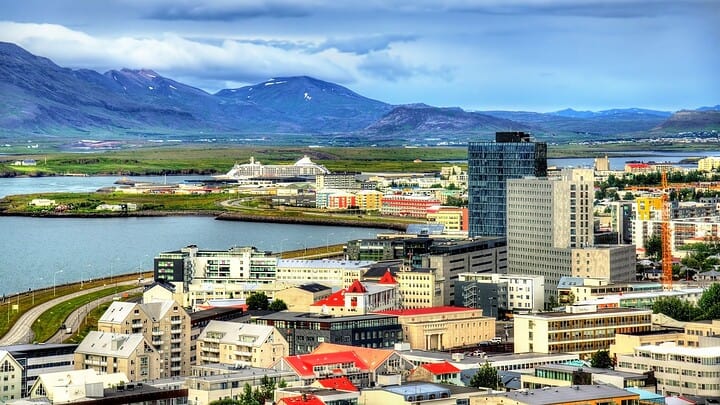
Travel in Europe doesn’t feel as simple as it once did. Flights fill faster, streets feel busier, and popular sights can feel packed before lunch. Travelers notice it right away, especially as conversations around 13 European countries where overtourism has changed travel choices become part of everyday planning. Planning now comes with extra steps and more questions.
Read More Here: 13 European Countries Where Overtourism Has Changed Travel Choices