Travel feels easy at first. You book a flight, pack light, and assume common sense will carry you through. Then a rule appears out of nowhere. A joke lands wrong. A photo causes trouble. A small habit turns into a fine or a long talk with an official. These moments catch people off guard because nothing felt risky. This is why you need to be aware of these 10 countries where visitors learn the rules the hard way.
Many travelers learn fast that rules are not suggestions everywhere. This article is a casual guide to awareness, not fear. These places can be great trips when you know what is expected. Respect saves time, money, and stress. Pay attention, ask questions, and watch how locals act. That mindset keeps things smooth and helps you travel with confidence. The best trips are the ones where surprises are good stories told afterward.
United Arab Emirates

The United Arab Emirates enforces laws shaped by local customs, religion, and public morality. Tourists sometimes underestimate how behavior viewed as casual elsewhere can carry legal consequences. Public displays of affection, offensive language, rude gestures, or intoxication outside licensed venues may result in fines, arrest, or deportation. Social media posts criticizing the country or individuals can also attract legal action. Dress standards apply in malls and public spaces. Alcohol consumption is regulated and monitored. Authorities act decisively, and legal processes move quickly, leaving little room for explanation after mistakes occur.
China

Laws governing speech, technology, and public behavior can surprise foreign travelers. Certain websites and apps are blocked, and attempts to bypass restrictions may draw scrutiny. Political discussions in public spaces or online platforms can lead to questioning. Identification checks are common, and police presence is visible in many areas. Photography near government buildings or security installations may be prohibited. Rules can change quickly and vary by region. Compliance is expected without argument, and misunderstandings are rarely resolved through casual explanation, making preparation essential before arrival.
North Korea

North Korea tightly controls every aspect of tourism, leaving no room for independent behavior. Visitors must follow approved itineraries under constant supervision. Taking unauthorized photographs, wandering away from guides, or making political remarks can result in detention. Respect toward national leaders and symbols is mandatory, and even body language matters. Hotel rooms and communications are monitored, and foreign laws do not protect visitors. Mistakes are not treated lightly, regardless of intent. Consequences may involve lengthy questioning, restricted movement, or imprisonment, making this one of the most unforgiving destinations for rule violations.
Thailand

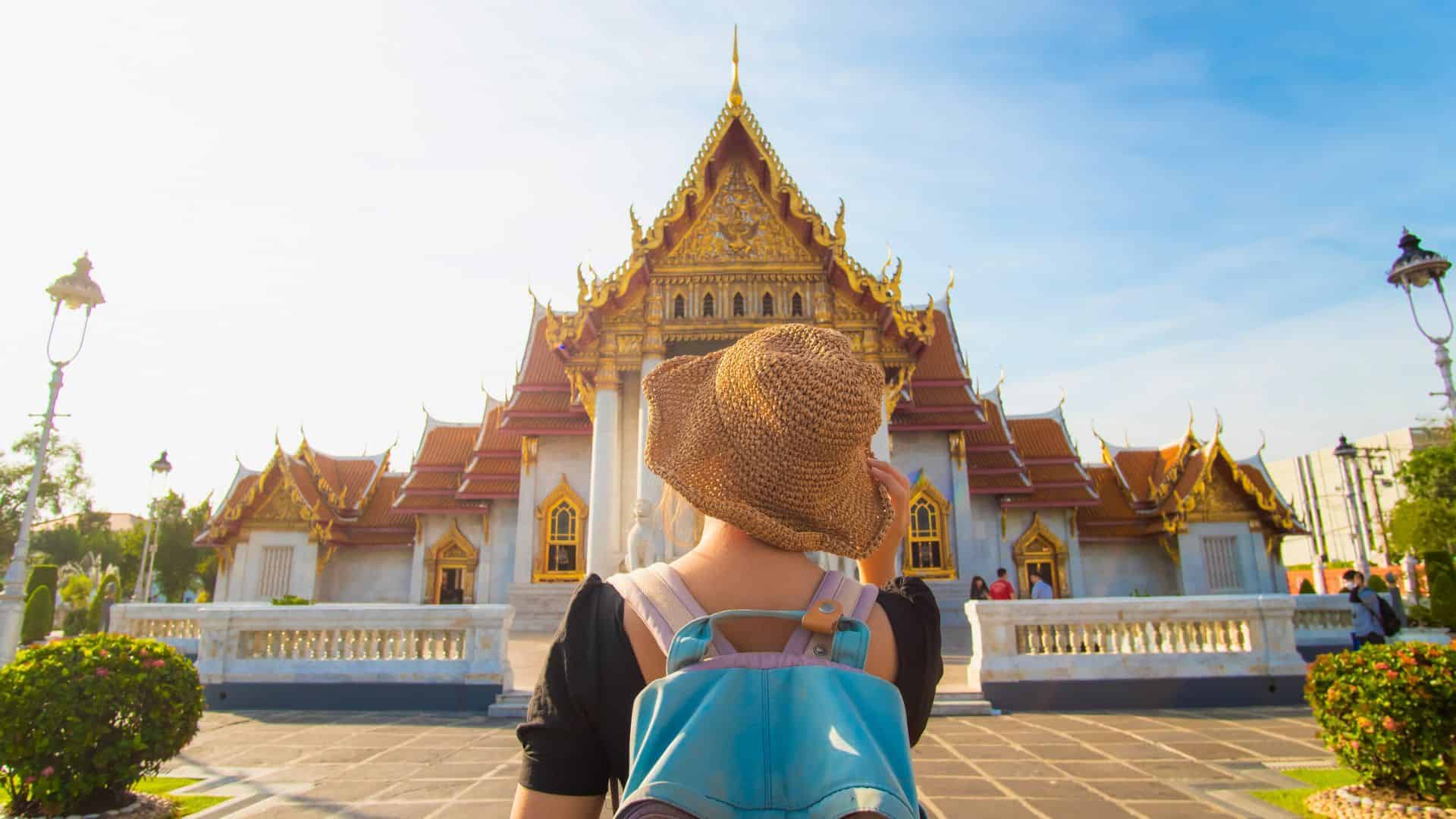
Thailand appears relaxed, yet certain laws are applied with extreme seriousness. The most critical involves respect for the monarchy. Comments, jokes, or online posts perceived as insulting the royal family can lead to long prison sentences. Visitors sometimes violate customs unknowingly, such as touching someone’s head or pointing their feet at religious objects. Dress codes apply in temples, and ignoring them can lead to removal or fines. Drug laws are severe, with harsh penalties even for small quantities. Tourists who overlook these boundaries may face consequences far beyond what they expect.
Germany

Precision and rule‑following shape daily life, catching many visitors off guard. Crossing streets outside designated zones, even when traffic is absent, can result in fines or sharp criticism. Recycling systems are complex, and mistakes are noticed. Quiet hours are enforced in apartment buildings and neighborhoods, limiting music, drilling, or other noise. Public behavior is expected to remain orderly, including standing on the correct side of escalators. Bureaucratic processes are rigid, leaving little flexibility for misunderstandings. Locals may intervene directly when rules are ignored, reinforcing expectations through social pressure as well as official penalties.
Japan
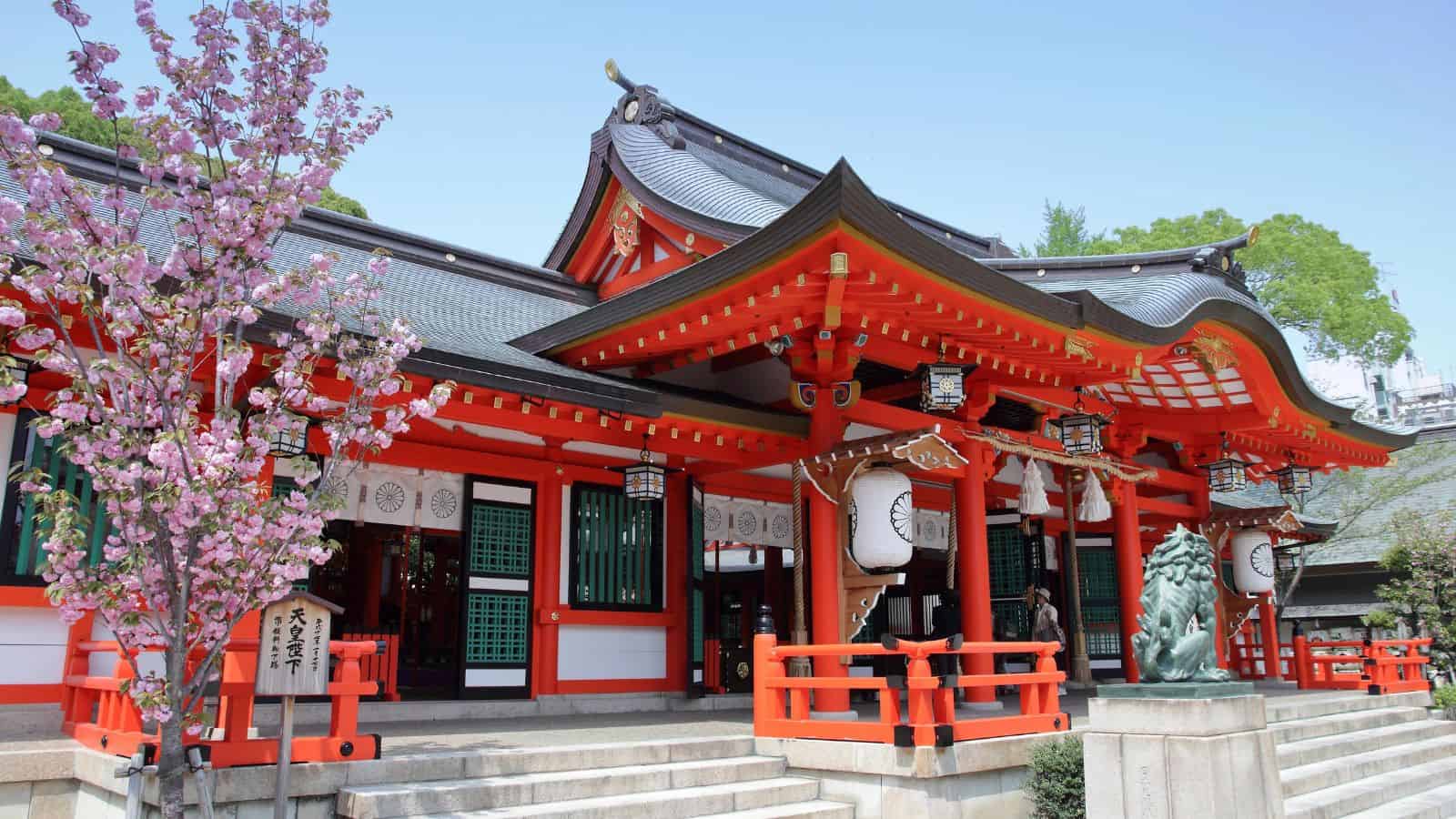
Japan’s social rules are deeply rooted in respect, order, and consideration for others. Visitors sometimes struggle with expectations that are unspoken but strictly followed. Talking loudly on public transport, blocking walkways, or mishandling trash can draw quiet disapproval. Tipping may confuse travelers, as it can cause discomfort rather than appreciation. Photography in temples, shrines, or private spaces may be restricted. Queue discipline is serious, and ignoring it can upset locals. While enforcement is subtle rather than confrontational, repeated missteps can lead to embarrassment or firm correction from staff or authorities.
Switzerland
Want to save this?
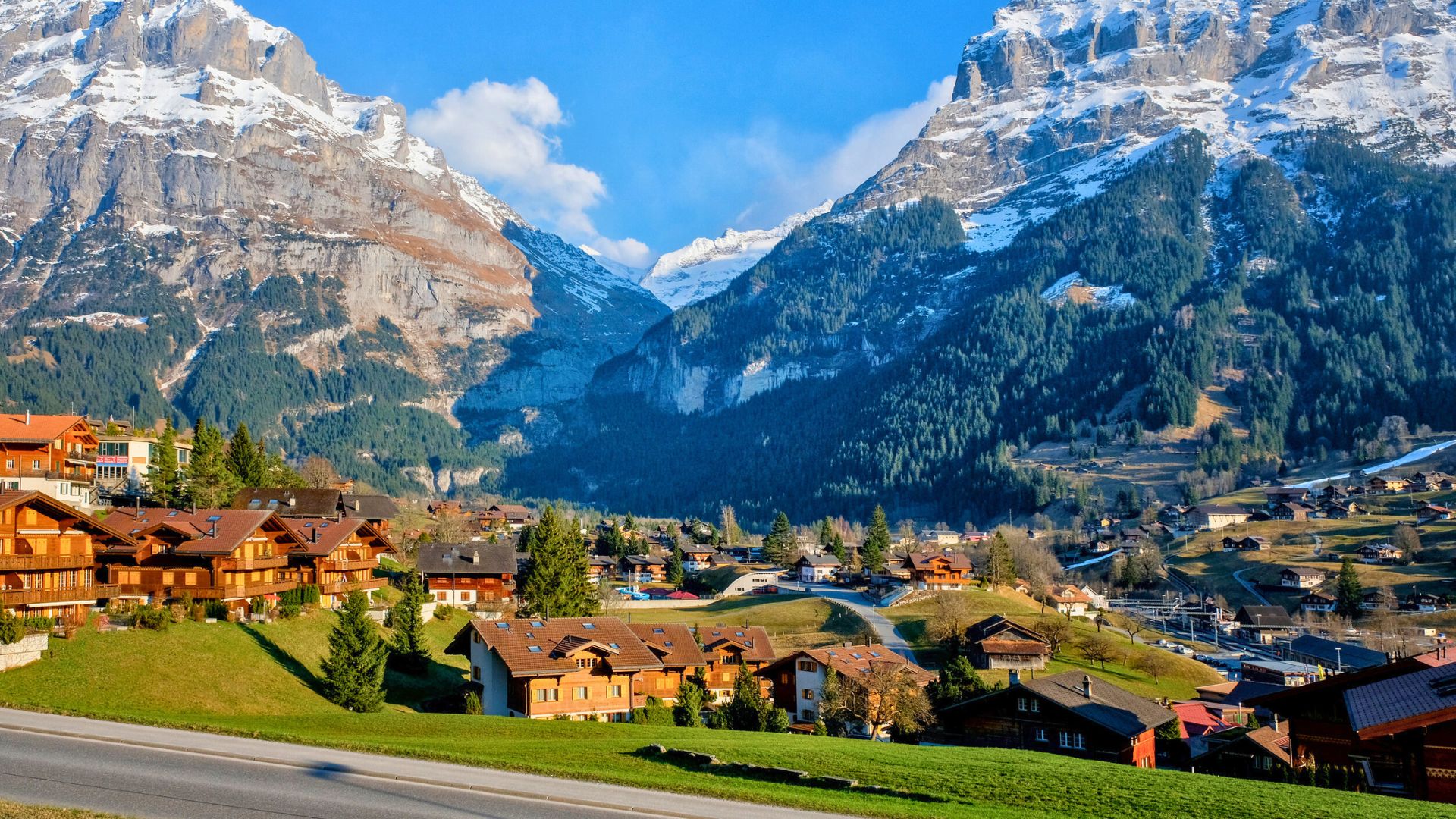
Order and quiet are taken seriously, and visitors often underestimate how closely daily conduct is regulated. Noise restrictions apply during late evenings, early mornings, and Sundays, covering activities such as vacuuming, running laundry machines, or loud conversations on balconies. Recycling rules are detailed, and sorting items incorrectly can draw complaints from neighbors. Jaywalking outside marked crossings may result in fines. Even hiking and camping have regulations that must be followed. Residents are quick to report disturbances, and authorities respond consistently. Travelers expecting relaxed attitudes may find correction swift and unapologetic.
Singapore
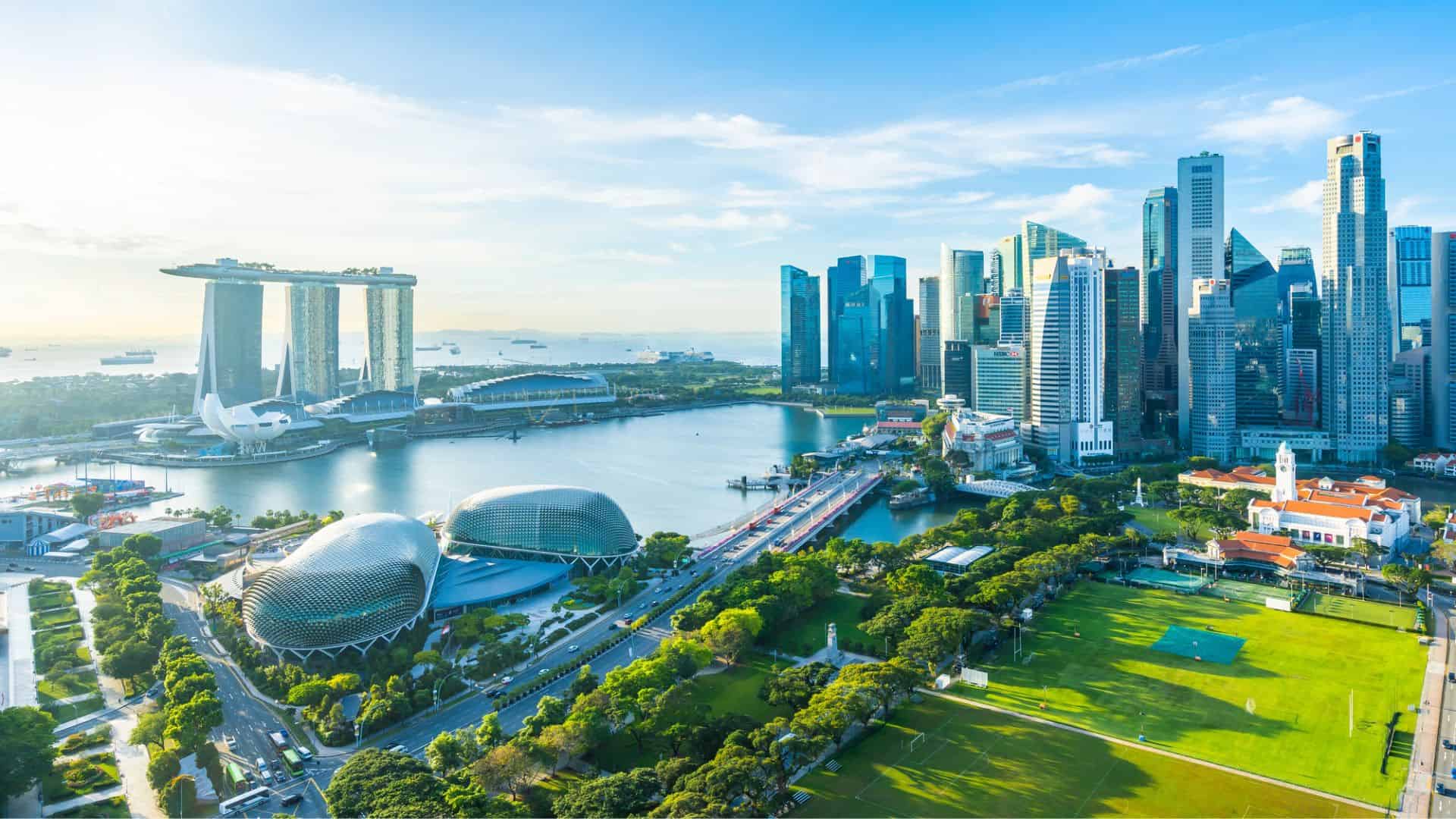
Singapore is known for strict civic discipline, and visitors often learn this quickly. Laws governing cleanliness, public behavior, and transport etiquette are actively enforced with fines that can feel surprising to newcomers. Littering, jaywalking, eating on trains, or smoking outside designated areas may lead to penalties. Even small actions, like forgetting to flush a public toilet, can carry consequences. Surveillance cameras and consistent policing reinforce compliance. Locals expect rules to be followed without debate, and ignorance rarely excuses violations. Travelers who treat regulations casually may face fines within days of arrival.
Indonesia (Bali)

Cultural and religious customs guide behavior, particularly in Bali, where tourism and tradition intersect closely. Visitors sometimes disrespect sacred sites by wearing improper clothing, posing inappropriately, or entering restricted areas. Temple rules are enforced, and violations can result in fines, bans, or public apologies. Drug laws are extremely strict, with severe prison sentences possible. Traffic laws, including helmet requirements, are actively policed. Social media posts showing disrespectful acts have led to deportations. Authorities increasingly monitor tourist conduct, making it clear that local customs are not optional for short‑term visitors.
Qatar
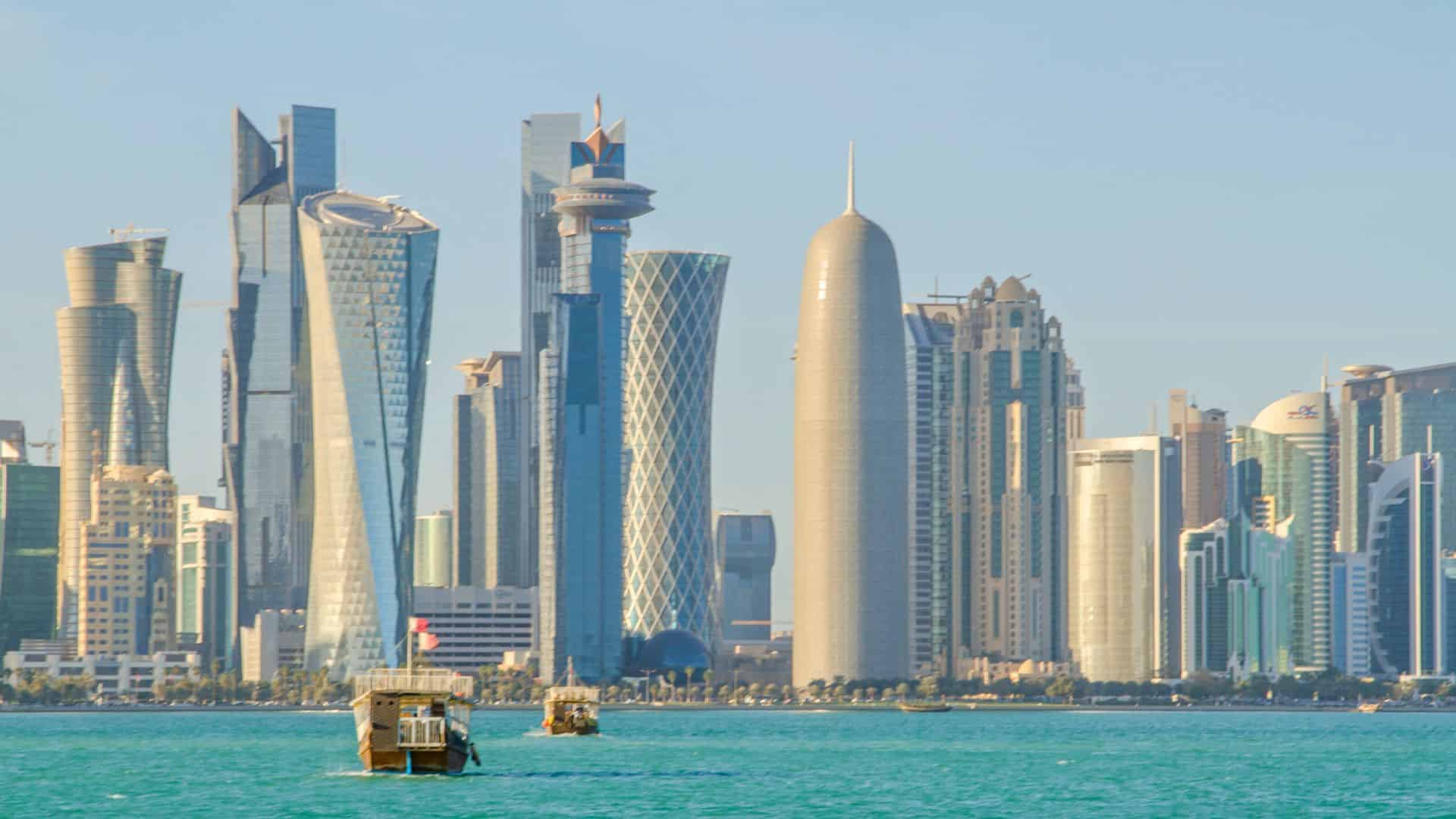
Conservative social standards shape expectations in public spaces, and visitors sometimes misjudge how closely their behavior is observed. Modest dress is required in malls, markets, and government buildings. Alcohol consumption is limited to licensed locations, and public intoxication can result in arrest. Displays of affection may attract unwanted attention from authorities. Offensive language, gestures, or online comments can carry legal consequences. Laws are enforced consistently, particularly during major events. Travelers accustomed to leniency elsewhere may find consequences swift, formal, and difficult to challenge once an infraction is recorded.
Travel Safe, Not Careless
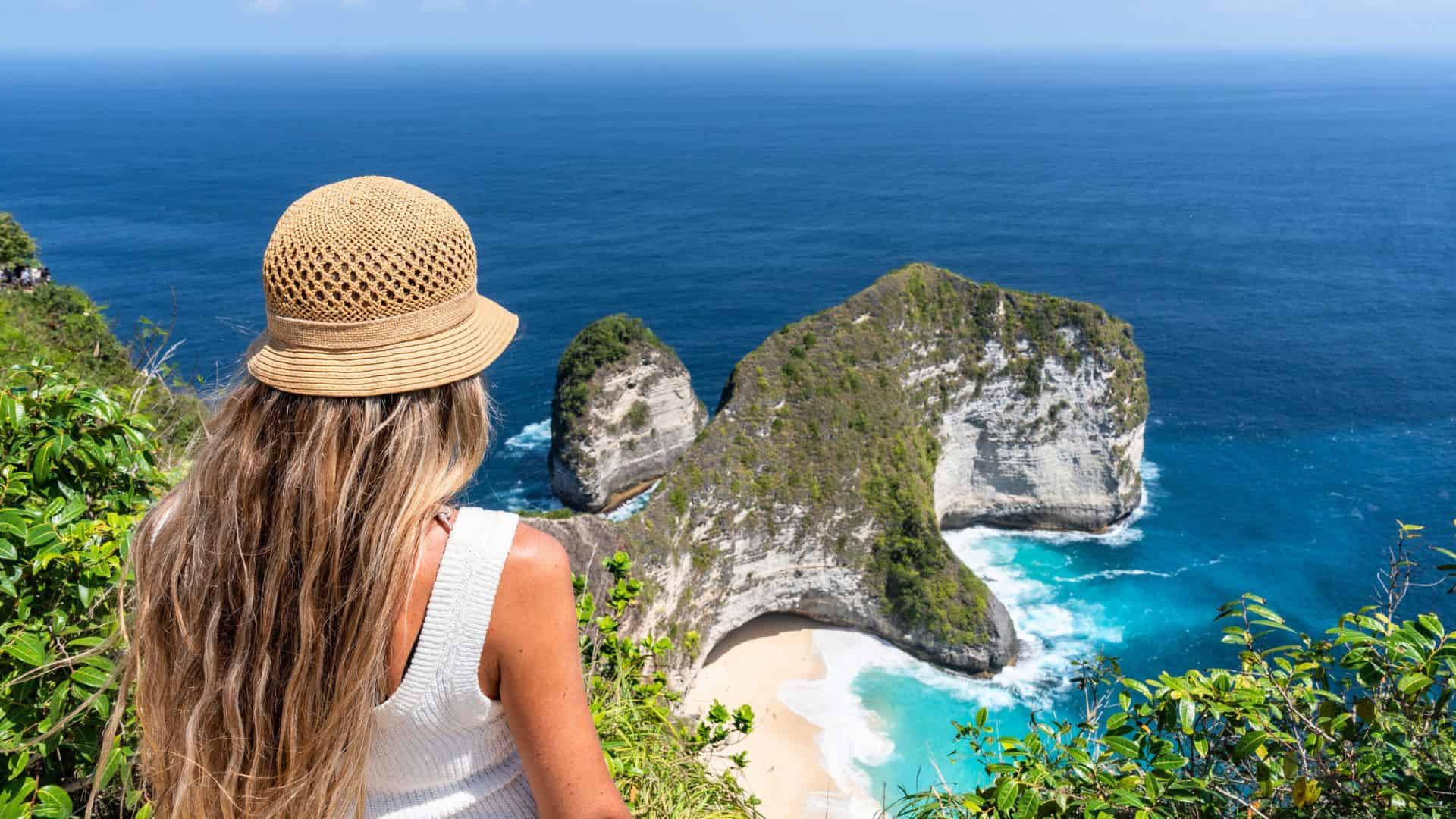
Travel gets easier when you accept one simple truth. Your habits do not travel as well as you do. What feels normal at home can cause problems somewhere else, even when your intentions are good. Rules shape daily life in ways visitors do not always see right away. Missing them can turn a great trip into an awkward or expensive memory. Paying attention early saves stress later.
The smart move is curiosity. Watch how people behave, read signs, and take guidance seriously. Ask questions before assuming anything. This approach keeps trips smooth and helps you move with confidence instead of caution. Learning the rules ahead of time is not about limiting fun. It is about respect and common sense. When you travel with awareness, mistakes become rare, and the experience stays focused on the moments you actually want to remember.
12 Countries With Simple Visa Rules for First-Time Travelers

Traveling abroad for the first time can feel overwhelming, especially when it comes to visas and paperwork. Thankfully, there are several countries with simple visa rules for first-time travelers, making the process much smoother. These destinations make it easy to apply online or even allow visa-free entry for short visits. From tropical getaways to cultural hubs, each place welcomes newcomers with accessible entry requirements and straightforward guidelines, so planning your trip becomes part of the excitement rather than the stress.
Read More Here: 12 Countries With Simple Visa Rules for First-Time Travelers
11 Unwritten Rules Tourists Should Follow in Greece
Greece is known for its history, beaches, and food, but the culture has its own rhythm that visitors may not expect. With these unwritten rules tourists should follow in Greece, everyday moments like ordering coffee, dressing for a church visit, or greeting locals take on added meaning. They reflect traditions that matter deeply to residents and help visitors blend in more respectfully. What feels casual to a traveler—like being late to dinner or skipping formal greetings—can carry a very different impression in Greek society.
Read More Here: 11 Unwritten Rules Tourists Should Follow in Greece