While Canada boasts some of the most beautiful landscapes in the world, certain regions can leave travelers feeling out of place. With their bustling urban centers, high traffic, and overwhelming crowds, these areas can be a lot to handle for those unfamiliar with them. From the crowded streets of major cities to areas with a distinct local culture, some regions may seem harder to navigate for those expecting a peaceful retreat. The fast-paced environment, combined with regional customs and the sheer number of people, can be a shock for first-time visitors.
Here are 10 destinations in Canada that travelers have found difficult to adjust to due to their chaotic atmosphere. If a quieter, more laid-back experience is what you're after, it’s worth considering other, more tranquil regions to visit. Keep reading to explore which spots might be better suited for those seeking a calm and enjoyable trip.

Nunavut (Iqaluit and surrounding communities)
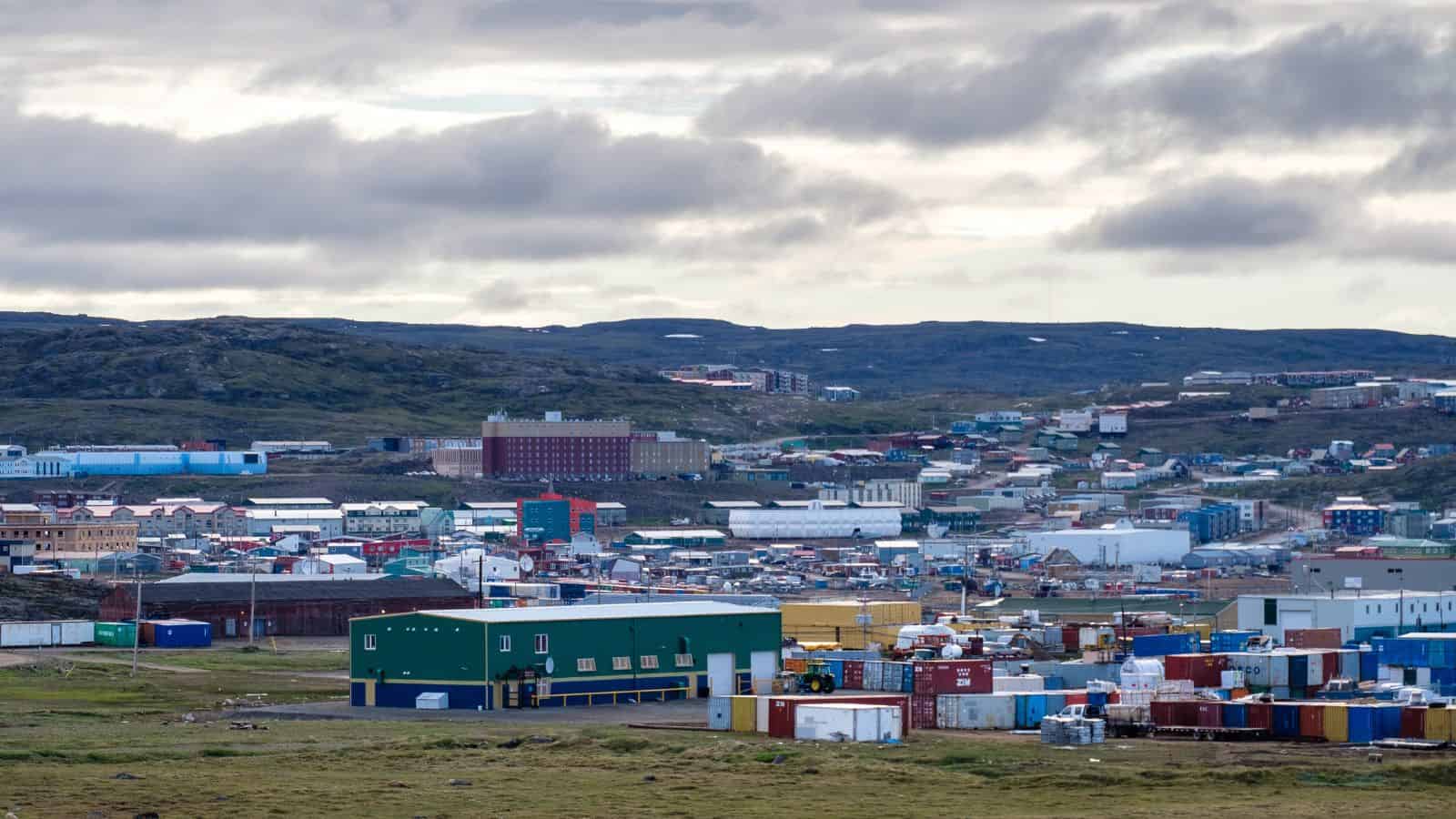
Many visitors feel out of place in Nunavut because the environment, culture, and pace of life differ sharply from what they know. Iqaluit and nearby communities operate on local traditions, weather patterns, and practical routines shaped by northern living. Outsiders may feel unsure how to interact, especially if they are not familiar with Inuit customs or the limited availability of certain goods. The isolation also creates a sense of separation from typical city comforts. While residents are welcoming, travelers often describe a moment of adjustment as they learn how daily life works in a region built around community ties and Arctic conditions.
Northern Quebec (Nunavik)
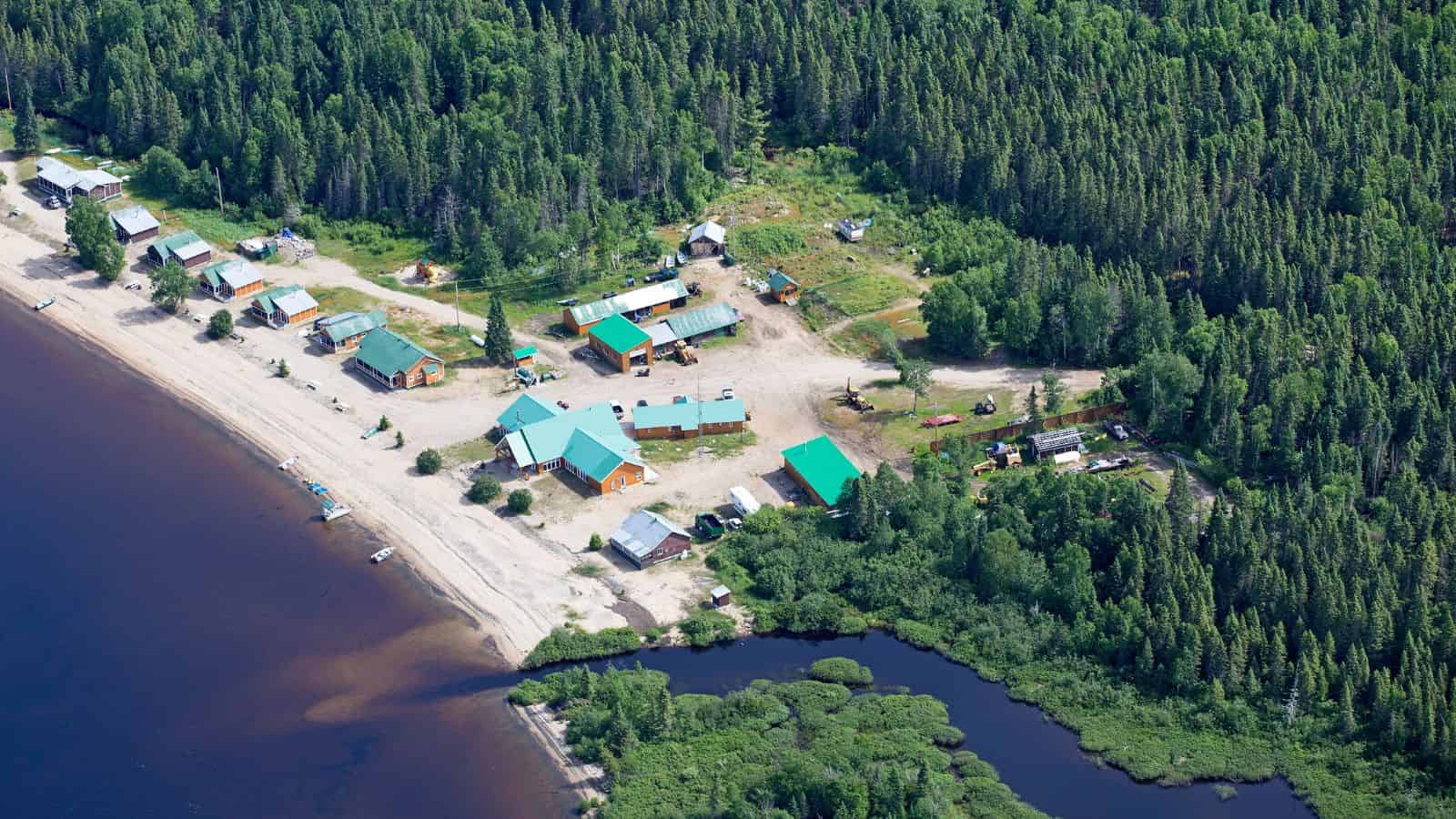
Nunavik can feel unfamiliar to visitors due to its remote location, distinct language use, and strong cultural presence. Many communities are accessible only by air, which creates a sense of separation from the rest of the country. Inuktitut is commonly spoken, and traditions influence daily routines in ways that may surprise newcomers. Visitors sometimes feel like observers rather than participants, especially if they arrive with little understanding of local expectations. Life moves according to weather, hunting seasons, and long-standing customs, which creates a different rhythm than what most travelers are used to. This can make the region feel unfamiliar despite its beauty.
Rural Newfoundland Outports
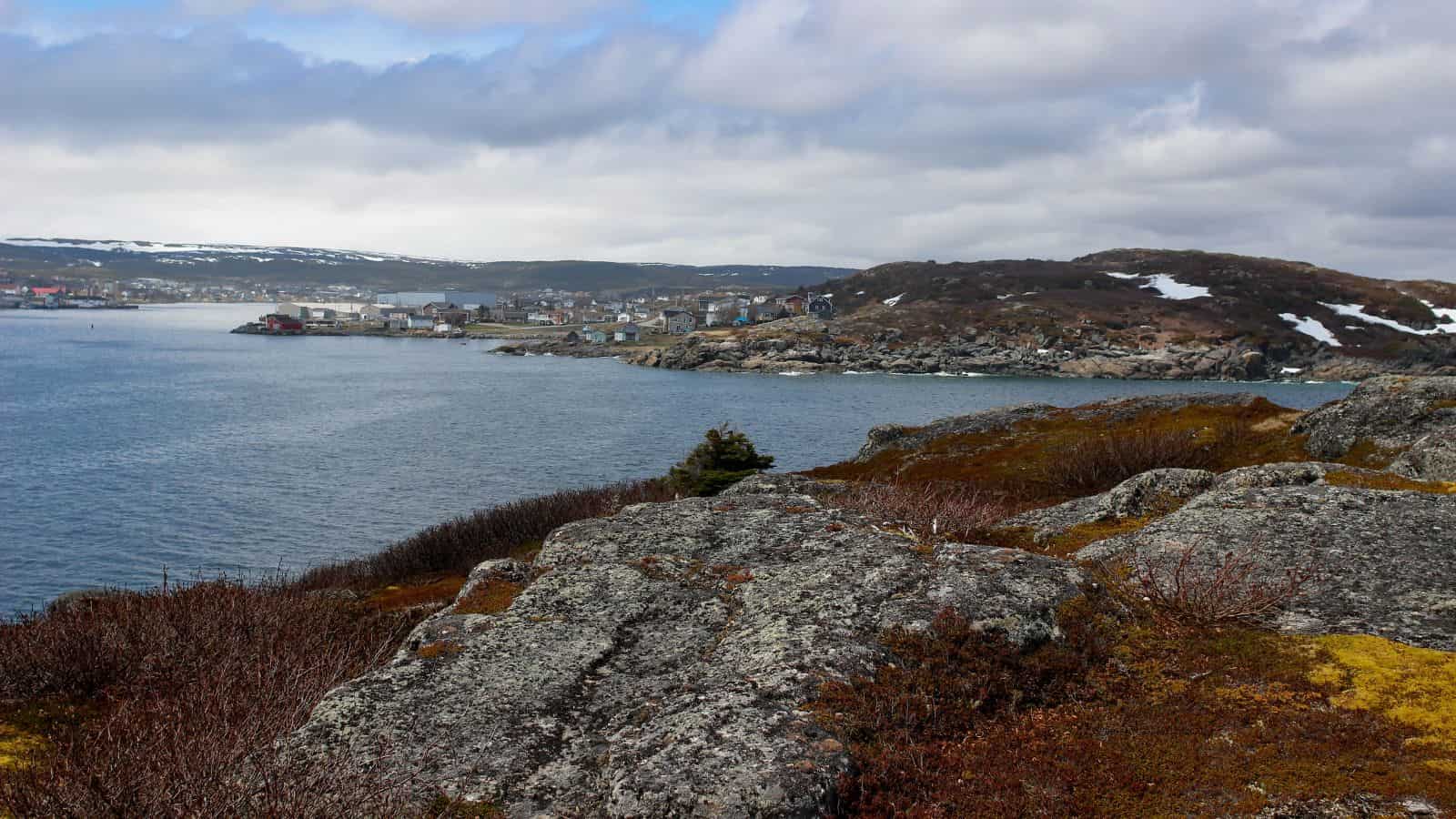
Newfoundland outports are known for close-knit fishing communities where residents often know each other well. Visitors may feel out of place because the lifestyle is shaped by long histories, shared stories, and traditions passed down through generations. The pace is slower, conversations are personal, and community relationships run deep. Outsiders sometimes feel that they stand out simply because everyone notices a new face. While locals are friendly, the quiet environment and strong sense of identity can make travelers feel unsure about how to blend in. Many people find the experience memorable but also slightly disorienting during their first visit.
Northern Saskatchewan Indigenous Communities
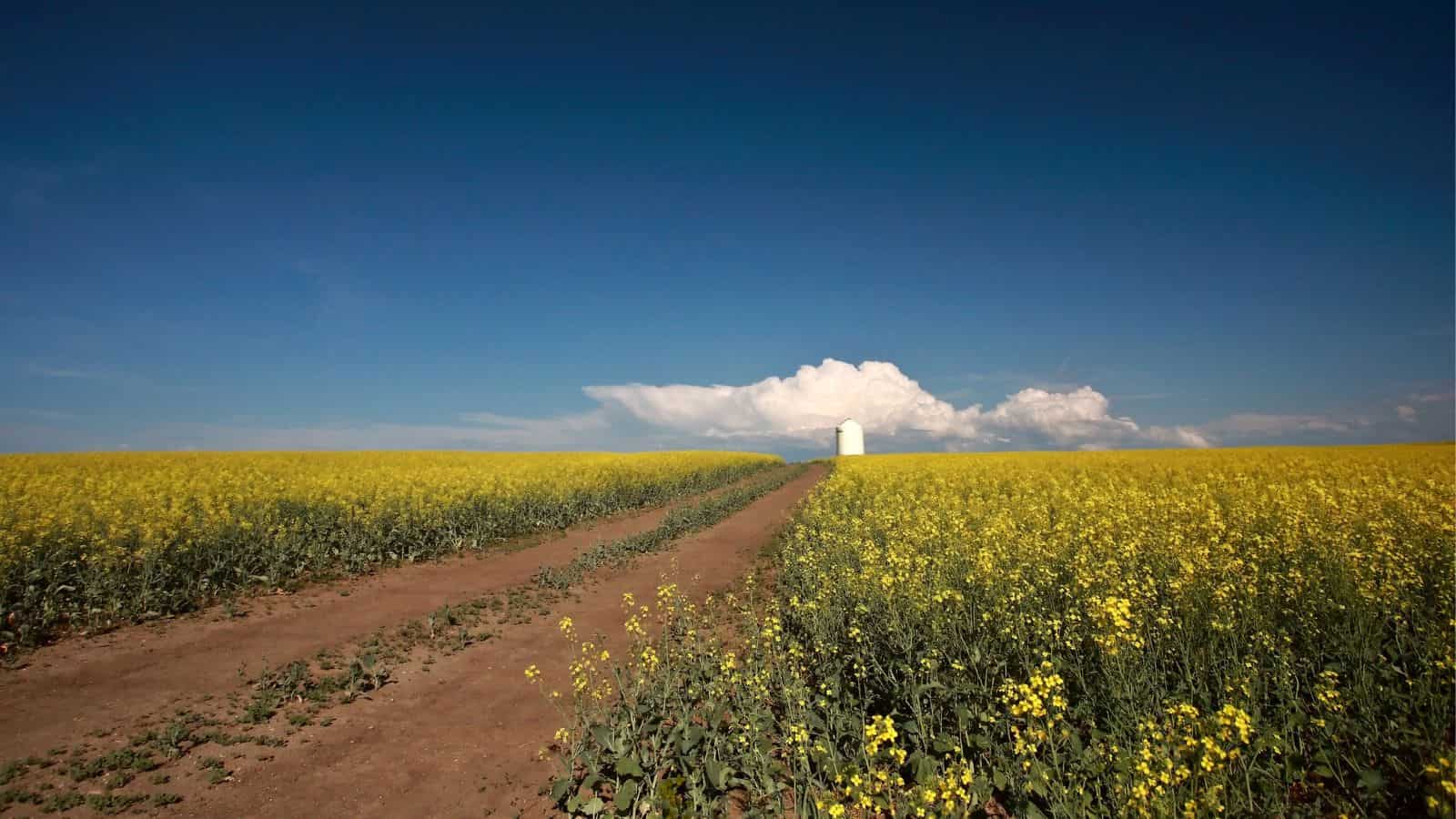
Visitors often feel out of place in northern Saskatchewan’s Indigenous communities because these areas are shaped by cultural practices and community ties that are deeply rooted. Social norms, family structures, and daily routines may differ from what outsiders expect, and newcomers sometimes feel unsure about how to behave respectfully. Many communities prioritize local connections and long-standing relationships, which can make travelers feel like guests rather than part of the flow of daily life. The region’s remote setting also contributes to the feeling, as services and routines are tailored to local needs rather than tourism.
Yukon Small Towns (Outside Whitehorse)
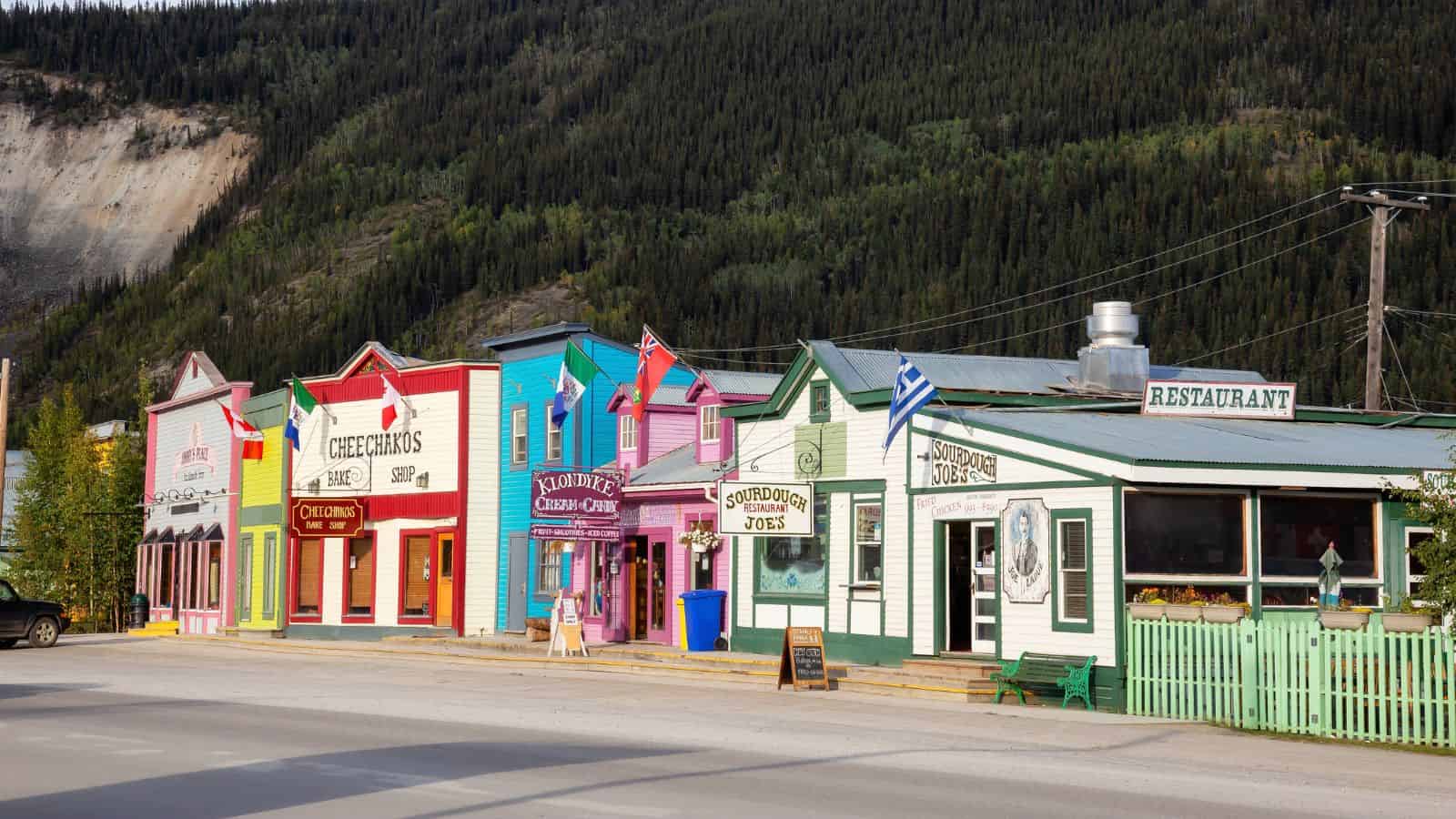
Small towns across the Yukon can feel unfamiliar to visitors who are used to busier urban environments. Populations are small, distances are large, and residents often rely on each other in ways outsiders may not immediately understand. Winter conditions shape much of daily life, and newcomers sometimes feel unsure about local expectations. The quiet streets, tight-knit social circles, and practical routines can leave travelers feeling like they have stepped into a world with its own rules. While people are friendly, the sense of remoteness can create a moment of adjustment for anyone visiting for the first time.
British Columbia Haida Gwaii
Want to save this?
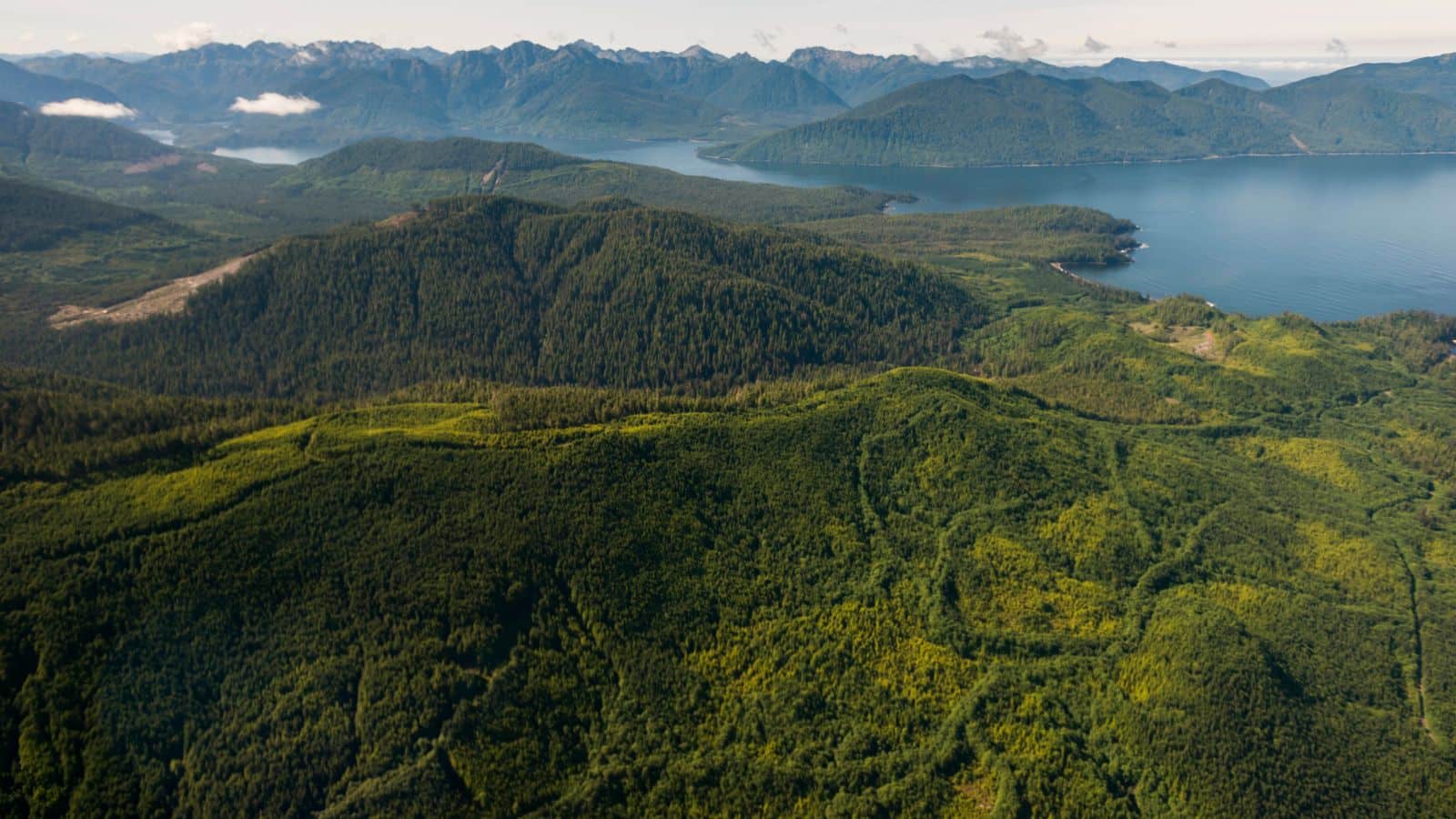
Haida Gwaii carries deep cultural significance, and many visitors feel a sense of responsibility when exploring the region. The communities reflect strong Haida traditions, and the pace of life is guided by respect for the land and sea. Travelers sometimes feel out of place because they recognize they are stepping into a heritage-rich environment where every site has meaning. The quiet atmosphere, slower rhythm, and emphasis on community values can feel unfamiliar to those used to busier destinations. Visitors often describe feeling like respectful guests rather than active participants in daily life, which creates a unique but slightly distant experience.
Cape Breton’s Gaelic Communities
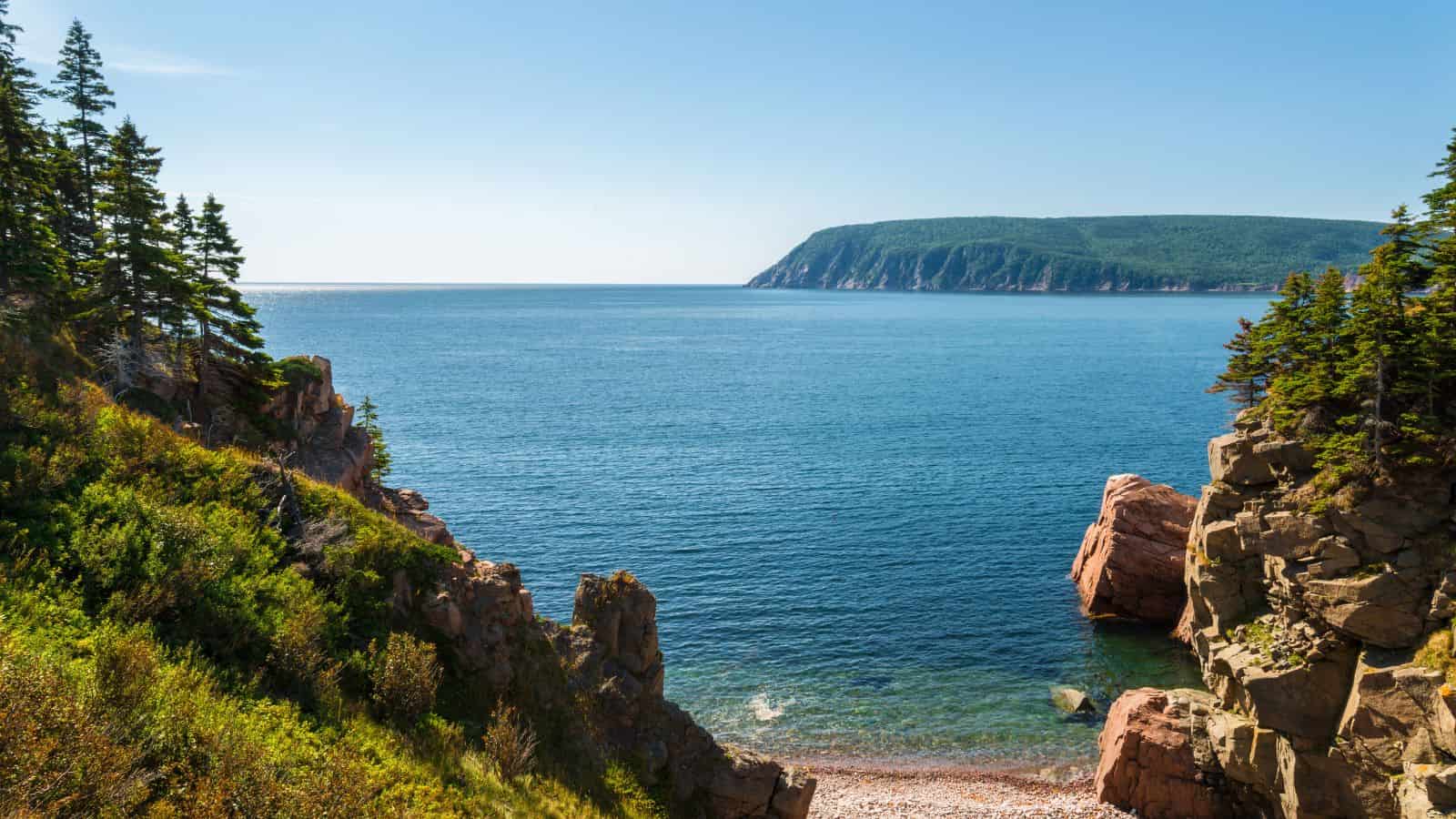
Cape Breton’s Gaelic communities hold tightly to their cultural roots, which can make visitors feel slightly out of place during their first encounter. Music, language, and community gatherings reflect long-standing traditions. Many residents have deep family histories tied to the region, creating strong bonds among locals. Outsiders sometimes feel like they are stepping into a world shaped by a shared past that they do not fully understand. The quiet rural setting also contributes to the feeling, especially during off-season months. While travelers are welcomed, the cultural depth and community closeness can make the region feel unfamiliar at first.
Rural Manitoba Mennonite Towns
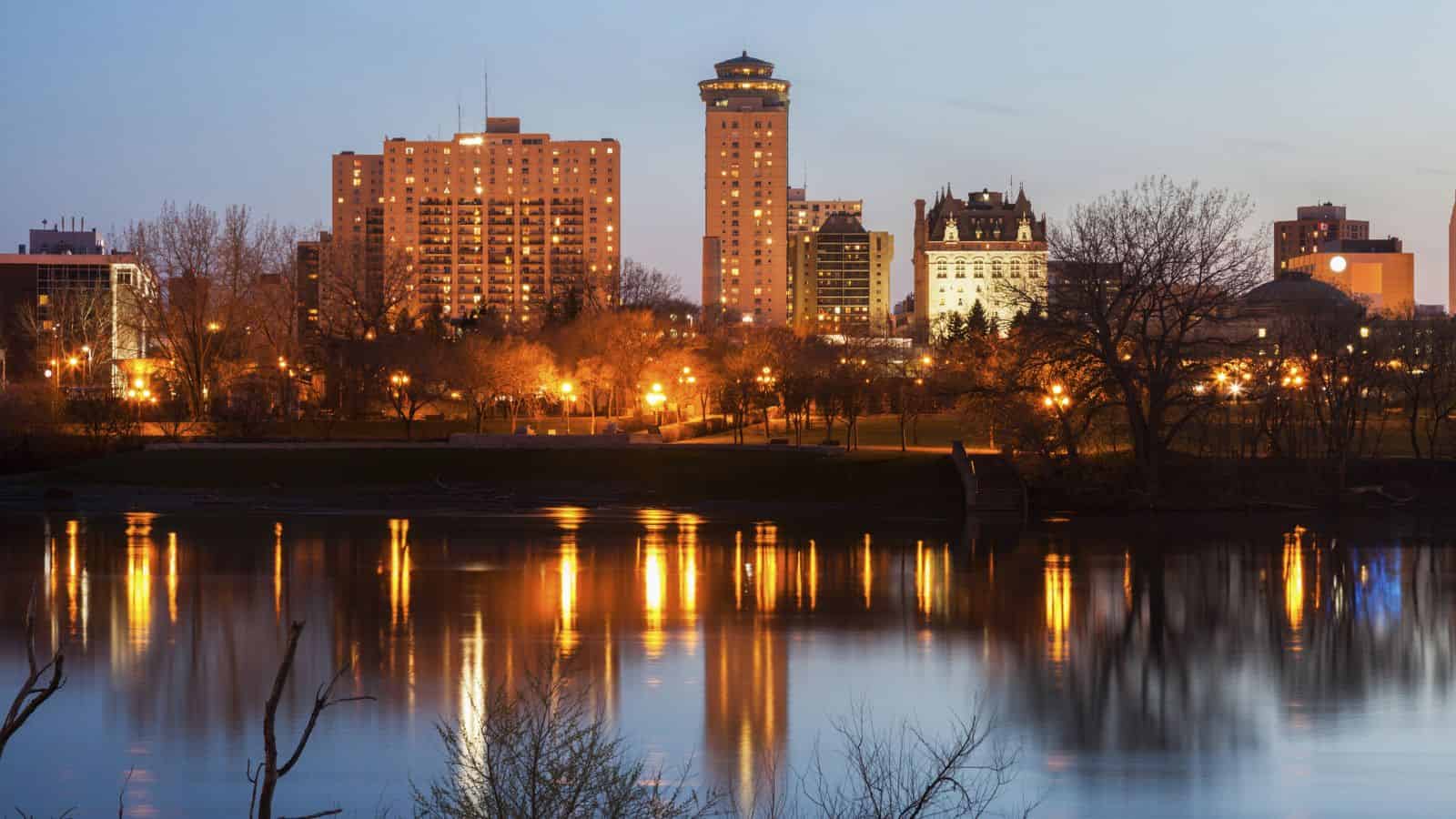
Mennonite towns in rural Manitoba reflect customs and routines shaped by faith, community, and tradition. Visitors sometimes feel unsure about local expectations because the lifestyle emphasizes modesty, structure, and strong relationships among residents. Outsiders may notice differences in daily routines, social activities, or communication styles. The quiet setting and slower pace also contribute to a sense of unfamiliarity. Travelers often describe feeling like temporary observers in a tightly connected community. While people are polite, the emphasis on community values can make newcomers feel slightly out of place when they do not share the same background.
Alberta’s Remote Ranching Regions

Remote ranching regions in Alberta operate on a lifestyle shaped by land, livestock, and long-standing local traditions. Visitors may feel out of place because the communities are small and tightly connected. Many people know each other through generations of ranching families, which creates a strong identity. Outsiders sometimes struggle to understand local routines, especially those tied to ranch work or seasonal demands. The wide-open landscapes, long distances, and quiet evenings can feel unfamiliar to travelers used to more populated areas. Even though locals are welcoming, newcomers often describe feeling like guests in a world built on shared history.
Ontario Cottage Country Hamlets

Small hamlets across Ontario’s cottage country can make visitors feel out of place, especially outside the summer season. These towns are shaped by long-standing residents who have known each other for decades. During quiet months, a newcomer stands out quickly, and the slow rhythm may feel unfamiliar. Local shops, community events, and daily routines reflect a small-town culture that prioritizes familiarity. Travelers often describe feeling like they stepped into a close-knit environment where everyone recognizes one another. While friendly, the region’s tight community atmosphere can leave first-time visitors feeling slightly out of sync.
11 American Cities Known for Their Friendly Vibes

Some places make visitors feel at ease from the moment they arrive, and certain American cities are especially known for their friendly vibes. These destinations stand out for welcoming attitudes, approachable locals, and a sense of openness that makes exploring them more comfortable. Whether it’s a simple smile from a stranger, helpful directions from a passerby, or lively conversations in a neighborhood café, these gestures can turn a trip into something memorable.
Read More Here: 11 American Cities Known for Their Friendly Vibes
13 Countries Where Good Manners Make or Break Your Trip

Planning to travel outside the country? Good manners can greatly impact travel experiences, and there are 13 countries where good manners make or break your trip. Understanding local customs and etiquette is essential for making a positive impression and ensuring a smooth visit. In some cultures, small gestures like saying "please" and "thank you" can go a long way, while in others, specific behaviors may be expected or even required.
Read More Here: 13 Countries Where Good Manners Make or Break Your Trip