Many people think of earthquakes as rare events, but large parts of the country sit much closer to risk than expected. Across the West Coast and beyond, 10 American cities sitting on dangerous fault lines face constant pressure beneath the ground, shaped by shifting plates that never fully rest. These cities are home to millions of people, busy roads, and aging buildings that all feel the effects when the earth moves.
Understanding where these fault lines run helps explain why some places feel shaking more often than others. With these examples, it becomes easier to see how geology connects to daily life, city planning, and safety. Read on to see which cities are most affected and why paying attention to fault lines matters more than many realize.

Los Angeles, California

Los Angeles sits near the San Andreas Fault along with several smaller connected faults that cut through the region. Scientists consider this one of the most closely watched seismic zones in the country because of the city’s size, density, and wide spread of development across hills, valleys, and coastal areas. Even moderate shaking can affect large neighborhoods due to the way the basin amplifies movement. Emergency planners focus heavily on preparation, retrofitting, and public awareness. Visitors sometimes feel surprised by how much of the city’s infrastructure has been shaped by seismic risk. The combination of population growth and active fault lines makes Los Angeles a key city in discussions about future earthquakes.
San Francisco, California

San Francisco’s connection to seismic activity is well known due to its position near both the San Andreas and Hayward faults. The terrain beneath the Bay Area shifts slowly over time, storing energy that can be released suddenly. This history has shaped the city’s building rules, emergency systems, and long-standing awareness campaigns. Neighborhoods built on reclaimed land face additional risks from soil movement. Scientists frequently monitor the region because both major faults run close to populated areas, transit systems, and key infrastructure. For travelers and residents, the combination of steep hills, older buildings, and active faults creates a city where preparation remains important.
Anchorage, Alaska
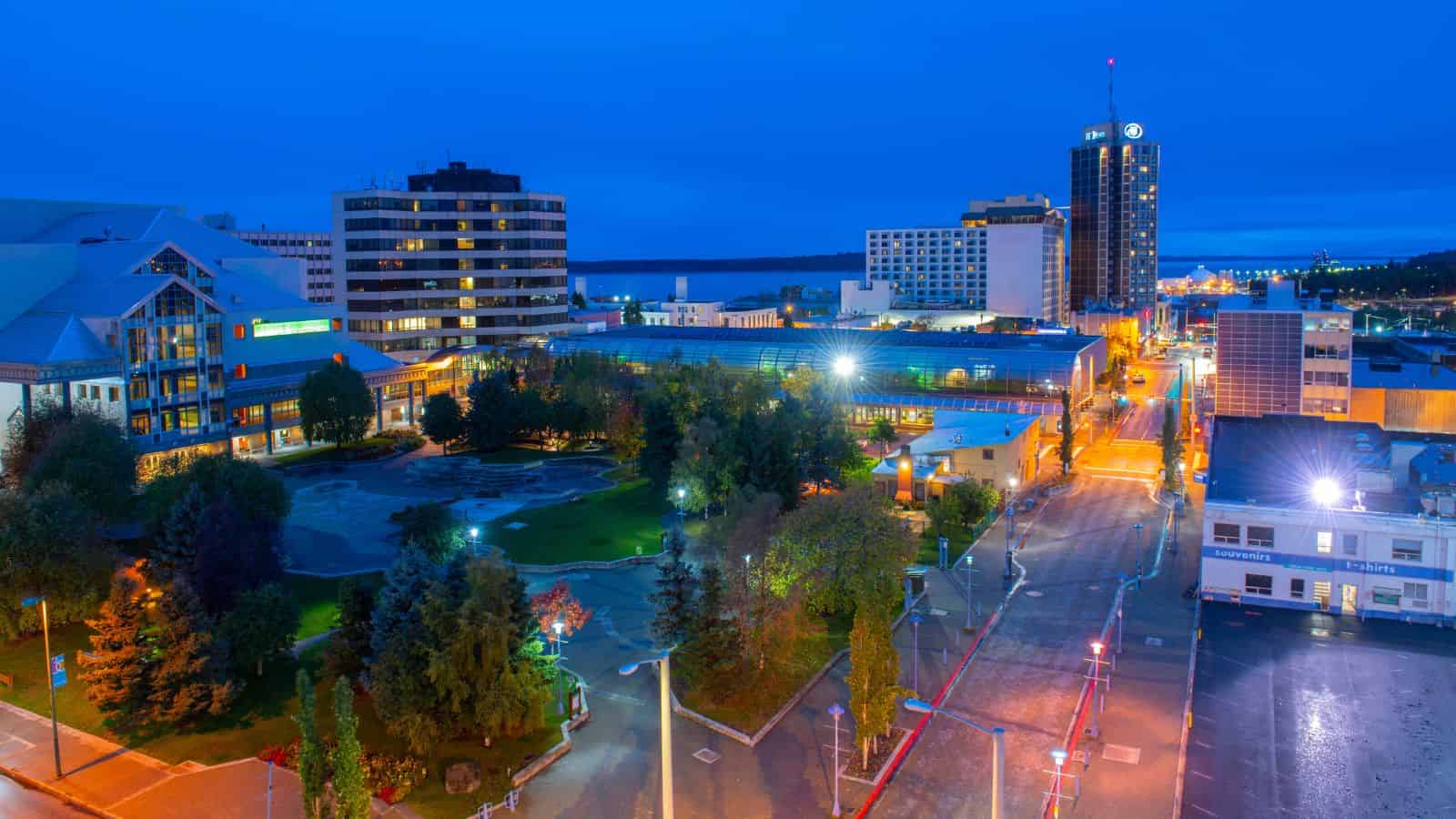
Anchorage lies in one of the most active seismic regions on Earth due to its position near a major plate boundary where the Pacific Plate moves beneath the North American Plate. This movement creates deep, powerful earthquakes that can shift land and affect communities far from the epicenter. Anchorage has experienced several significant events that reshaped local planning, engineering, and emergency procedures. The cold climate and remote geography add extra complexity, making seismic readiness a year-round priority. Scientists study this region closely because it offers insight into how large subduction zone earthquakes behave. Anchorage remains one of the most monitored cities for seismic activity in the United States.
Seattle, Washington

Seattle sits near the Cascadia Subduction Zone, one of the country’s most studied seismic areas. Several urban faults also run directly beneath or near the city, increasing the potential for strong shaking. The landscape includes hills, waterways, and reclaimed land that can respond differently during an earthquake. This has encouraged the development of strict building guidelines and expanded emergency planning at both city and state levels. Scientists continue to research Cascadia because it has the potential to produce very large earthquakes. Seattle’s mix of dense neighborhoods, bridges, and coastal infrastructure makes preparation essential for both residents and visitors.
Portland, Oregon

Portland is also positioned near the Cascadia Subduction Zone, along with several smaller faults that cross the region. The city’s proximity to volcanic mountains and shifting geology makes it part of a broader seismic landscape that scientists monitor continually. Planners focus on reinforcing older structures and updating emergency systems to improve readiness for future events. The Willamette Valley’s soil conditions can amplify shaking, which raises concern for certain neighborhoods and industrial zones. Visitors often notice how local agencies promote awareness and preparedness. Portland’s location, combined with its expanding population, keeps seismic safety at the front of many long-term planning efforts.
Salt Lake City, Utah
Want to save this?
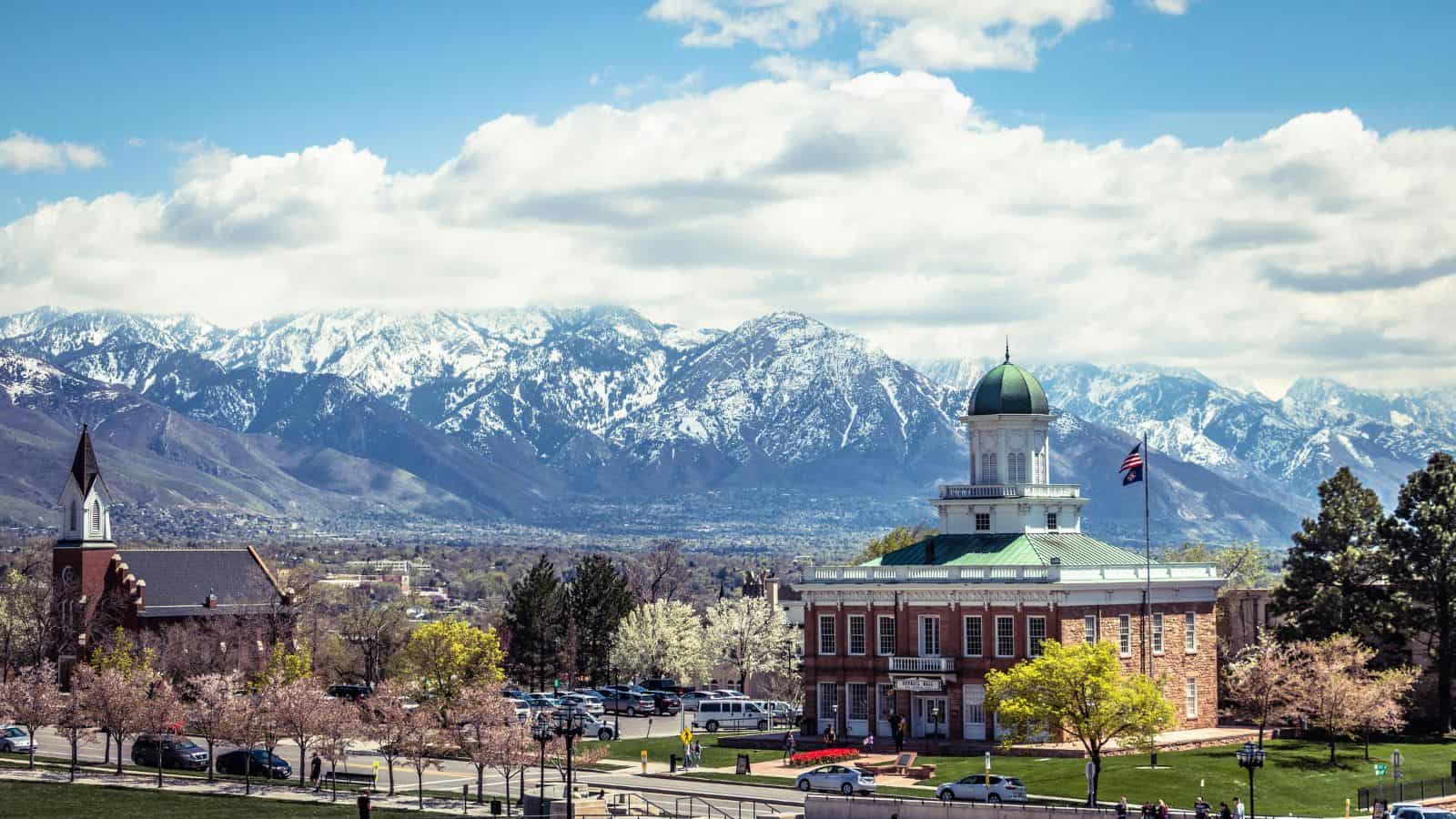
Salt Lake City sits along the Wasatch Fault, one of the most studied intraplate faults in the United States. This fault stretches for hundreds of miles and passes close to densely populated neighborhoods, making it a major concern for planners and scientists. The region has a record of producing large earthquakes in the past, and experts believe future events are likely. The city’s mix of older buildings, hillside development, and soft soils in some areas increases potential risk. Salt Lake City continues to invest in retrofitting projects, updated building codes, and public education programs. The city’s location near active geological structures keeps earthquake awareness a year-round priority.
Memphis, Tennessee

Memphis lies near the New Madrid Seismic Zone, a region known for a series of powerful earthquakes in the early 1800s. Although the area is quieter today, scientists warn that the potential for significant future earthquakes remains. Much of Memphis sits on soft sediment, which can amplify shaking and increase damage. Many older buildings and bridges were constructed before modern standards existed, raising concerns about resilience during a major event. Regional emergency agencies work to improve readiness through drills, retrofits, and public education. Travelers are often surprised to learn that Memphis is part of one of the most closely monitored seismic zones in the central United States.
St. Louis, Missouri

St. Louis also sits within reach of the New Madrid Seismic Zone, making it another central U.S. city with notable seismic risk. Although strong earthquakes are infrequent, the region’s history shows that major events can cause widespread effects across several states. Much of St. Louis has older infrastructure that predates current engineering practices, and scientists study how the city’s soil types might respond to intense shaking. Emergency planners work with local communities to reinforce vulnerable structures and improve awareness. For many residents and visitors, St. Louis’s connection to seismic activity is unexpected, but it remains an important consideration for long-term planning.
Charleston, South Carolina

Charleston is known for a major earthquake that struck in 1886, causing widespread damage across the region. The city still sits near active fault structures, and scientists continue to study how these faults behave. Charleston’s older buildings, historic districts, and coastal setting add complexity to seismic planning. Efforts to strengthen structures and update building practices are ongoing. Although the region does not experience frequent strong earthquakes, the potential impact of a future event remains significant. Visitors often learn about the 1886 earthquake while touring the city, which highlights Charleston’s ongoing relationship with seismic preparedness and geological research.
Reno, Nevada
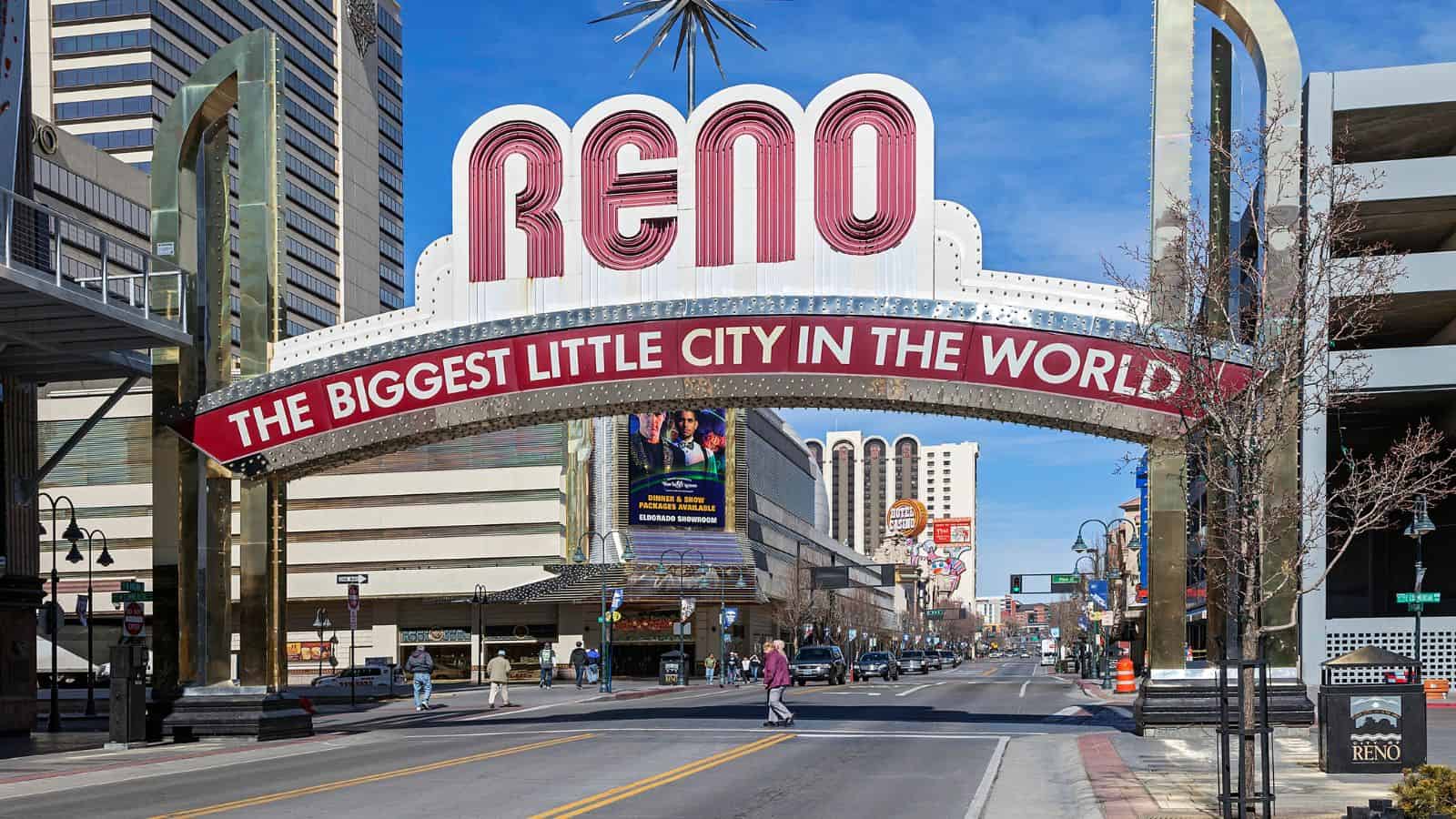
Reno lies within the Basin and Range Province, an area marked by numerous active faults that continue to shape the region’s landscape. Earthquakes of varying sizes occur regularly, reminding residents of the constant movement below the surface. The nearby mountains and valleys show evidence of ongoing geological activity, and scientists closely monitor these changes. Reno’s expanding population and development increase the importance of seismic readiness. Local agencies focus on public education, structural reinforcement, and monitoring technology. Travelers often notice signs and information about earthquake preparedness throughout the city, reflecting its location in a dynamic seismic environment.
10 Places in North America You Don’t Want to Be In During a Power Outage

Some locations are harder to handle when the lights go out, and there are places in North America you don’t want to be during a power outage. In these areas, extreme weather, dense populations, or fragile infrastructure can make blackouts more dangerous and disruptive. From sweltering cities where air conditioning is critical to remote regions where access to supplies is limited, a loss of electricity can quickly turn from inconvenient to hazardous.
Read More Here: 10 Places in North America You Don’t Want to Be In During a Power Outage
10 Earthquake Hotspots in America You Might Be Living In

Earthquakes are often associated with places like California or Alaska, but the reality is that seismic activity can happen much closer to home. In fact, several regions across the United States are vulnerable to earthquakes, with some areas more prone to significant shaking than others. These earthquake hotspots are often located near fault lines, where the Earth’s tectonic plates meet. While some places experience tremors frequently, others are at risk of more severe seismic events without frequent warning.
Read More Here: 10 Earthquake Hotspots in America You Might Be Living In